Repositioning voyages move ships between seasonal markets. How they work, why fares are often lower per night, the trade-offs, and four 2027 crossings with dates.
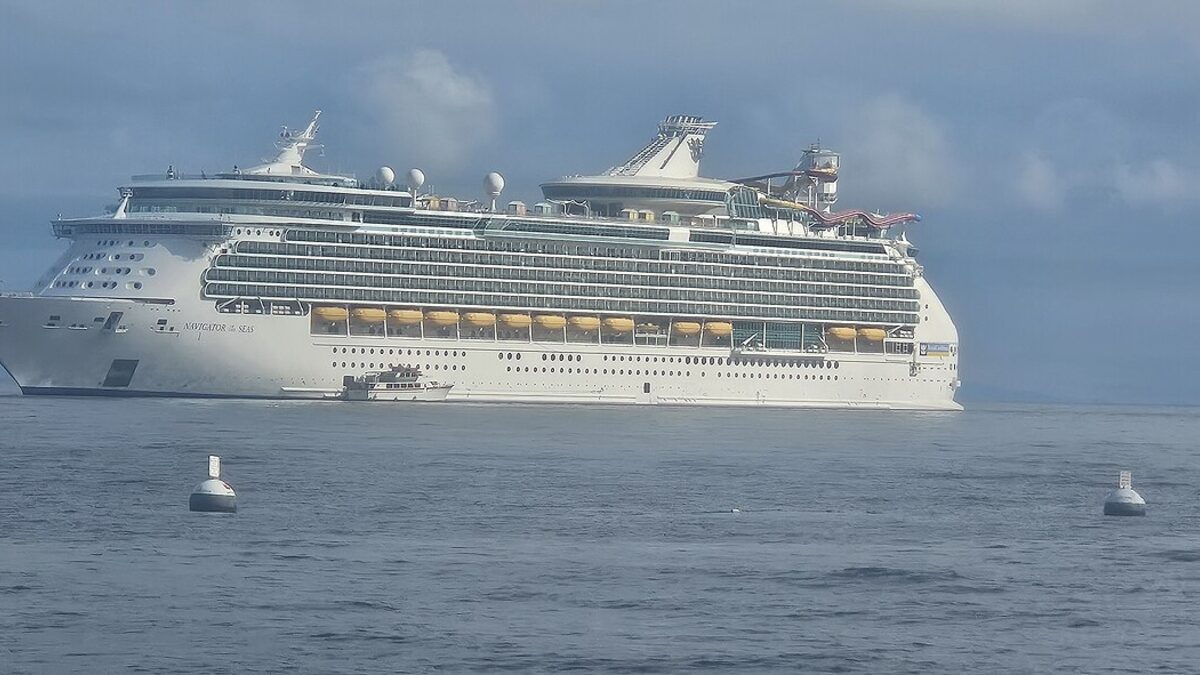
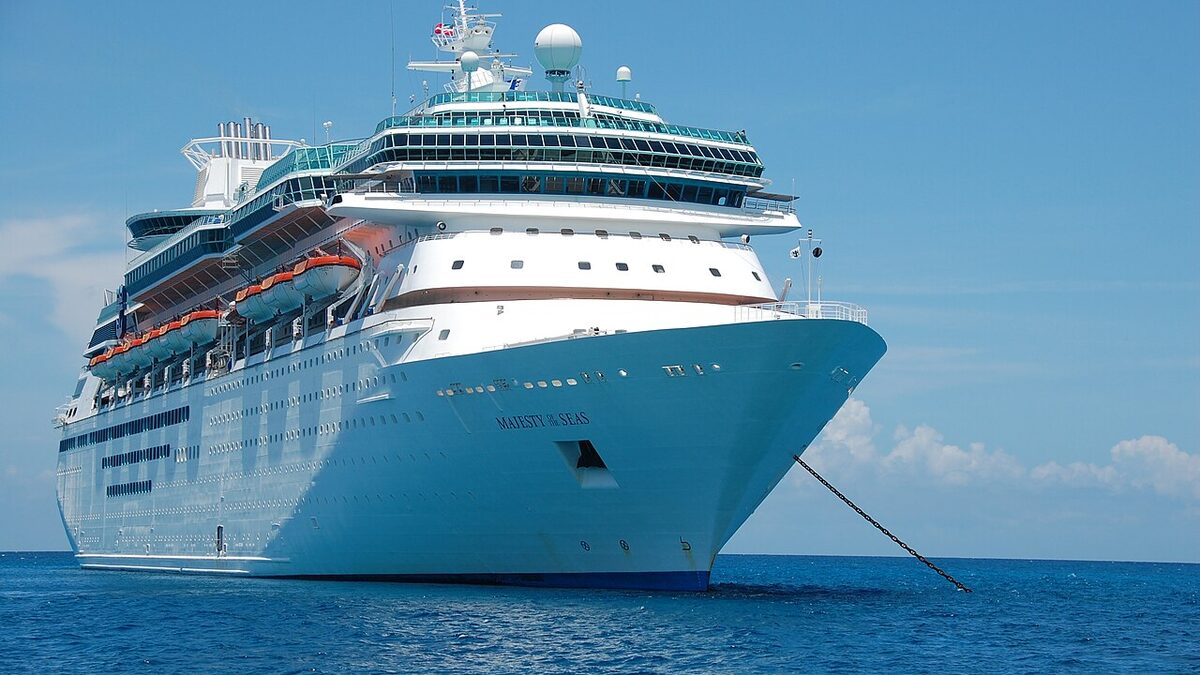
Cover image: A cruise ship at sea (file photo) — photo by Penny Higgins from Williamson, NY, USA, CC BY-SA 2.0, via Wikimedia Commons.
A repositioning cruise is a one-way voyage that moves a ship between seasonal markets: Florida to the Mediterranean in spring, Alaska to Asia or Australia in autumn, and back again. The line has to move the ship anyway, so it sells the trip, and because these voyages carry more sea days and sail outside peak season, Norwegian Cruise Line says they often cost less per night than a standard round trip.
The catch is logistics. The voyage often ends on another continent, after nine to 17 days at sea on the four 2027 crossings we checked, so the client needs one-way air, extra hotel nights and plenty of annual leave. For sellers that means more to book. For ground handlers at the arrival port, it means a shipload of guests needing onward travel on the same morning.
Last checked: 1 November 2026.
What is a repositioning cruise and why do ships move?
Ships follow the weather. NCL describes a ship moving "from one region to another to match seasonal travel demand", because destinations such as Alaska in summer and the Caribbean in winter are tied to the climate. A ship that runs Caribbean loops from a US port in winter may spend the summer in the Mediterranean, crossing the Atlantic in between.
The crossing happens whether or not anyone buys a ticket.
That is where the business case starts: rather than move the ship empty, the line sells the move. NCL says these transitions typically come once or twice a year and often fall in spring or autumn. They usually run one way between two different ports, which is the defining difference from a standard round trip.
When and where do these voyages sail?
The main corridors are well worn. NCL's featured one-way routes include transatlantic crossings between Florida and Europe, Panama Canal voyages between California and Florida, Pacific Coast runs between California and Canada, and transpacific trips between North American and Asian ports.
The Pacific is busy in autumn 2027. On Royal Caribbean's published schedule, Quantum of the Seas leaves Seattle for Tokyo (Yokohama) on 27 September after a summer of Alaska sailings, and Voyager of the Seas leaves Seattle for Brisbane on 1 October. Spring brings the Atlantic flow towards Europe: the Icon-class Legend of the Seas leaves Fort Lauderdale for Barcelona on 25 April 2027.
The Europe-to-Gulf winter swing is the corridor under pressure. Explora Journeys, MSC Group's luxury brand, cancelled its entire 2027-28 Arabian Gulf and Red Sea programme in August, citing the situation in the region, as we reported when Explora pulled its Middle East season. When we checked on 1 November 2026, neither Royal Caribbean's nor Celebrity Cruises' published itinerary lists included a Gulf departure.
Which repositioning voyages are scheduled for 2026-27?
Navigator of the Seas is the live example. The 3,348-passenger ship had sailed from Los Angeles since late 2021, Cruise Industry News reported, and in early October it left on a 15-night Pacific crossing to Tokyo, including calls at Hakodate, Muroran and Shimizu. An 11-night voyage via Japan, South Korea, China and Vietnam then took it on to Singapore, where it began two- to ten-night cruises from the Marina Bay Cruise Center in late October.
It is not staying for good. Royal Caribbean had planned to bring the ship back to Los Angeles for summer 2027; it will now sail from Yokohama and Singapore until October 2027, then return to California for a winter of Mexican Riviera and Baja cruises, according to Cruise Industry News. Quantum of the Seas follows it into Singapore from October 2027, as covered in our Royal Caribbean third-quarter results report.
Four of the line's 2027 crossings show the pattern, as listed on 1 November 2026:
| Ship | Route | Dates | Nights | Sea days | Seasonal move |
|---|---|---|---|---|---|
| Legend of the Seas | Fort Lauderdale to Barcelona | 25 April to 9 May 2027 | 14 | 10 | Caribbean winter to Mediterranean summer |
| Quantum of the Seas | Seattle to Tokyo (Yokohama) | 27 September to 12 October 2027 | 14 | 9 | Alaska to Asia |
| Voyager of the Seas | Seattle to Brisbane | 1 to 27 October 2027 | 25 | 17 | Alaska to Australia |
| Navigator of the Seas | Tokyo (Yokohama) to Los Angeles | 27 October to 12 November 2027 | 17 | 12 | Asia back to the US West Coast |
Source: Royal Caribbean itinerary pages, as of 1 November 2026. Sea days are our count from each day-by-day schedule (days on board minus port days). On the westbound Quantum and Voyager crossings, Royal Caribbean's "days at sea" labels add up to one more, because they include the calendar date skipped at the International Date Line. Each page showed a single departure date.
Why are the fares lower per night?
The lines' own explanation is about demand. NCL says the fares often cost less per night "because they include more sea days and operate outside peak season".
Put plainly, two weeks or more with few ports, sold outside the peak months, is a harder product to sell at full price, and lines price it that way.
Supply matters as much. Most of a ship's costs are fixed once it sails, as our explainer on how cruise lines make money sets out, so an unsold cabin saves the line almost nothing and forfeits the onboard spending its guests would have added.
That spending is large. In the nine months to 30 September 2026, Royal Caribbean Group booked $4.63 billion of onboard and other revenue out of $14.88 billion in total, about 31 per cent, on our calculation from its third-quarter results. A discounted crossing still puts guests on board for two weeks or more, with every bar, restaurant and Wi-Fi package open.
Where ships sit also moves the numbers: the same results, published on 27 October, named "deployment mix" alongside demand and dry-dock timing among the drivers of the net yield growth it expects in the fourth quarter of 2026.
No line publishes a standard repositioning discount. Treat "cheaper per night" as a pattern to test against the round-trip fare on the same ship, not as a rule.
What are the trade-offs, and what should sellers plan for?
Sea days come first. On the four crossings in the table they run from nine sea days in 14 nights on Quantum to 17 in 25 nights on Voyager, and NCL's own FAQ concedes that one-way voyages typically visit fewer ports.
Then the dates. Quantum leaves Seattle on 27 September and docks in Yokohama on 12 October, 15 calendar days apart, yet sells as 14 nights, because the clock jumps 24 hours ahead when the ship crosses the International Date Line westbound (on day 7, Royal Caribbean's itinerary notes). Navigator's eastbound crossing works the other way: 27 October to 12 November looks like 16 nights, but the ship lives one date twice, so it is 17. Count from the line's schedule when booking a pre-cruise hotel or the flight home.
Daily charges do not shrink with the fare. Royal Caribbean applies gratuities of $18.50 (US dollars) per guest per day in standard cabins and $21 in suites; guests can prepay, adjust or remove them. Over Navigator's 17 nights, that is about $315 per guest if charged for each night ($18.50 x 17 = $314.50).
The flight home is the other variable. The cruise ends on a different continent from where it began, so price the one-way or open-jaw air before quoting the cruise as good value.
Each crossing in the table has a single departure date, and NCL advises booking early because these voyages happen only when a ship changes base. For hotels, transfer firms and tour operators at the arrival port, that date is fixed many months ahead, so the arrival of a shipload of one-way guests is easy to plan around.
Frequently asked questions
Are repositioning cruises cheaper?
Often, per night. Norwegian Cruise Line says they often cost less per night because they include more sea days and sail outside peak season. The ship has to move whatever the line sells, but there is no standard discount, so compare the per-night fare with a round trip on the same ship, then add the one-way flight home and the daily charges before deciding.
When do repositioning voyages happen?
Mostly in spring and autumn, when ships switch between seasonal bases. Atlantic crossings towards Europe run in spring, such as Legend of the Seas leaving Fort Lauderdale on 25 April 2027. Alaska ships head for Asia and Australia in late September and October, as Quantum of the Seas and Voyager of the Seas do in 2027.
How many sea days does an ocean crossing have?
Expect a long run of them. On Royal Caribbean's 2027 schedule, Legend of the Seas has 10 sea days in its 14 nights from Fort Lauderdale to Barcelona, Navigator of the Seas 12 in 17 nights from Yokohama to Los Angeles, and Voyager of the Seas 17 in 25 nights from Seattle to Brisbane, on our count from the line's day-by-day schedules.
Where is Navigator of the Seas sailing in 2026-27?
In Asia. After about five years based in Los Angeles, the 3,348-passenger ship crossed the Pacific in October 2026 and now sails from Singapore and Yokohama until October 2027, Cruise Industry News reported. It returns to Los Angeles on a 17-night crossing leaving Yokohama on 27 October 2027, and Quantum of the Seas follows it into Singapore.
Sources
- Norwegian Cruise Line, travel blog guide to one-way repositioning voyages
- Royal Caribbean, 14-night Spanish transatlantic from Fort Lauderdale on Legend of the Seas
- Royal Caribbean, 14-night Seattle to Tokyo on Quantum of the Seas
- Royal Caribbean, 25-night transpacific from Seattle on Voyager of the Seas
- Royal Caribbean, 17-night Tokyo to Los Angeles on Navigator of the Seas
- Royal Caribbean, service gratuities price and policy
- Cruise Industry News, Royal Caribbean's Navigator wraps up year-round operations on West Coast
- Royal Caribbean Group, third-quarter 2026 results (SEC filing)