From Venice's €10 day-tripper fee to Amsterdam's plan for a 20% tourist tax and Greece's €20 cruise levy, Europe's visitor rules multiplied in 2026. A verified country-by-country reference to the major fees, bans and restrictions now in force — and what is coming next.
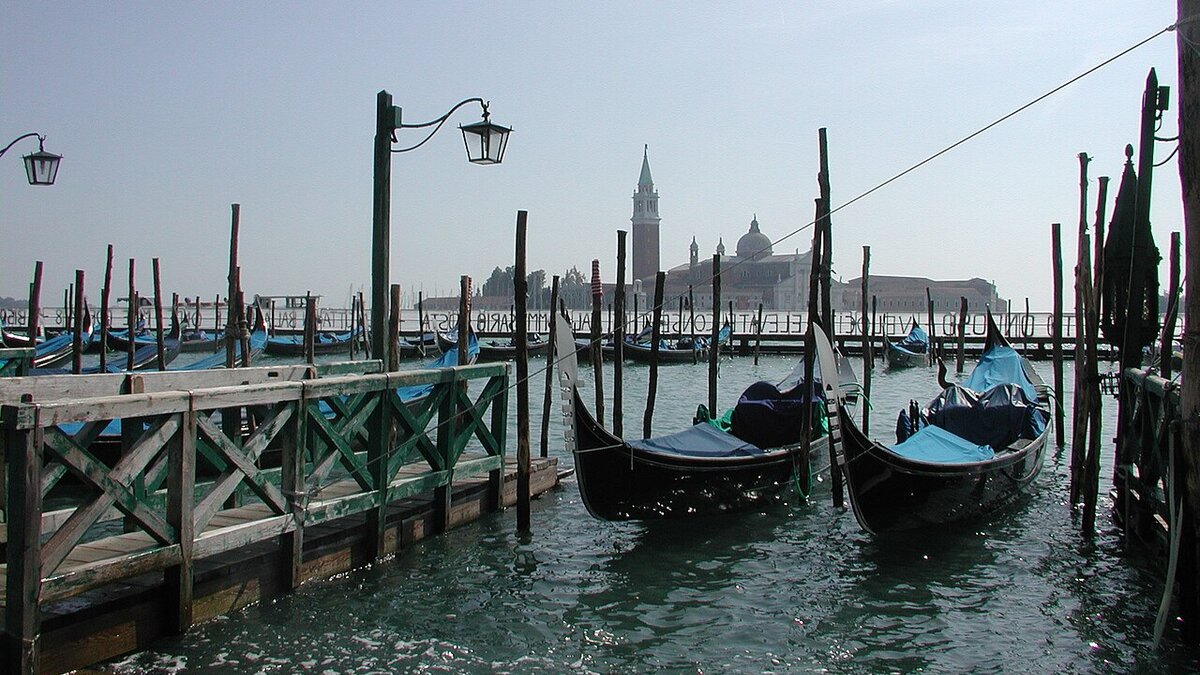
Cover image: Gondolas moored on the Venice lagoon beside Piazza San Marco — photo by Marcy Hargan from New York City (Manhattan), USA, CC BY 2.0, via Wikimedia Commons.
Europe's patchwork of tourist fees, caps and outright bans has thickened again this summer. As of August 2026, day trippers to Venice pay €5–€10 on 60 peak days a year, cruise passengers stepping ashore on Santorini or Mykonos pay a €20 government levy in high season, Amsterdam taxes hotel stays at 12.5% on top of a Dutch hotel VAT rate that jumped from 9% to 21% in January, and Edinburgh became the first UK city to charge a visitor levy — 5% of the accommodation cost — on 24 July 2026, according to the City of Edinburgh Council.
Rentals are squeezed just as hard. Barcelona will let all of its roughly 10,000 short-term-rental licences expire by November 2028, and Spain's Consumer Rights Ministry has ordered Airbnb to delist nearly 66,000 non-compliant holiday rentals nationwide, according to CBS News. Here is the full list — verified, organised by country, with amounts and start dates.
What are Italy's tourist rules and fines in 2026?
Venice runs the continent's flagship entry fee. In 2026 it applies on 60 days — up from 54 in 2025, covering Fridays to Sundays from early April through late July — between 8.30am and 4pm, according to Euronews. Day visitors pay €5 if they book at least four days ahead, €10 if they don't; being caught without a QR code risks a €50–€300 fine. Residents, workers, students and overnight guests are exempt, though hotel guests must still register.
Beyond the lagoon, Italy's honeypots have their own rulebooks:
- Capri caps organised tour groups at 40 people from summer 2026, requires wireless earpieces for groups larger than 20, and bans loudspeakers, brightly coloured guide umbrellas and visitor stickers, according to AFAR.
- Portofino fines visitors €68–€275 for lingering in designated harbourfront "red zones" during peak season — an anti-crowding rule aimed at selfie bottlenecks, in force since 2023.
- Cinque Terre requires a Trekking Card (€7.50 a day, €15 on peak days) for the Sentiero Azzurro coastal path, runs one-way systems on the busiest spring days, and bans flip-flops and smooth-soled shoes on trails with fines of €50 to €2,500, according to Euronews.
What is Spain doing about Airbnb rentals and overtourism?
Spain is the epicentre of Europe's overtourism backlash. Barcelona's phase-out of tourist flats — every licence expires, non-renewably, by November 2028 — has so far survived legal challenge and is the template other cities are studying. Nationally, the Consumer Rights Ministry's enforcement orders against Airbnb cover close to 66,000 listings that lacked valid licence numbers or misstated who owned them, according to CBS News. Airbnb is appealing.
The street pressure has not eased. Around 25,000 people by police counts — organisers claimed 70,000 — marched through Palma de Mallorca on 26 July 2026 against tourism-driven housing costs, according to The Local Spain. The Balearic government, meanwhile, plans to raise the top rate of its sustainable-tourism tax from €4 to €6 per night in June, July and August — rises of 66–200% depending on accommodation category — while scrapping the tax entirely in January and February, according to Travel Weekly.
One extra wrinkle this month: the 12 August total solar eclipse crossing Spain is funnelling extra crowds into exactly these regions.
How much are Amsterdam and the Greek islands charging visitors?
Amsterdam already levies Europe's highest big-city tourist tax at 12.5% of the room rate, and its governing coalition plans to lift it to 16% in 2027 and then, a point a year, to 20%, according to DutchNews.nl — on top of Dutch hotel VAT that rose from 9% to 21% on 1 January 2026. The city is also capping ocean-cruise calls at 100 a year from 2026 (down from 190), aims to remove the city-centre cruise terminal by 2035, and is introducing a licensing regime for inner-city tourist shops, according to The Maritime Executive.
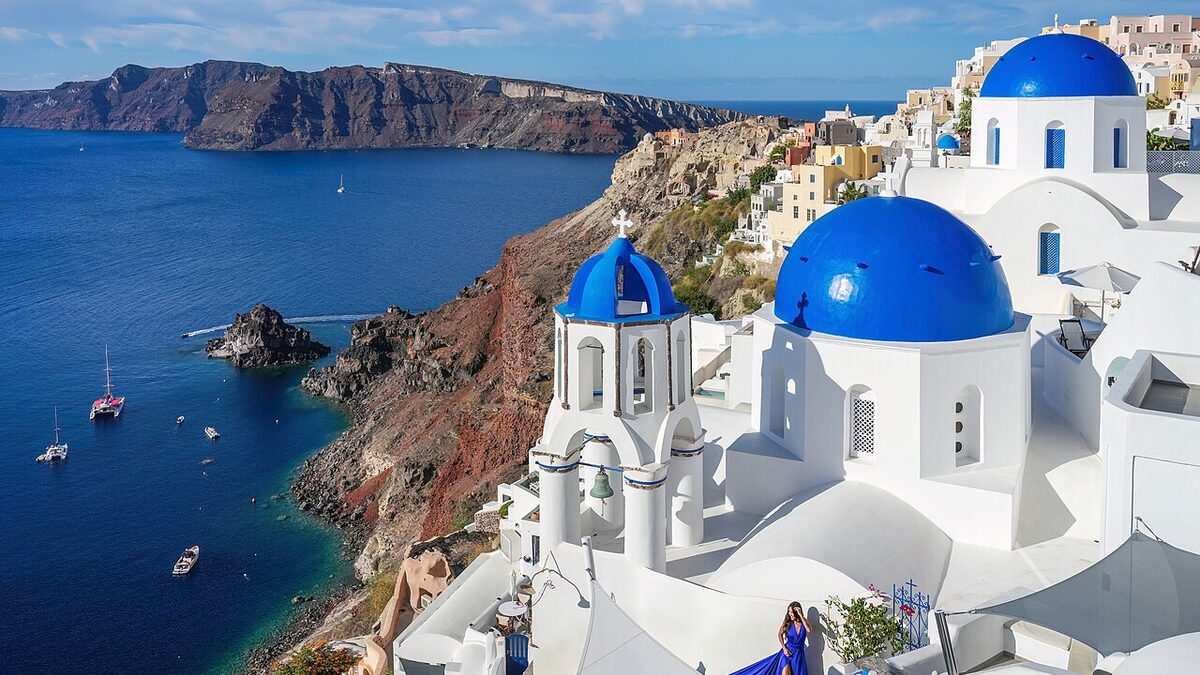
Greece introduced a national cruise-passenger levy on 21 July 2025 that is in full effect for 2026: €20 per passenger disembarking on Santorini or Mykonos from 1 June to 30 September, €5 at other ports, dropping to €12/€3 in shoulder months and €4/€1 in winter. Santorini, which also operates a daily cruise-visitor cap of about 8,000, has 595 cruise calls scheduled for 2026 against 728 in 2025 — an 18.3% drop — while Mykonos volumes are up around 16% despite the charge, according to GreekReporter.
Which European cities raised tourist taxes in 2026?
Edinburgh is the year's landmark: the UK's first city-wide visitor levy, 5% of the accommodation cost, capped at five consecutive nights, applies to stays from 24 July 2026 booked on or after 1 October 2025, and is forecast to raise about £50 million a year, according to the City of Edinburgh Council. Paris charges up to €15.60 per person per night at palace-grade hotels since a 200% Île-de-France Mobilités surcharge tripled rates in January 2025. Lisbon holds at €4 per person per night, capped at seven nights, after doubling the rate in September 2024.
| Destination | Measure | Amount | In force |
|---|---|---|---|
| Venice | Day-tripper access fee, 60 peak days | €5 advance / €10 late | Fri–Sun, Apr–Jul 2026 |
| Barcelona | Short-term-rental licence phase-out | ~10,000 licences end | By Nov 2028 |
| Spain (national) | Airbnb delisting orders | ~66,000 listings | 2025–26 |
| Amsterdam | Tourist tax on room rate | 12.5% (16% in 2027, to 20%) | Now; rises from 2027 |
| Santorini / Mykonos | Cruise-passenger levy (peak) | €20 per passenger | Since 21 Jul 2025 |
| Portofino | "Red zone" lingering fines | €68–€275 | Peak season |
| Cinque Terre | Trekking Card + footwear rules | €7.50–€15 card; fines to €2,500 | Ongoing |
| Edinburgh | UK's first city visitor levy | 5%, max 5 nights | Stays from 24 Jul 2026 |
| Paris | Tourist tax incl. transport surcharge | Up to €15.60/night | Since Jan 2025 |
| Lisbon | Per-night city tax | €4, max 7 nights | Since Sep 2024 |
Why is Europe cracking down on tourists — and what comes next?
The common thread is housing and crowding, not hostility to travel. Short-term rentals are blamed for hollowing out city-centre housing stock; entry fees and cruise levies aim to price and pace peak-hour crowds; taxes fund the infrastructure visitors consume. Notably, most measures target day trippers and rentals rather than overnight hotel guests, whom cities still court for their higher spend.
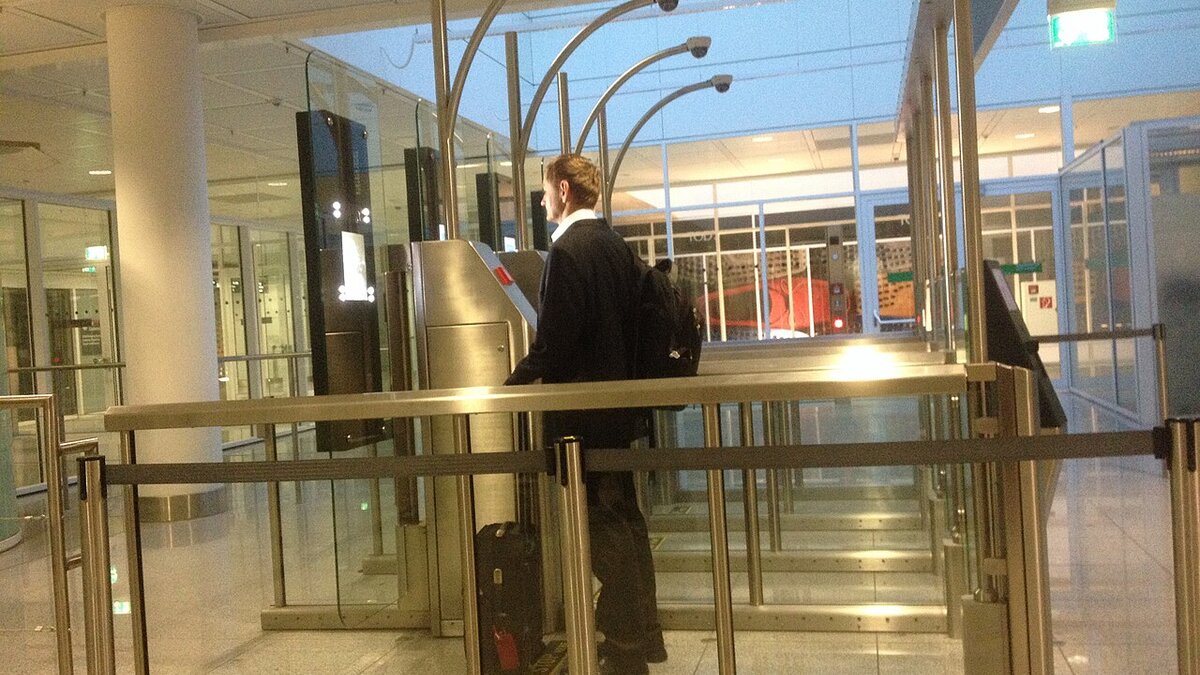
Border formalities are tightening in parallel. The EU's biometric Entry/Exit System began its phased rollout on 12 October 2025 and reached full deployment across Schengen in April 2026, while Brussels has dropped its late-2026 target for the ETIAS travel authorisation, with 2027 now the likelier start. Rule changes are hardly confined to Europe, either — see our roundup of new entry requirements from Chile to Egypt and the US. For the trade, the takeaway is simple: build these fees into quotes now, because the direction of travel is one way — up.
Frequently asked questions
Do I have to pay the Venice entry fee if I stay overnight?
No. Overnight guests are exempt because Venice's lodging tax is already included in their hotel bill, but they must still register their accommodation details for an exemption QR code. The day fee applies only on the 60 designated 2026 dates, between 8.30am and 4pm.
Is Barcelona banning Airbnb completely?
Effectively yes, for tourist apartments: all existing short-term-rental licences expire by November 2028 and will not be renewed. Hotels are unaffected, and the phase-out has so far withstood legal challenge from the rental lobby.
Who collects Greece's €20 cruise fee?
The levy is charged per disembarking passenger, typically collected by the cruise line with the fare and remitted to the Greek state. The €20 rate applies only at Santorini and Mykonos between 1 June and 30 September; other Greek ports charge €5 in peak season, with lower shoulder and winter tiers.
Does Edinburgh's visitor levy apply to bookings I made in 2025?
Only partly. Stays from 24 July 2026 are charged 5% if the booking was made on or after 1 October 2025. Bookings made before that date are not charged, and the levy is capped at five consecutive nights.
Sources
- Euronews — Venice day-tripper fee returns in 2026: when visitors have to pay
- Euronews — Cinque Terre footwear checks and one-way trail systems
- AFAR — Capri and Florence implement new tourist restrictions
- CBS News — Spain orders more than 65,000 Airbnb listings blocked
- The Local Spain — Tens of thousands march in Mallorca overtourism protest
- Travel Weekly — Balearic Islands plans to hike sustainable tourism tax in peak season
- DutchNews.nl — Amsterdam to hike tourist tax to 20%, close sea cruise terminal
- The Maritime Executive — Amsterdam to start cruise ship limits in 2026
- City of Edinburgh Council — Edinburgh Visitor Levy comes into effect
- GreekReporter — How geopolitics and new fees are reshaping cruise tourism on Santorini and Mykonos