Coordinated anti-tourism protests swept southern Europe in June 2026 as Barcelona doubled its tourist tax to one of the continent's highest, intensifying the debate over mass tourism.
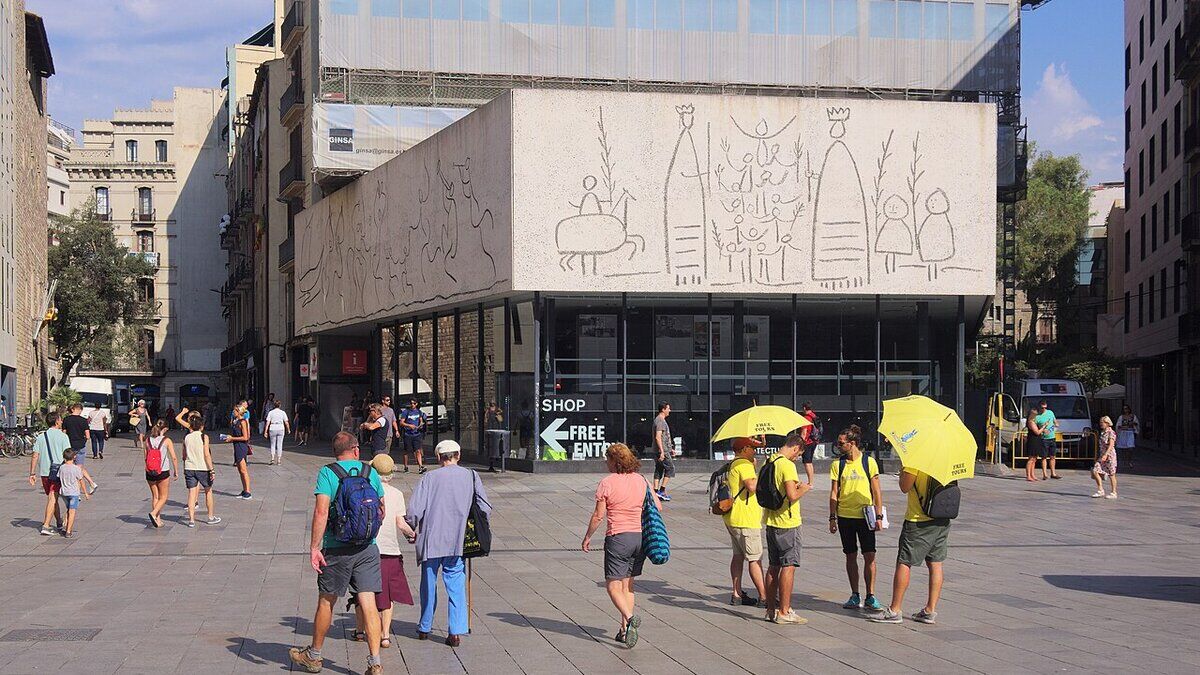
Cover image: a busy tourist street in Barcelona — photo by C messier, CC BY-SA 4.0, via Wikimedia Commons.
The tension between tourism and the people who live with it boiled over again this June. Across southern Europe, residents staged coordinated anti-tourism protests, while Barcelona pushed through a doubling of its tourist tax — cementing a backlash that has moved from the fringes to the centre of the continent's travel debate.
The message from organisers and city halls alike is consistent: the era of unmanaged, ever-growing tourism is meeting real political resistance, and the cost of visiting Europe's most popular cities is rising as a direct result.
A coordinated day of protest
On 15 June 2026, demonstrations were organised across 16-plus cities under the banner of a southern European network opposing mass "touristification." Protests spanned Spain, Italy, Portugal and France, with actions in Barcelona, Mallorca, Bilbao, Ibiza, Valencia, Venice, Naples, Palermo and Lisbon among others.
The grievances are remarkably similar from city to city. Residents point to:
- Rising rents and the conversion of housing into short-term holiday rentals.
- Pressure on public services and infrastructure during peak season.
- A perceived loss of community identity as neighbourhoods reorient around visitors.
Barcelona doubles down — literally
Nowhere is the policy response sharper than in Barcelona. Catalonia's parliament approved a law roughly doubling the regional tourist tax on holiday rentals — from €6.25 to €12.50 — while hotel guests now face surcharges of €10 to €15 per night, per person, among the highest in Europe.
The tax hike is one piece of a broader strategy. Barcelona has signalled it will phase out certain short-term tourist rentals by 2028 and tighten regulation of tourism-related activity, explicitly linking visitor management to the city's housing crisis.
The paradox: protests amid record demand
What makes the backlash striking is that it is happening even as the numbers climb. In the first four months of 2026, the number of tourists visiting Spain rose 3.4%, and the country expects incoming international flight passengers in June to be up around 7% on the previous year. The friction is not a sign of declining tourism — it is a sign of tourism colliding with the limits of the places that host it.
What it means for travellers
For visitors, the practical implications are twofold. First, costs are rising: city taxes, rental restrictions and fees are climbing in the most popular destinations. Second, the social context is shifting — travellers are increasingly being asked to consider their footprint, to spread out beyond the most saturated hotspots, and to favour off-peak timing and longer, lower-impact stays.
The bottom line
Europe's overtourism backlash has moved decisively from protest banners to public policy. Higher taxes, rental crackdowns and visitor caps are no longer threats but realities in cities like Barcelona. For travellers, the destinations are as alluring as ever — but the terms of visiting them are changing fast.