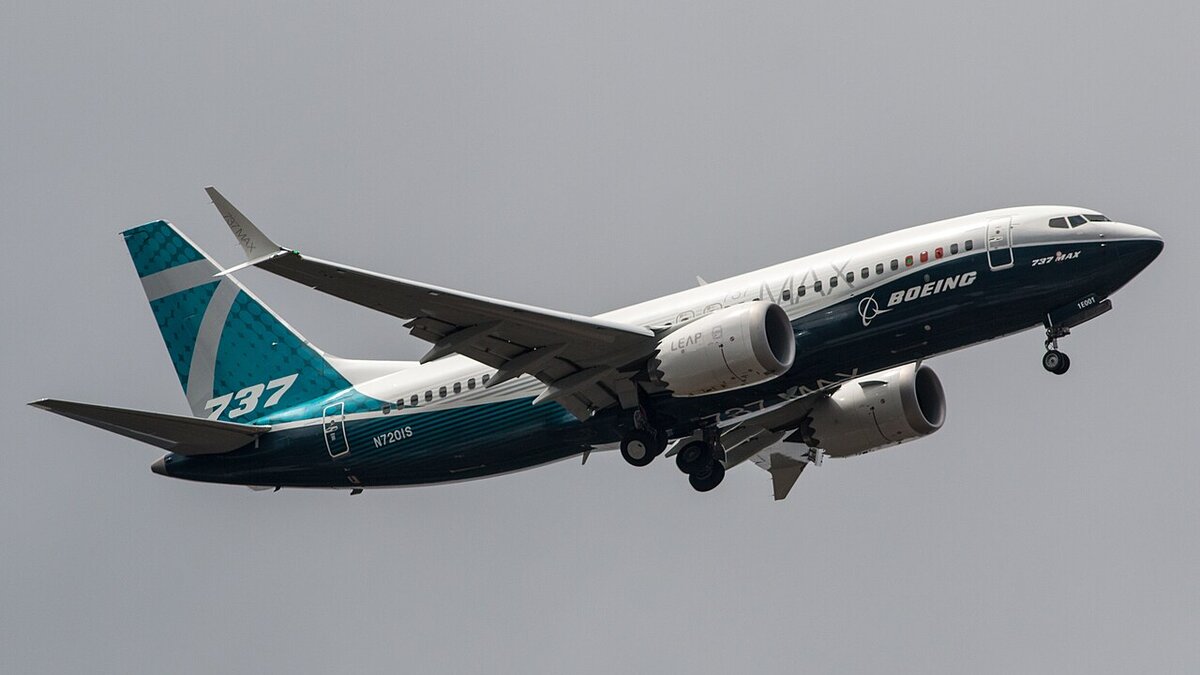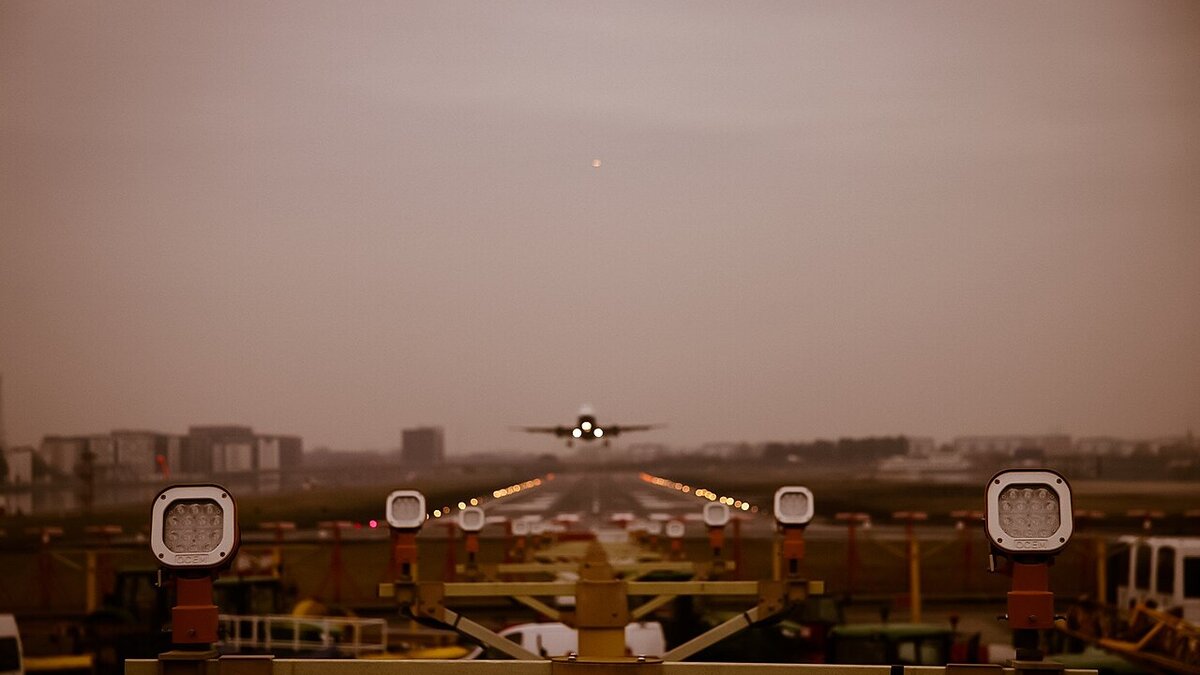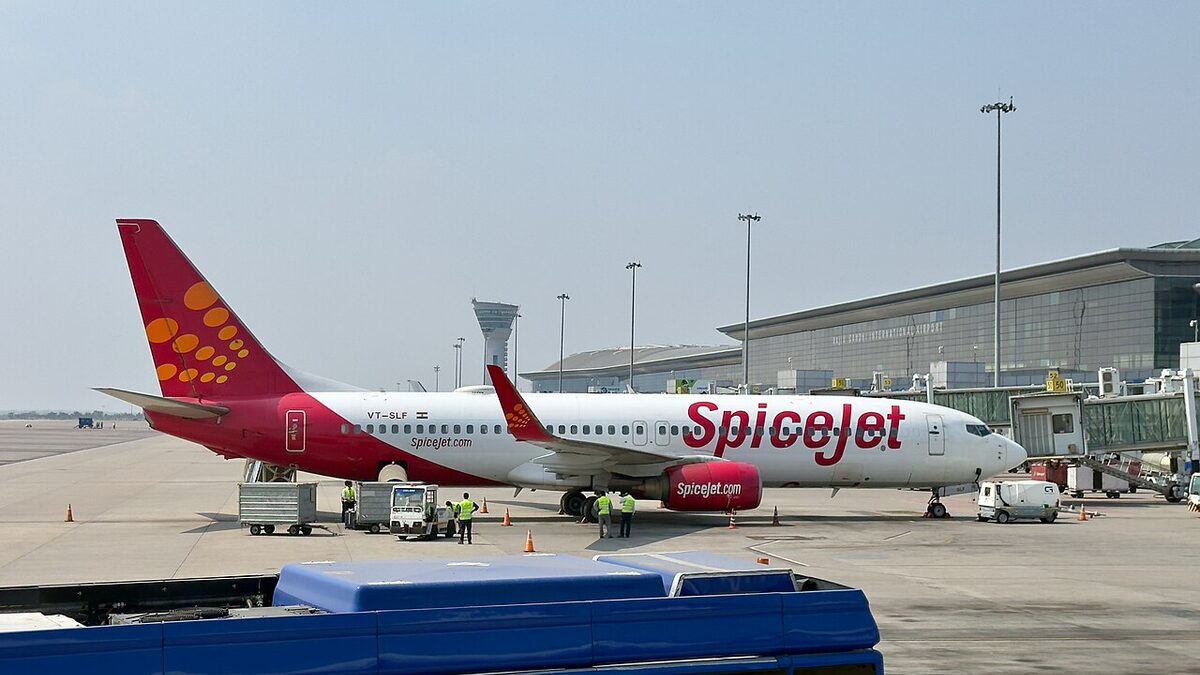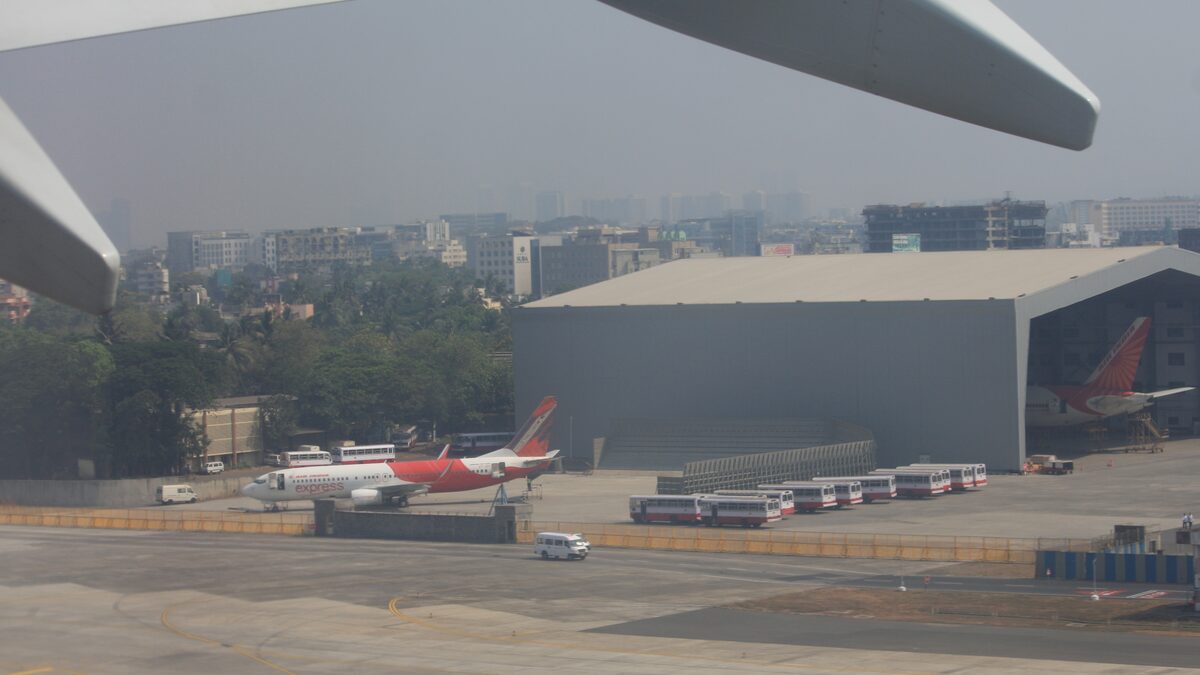
Runway 11R/29L resumed operations on 20 September after a seven-month rehabilitation with resurfacing, a new rapid exit taxiway and upgraded lighting.
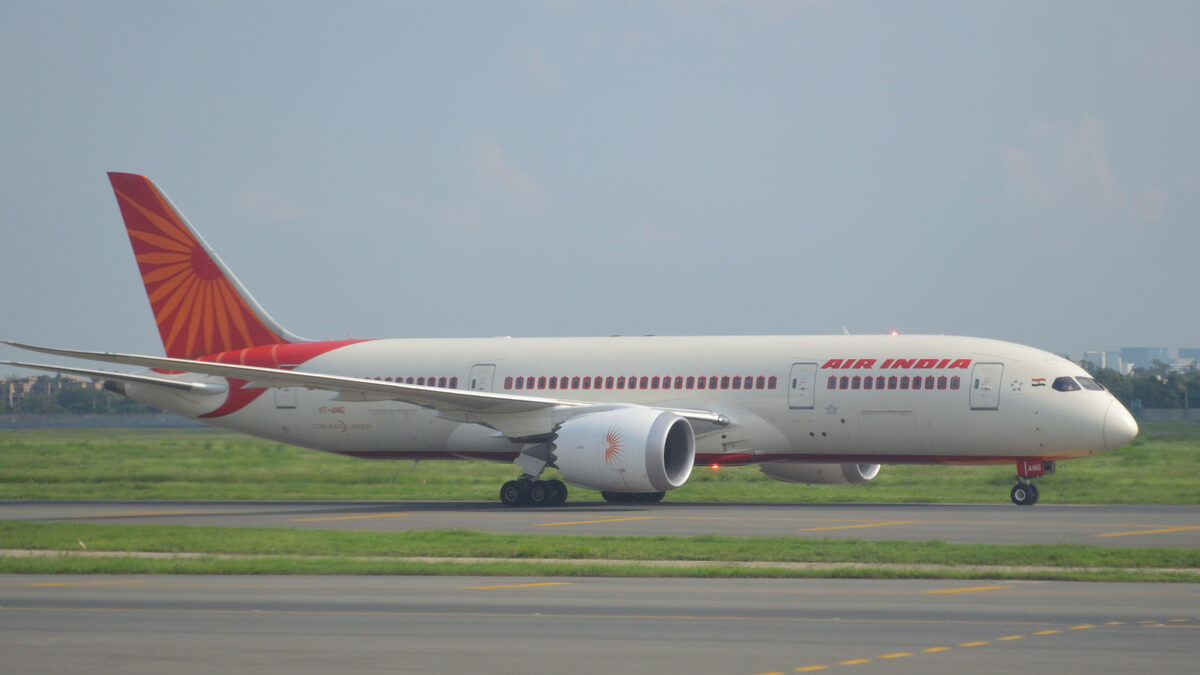
Cover image: Air India Boeing 787 Dreamliner on the runway at Delhi airport — photo by Biswarup Ganguly, CC BY 3.0, via Wikimedia Commons.
Delhi Airport's third runway reopened for operations on 20 September 2026 after a shutdown of almost seven months, restoring full three-runway operations at India's capital airport ahead of the winter schedule. Delhi International Airport Ltd (DIAL) confirmed that runway 11R/29L resumed traffic after receiving all required regulatory approvals following inspections and validations.
The strip, commissioned in 2007, had operated continuously for 17 years before closing in February 2026 for rehabilitation. DIAL said the work covered resurfacing, a permanent shift of the 29L landing threshold, a new rapid exit taxiway, pavement reinforcement, and upgraded airfield ground lighting and navigation systems.
What changed on runway 11R/29L?
DIAL chief executive Pradeep Panicker called the reopening "an important milestone in Delhi Airport's continued journey towards building future-ready aviation infrastructure". The operator said the upgraded strip will "strengthen Delhi Airport's capacity and resilience while supporting the growing aviation needs of the country".
The headline engineering changes are practical rather than cosmetic. A permanent threshold shift on 29L changes where landing aircraft touch down, which matters for obstacle clearance and approach design. The new rapid exit taxiway lets aircraft vacate the runway at higher speed, cutting the time each movement occupies the strip. That single metric, runway occupancy time, is what determines how many movements an hour a runway can handle.
The closure coincided with a difficult spell for Delhi operations. Earlier this month airlines issued flight advisories as monsoon rains disrupted schedules, and operating on two runways through the summer left controllers with less room to absorb weather delays. A third serviceable runway gives the airport somewhere to put that displaced traffic.
Why the seven-month closure matters for winter schedules
The timing is deliberate. The runway returns just as airlines finalise winter schedules, when fog season starts testing Delhi operations from December. Low-visibility procedures consume runway capacity because aircraft need greater separation, so entering fog season with all three strips available is materially better than the two-runway operation Delhi ran through most of 2026.
The airport has been upgrading facilities across the board: 57 Indian airports saw facility upgrades this month, with Delhi among the airports receiving terminal and airside attention. The runway project is the airside half of that equation. Terminals move passengers, but runways move aircraft, and Delhi's growth story depends on both.
What the upgrade includes
| Work item | What it does |
|---|---|
| Runway resurfacing | Restores pavement strength after 17 years of continuous use |
| Permanent 29L threshold shift | Revises touchdown point for obstacle clearance and approach design |
| New rapid exit taxiway | Lets aircraft leave the runway faster, cutting occupancy time |
| Ground lighting and navigation upgrades | Improves reliability in low visibility and varied weather |
| Civil and electrical works | Supports the new taxiway, lighting and drainage systems |
How this fits Delhi's capacity plans
Delhi has been adding infrastructure on several fronts. Plans for a third airport to serve the capital region around Ahmedabad's hub model show how planners think about long-term demand, while nearer-term relief comes from making existing strips work harder. DIAL expects the upgraded runway to improve efficiency, optimise aircraft movement and reduce delays, and to perform more reliably when weather turns.
The parallel with London is instructive: Gatwick's second runway cleared its court challenge this year on similar arguments about resilience and growth. For Delhi, the argument already won, the concrete is laid, and from 20 September the airport is back to three runways.
Frequently asked questions
Which runway reopened at Delhi Airport on 20 September 2026?
Runway 11R/29L, the airport's third runway, commissioned in 2007. It closed in February 2026 for rehabilitation including resurfacing, a permanent 29L threshold shift, a new rapid exit taxiway and upgraded lighting, and resumed operations after regulatory inspections and validations.
Will the reopened runway reduce flight delays at Delhi?
DIAL expects better runway efficiency, optimised aircraft movement and shorter runway occupancy times, which should cut delays. The benefit will be most visible during fog season from December, when low-visibility procedures demand extra separation and every available strip counts.
Who operates Delhi Airport?
Delhi International Airport Ltd (DIAL), a joint venture between a GMR group-led consortium and the Airports Authority of India. DIAL confirmed all regulatory approvals were secured after inspections and validations before the 20 September reopening, and chief executive Pradeep Panicker fronted the announcement.
Was Delhi operating on two runways during the closure?
Yes. With 11R/29L shut from February to September 2026, the airport handled its traffic on the remaining two runways, leaving less slack to absorb monsoon and weather disruption such as the September rain delays. Full three-runway operations are now restored ahead of the winter schedule.