India launched hub-and-spoke international connections from Ahmedabad on 1 September 2026, making it the third airport after Varanasi and Amritsar.
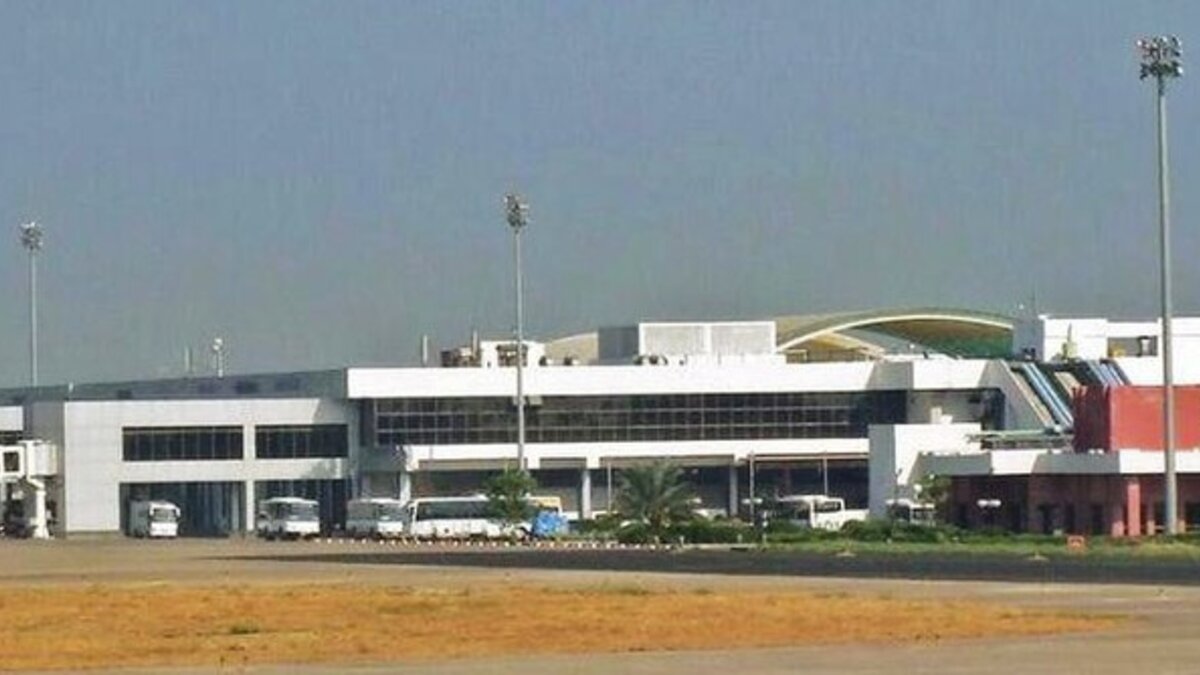
Cover image: Sardar Vallabhbhai Patel International Airport terminal in Ahmedabad — photo by Hardik jadeja, CC BY 3.0, via Wikimedia Commons.
Ahmedabad hub flights began on 1 September 2026 when India activated international hub-and-spoke transfers at Sardar Vallabhbhai Patel International Airport, making Ahmedabad the third airport in the national framework after Varanasi and Amritsar. The model lets passengers clear immigration, check in and through-check baggage at Ahmedabad for onward international flights via Delhi, instead of repeating formalities at the capital.
Civil Aviation Minister Ram Mohan Naidu said 1.6 crore (16 million) passengers travelled from Ahmedabad to Delhi last year just to board international flights. The ministry has identified 22 more airports for phased integration and aims to make India the preferred aviation hub for Indian travellers by 2030 and a leading global hub by 2047.
What changed at Ahmedabad on 1 September?
Under the hub-and-spoke, Ahmedabad is now a spoke that feeds Delhi's intercontinental network. Transfer passengers complete international check-in and immigration at Ahmedabad, with baggage through-tagged to final destinations such as Paris, Toronto or Sydney. The launch event in Ahmedabad was attended by Naidu and Gujarat Chief Minister Bhupendra Patel, according to both India Tribune and Swarajya.
The ministry first piloted the system at Varanasi on 25 June 2026, extended it to Amritsar, and then to Ahmedabad. Surat is among the next airports cited for expansion. For travellers based in Gujarat, the change removes a domestic-to-international terminal transfer at Delhi and shortens connection risk on separate tickets.
Why Ahmedabad was chosen third
Ahmedabad is India's seventh-busiest airport and Gujarat's primary gateway for business, diaspora and pharmaceutical traffic. Routing 16 million annual connecting passengers via Delhi through a single check-in point captures a large, measurable flow that previously leaked to informal self-transfers.
The ministry's own studies project the hub strategy will generate about 0.4 million jobs and USD 30 billion in GDP contribution by 2030, rising to 16 million jobs and USD 1.4 trillion by 2047 as more spokes join, as reported by India Tribune. Ahmedabad's link to the 2030 Commonwealth Games bid is also cited as a demand driver for textiles, gems, pharma and engineering travel.
Which routes benefit first?
The immediate benefit is on city pairs where Ahmedabad had no nonstop international service but Delhi does. Think Ahmedabad–Paris, Ahmedabad–Toronto, Ahmedabad–Sydney or Ahmedabad–Dubai–Europe, all now bookable on a single ticket with a Delhi transit. Airlines can sell Ahmedabad as an origin for long-haul itineraries without adding aircraft at Ahmedabad itself.
For airlines, the economics are incremental: they fill Delhi wide-bodies with Gujarat-origin passengers who previously flew Ahmedabad–Delhi as a separate domestic segment. For passengers, the practical win is a single PNR, protected connections and baggage interlining. Existing joint ventures like Singapore Airlines–ANA show how hub feed supports load factors, and the new Ahmedabad feed will be watched for similar effects on IndiGo's long-haul Manchester experiment and Garuda Indonesia–Saudia's joint business that also rely on Delhi connections.
What travellers should do now
- Check single-ticket options from AMD to your final destination rather than booking AMD–DEL and DEL–abroad separately.
- Allow the airline's minimum connection time at Delhi for through-tagged baggage; do not recollect and re-check.
- Carry the same passport and visa set for the entire itinerary, as immigration is now at Ahmedabad.
What comes next: 22 more airports
Swarajya reports the ministry has identified 22 airports for phased hub integration. The long-term target is a distributed network where travellers from Tier 2 and Tier 3 cities connect internationally without backtracking or double formalities. If Ahmedabad's early numbers hold, expect similar activations in western and southern spokes through late 2026 and 2027.
Frequently asked questions
Do I still need to clear immigration at Delhi if I start from Ahmedabad?
No. Under the new system you clear immigration and check in at Ahmedabad and baggage is through-checked to your final international destination. You transit at Delhi as an international-to-international connection.
Which airports are already in India's hub-and-spoke network?
Varanasi since 25 June 2026, Amritsar, and now Ahmedabad from 1 September 2026. Twenty-two more airports have been identified for phased inclusion, including Surat.
Does this create new nonstop flights from Ahmedabad?
Not immediately. It creates new single-ticket itineraries via Delhi using existing Delhi long-haul flights. Nonstop growth will depend on demand proven by the hub feed.
How big is the Ahmedabad feed?
About 1.6 crore (16 million) passengers flew Ahmedabad to Delhi last year to connect internationally, according to the Civil Aviation Minister. That is the addressable flow the hub now formalises.