PATA Foundation launches a Nepal Tourism Recovery Fund for guides, porters and lodges hit by the Aug 26 Rasuwa floods: trustee-approved grants, published accounts.
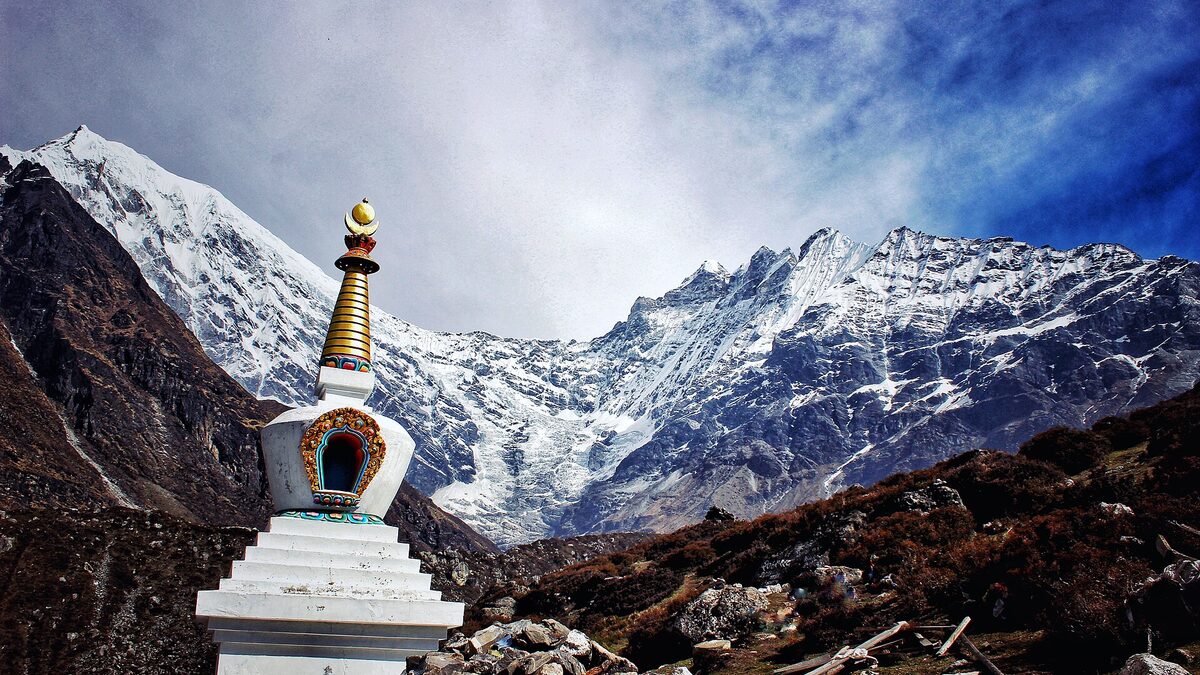
Cover image: a Buddhist stupa in Kyanjin Valley, Langtang, Nepal with snow peaks behind — photo by pnepalensis, CC BY-SA 4.0, via Wikimedia Commons.
The PATA Foundation has launched a Nepal Tourism Recovery Fund to channel grants directly to tourism workers and small businesses hit by the August 26 flash floods in Rasuwa district. Every grant is approved by the Foundation's trustees, and the Foundation promises to publish both what the fund raises and what it pays for. The message to the industry: Nepal is not closed, and the autumn season must not be lost as well.
What is the Nepal Tourism Recovery Fund?
The fund responds to the flash floods of August 26 that caused significant loss of life and widespread damage along the Bhote Koshi and Trishuli river areas, particularly in Rasuwa district and downstream communities. Our newsroom's reporting established the disaster as a glacier collapse on Langtang Lirung, with the toll later exceeding 1,200 dead; industry coverage at the end of August put confirmed deaths at 750 with thousands unaccounted for.
Unlike general disaster appeals, this fund is ring-fenced for tourism livelihoods. The Foundation asks donors to "give to the guides, drivers and porters, to the people who put travellers up, and to the small businesses that served them." Eligible uses are concrete: equipment for guides, porters, drivers and trekking staff; fitting out lodges, homestays and teahouses so they can receive guests again; tools, stock and equipment for traveller-serving businesses; and shared facilities used by whole communities.
How will the money be governed?
Two sentences on the fund page carry the credibility load: "Every grant is approved by the Foundation's Trustees" and "We will publish what the fund raises and what it pays for." No total fundraising target is stated, which keeps the focus on throughput rather than a headline number. Donation tiers run $25, $50, $100 and $500 plus custom amounts, with an optional 3% fee cover, via the contact Foundation@PATA.org.
"What they need from our industry is support that reaches individual livelihoods," said Andrew Jones, Chairman of the Foundation's Board of Trustees, "and an accurate account of which parts of the country are open so that the autumn season is not lost as well." He added: "Our first thoughts are with the families who have lost people, and with those still waiting for news," and called Nepal's tourism communities "among the most resilient I have worked with."
| Fund detail | What the Foundation says |
|---|---|
| Cause | Flash floods of August 26; Bhote Koshi and Trishuli areas, Rasuwa district focus |
| Who it helps | Guides, drivers, porters, trekking staff, lodges, homestays, teahouses, small businesses |
| Grant uses | Staff equipment; lodge fit-outs; business tools and stock; shared community facilities |
| Governance | Every grant trustee-approved; raised-vs-paid accounts to be published |
| Target | None stated |
| Donations | $25/$50/$100/$500/custom; Foundation@PATA.org |
Which parts of Nepal are open for autumn?
The fund page doubles as a status bulletin, pointing donors to live travel status at nepalnow.travel and stressing that "Nepal is not closed." Outside the affected corridor, it lists the Kathmandu Valley, Pokhara and the Annapurna region, the Everest and Khumbu region, Chitwan, Bardiya, Lumbini and the Terai as continuing to welcome visitors, with airports and major infrastructure operating. That matches our trek-by-trek open/closed assessment and the industry's Nepal Calling autumn campaign.
The open-but-hurt framing matters commercially. Australia's Smartraveller advised visitors to avoid a 50km zone around the Trishuli River across five districts and to delay overland Nepal-Tibet trips, while Nepal's foreign ministry has maintained the country stays open because damage is localized. Operators need both halves of that sentence when advising clients: sell the open regions with confidence, route around Rasuwa, and point concerned clients at the recovery fund as the practical way to help.
Frequently asked questions
How can the travel industry help Nepal flood victims?
Donate to the PATA Foundation's Nepal Tourism Recovery Fund, which makes trustee-approved grants to guides, porters, drivers, lodges and traveller-serving small businesses in the flood-hit Rasuwa corridor. The Foundation pledges to publish both what the fund raises and what it pays out, so donors can trace their money.
Is Nepal open to tourists after the August floods?
Yes, outside the affected corridor. The Kathmandu Valley, Pokhara and the Annapurna region, the Everest and Khumbu region, Chitwan, Bardiya, Lumbini and the Terai all continue to welcome visitors, with airports and major infrastructure operating. Check nepalnow.travel for live travel status before booking.
Which areas of Nepal are still affected?
The Bhote Koshi and Trishuli river areas, particularly Rasuwa district and the downstream communities struck by the August 26 flash floods. Australia's Smartraveller advises avoiding a 50km zone around the Trishuli River across five districts and delaying overland trips between Nepal and Tibet.
Where does the recovery fund money go?
The fund pays for equipment for guides, porters, drivers and trekking staff, fit-outs so lodges, homestays and teahouses can receive guests again, tools and stock for traveller-serving small businesses, and shared facilities used by whole communities. Every single grant is approved by the Foundation's trustees.