NOAA and Colorado State University both forecast a below-normal 2026 Atlantic hurricane season as a strengthening El Niño suppresses storm activity. With only two weak storms by early August, the September–October Caribbean discount window looks unusually attractive — but not risk-free.
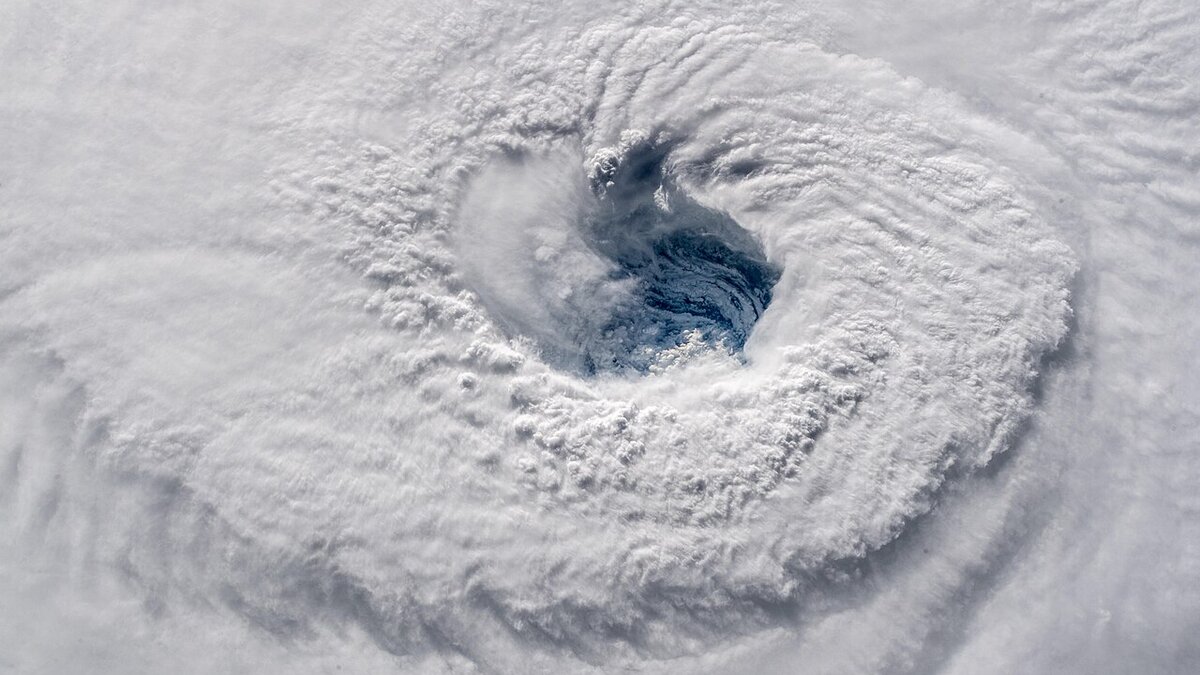
Cover image: Satellite view of a hurricane's eye swirling over the open Atlantic — photo by Alexander Gerst, Public domain, via Wikimedia Commons.
The Atlantic is having its weakest start in years by storm energy, and the Caribbean's autumn discount season is shaping up accordingly. NOAA's outlook, issued on 20 May 2026, gives the 2026 Atlantic hurricane season a 55% chance of being below normal, forecasting 8–14 named storms, 3–6 hurricanes and 1–3 major hurricanes — with a strengthening El Niño, potentially reaching "super" intensity, expected to shear apart developing systems. Colorado State University went further on 8 July, cutting its forecast to just nine named storms, four hurricanes and one major hurricane, down from 11/5/2 in June and well under the 1991–2020 average of 14/7/3.
The season so far is validating the forecasts. Through early August, only two short-lived tropical storms — Arthur and Bertha — have formed, producing a combined accumulated cyclone energy of just 2.6, more than 70% below average for this point in the season, according to Central Florida Public Media. No hurricane has yet developed. For travel sellers, the deepest discount months of September and October arriving under the most benign storm outlook in years is a genuine commercial story — though history warns against treating "below normal" as "no risk".
What are NOAA and Colorado State forecasting for the 2026 hurricane season?
Both major forecasting bodies point the same direction, and both blame the same driver. NOAA's May outlook assigns a 55% probability to a below-normal season, 35% to near-normal and just 10% to above-normal, citing an El Niño event that increases vertical wind shear over the Caribbean and tropical Atlantic — hostile conditions for storm formation.
CSU's July update is the more aggressive call. Lead scientist Phil Klotzbach and his team lowered their numbers again, noting the El Niño "could become record strong by fall" while ocean temperatures "provide mixed signals", per Weather.com's coverage of the report. Their nine-storm forecast — which would make 2026 the least active Atlantic season since 2014 — implies five fewer named storms and three fewer hurricanes than an average year.
| Forecast | Named storms | Hurricanes | Major hurricanes |
|---|---|---|---|
| NOAA (20 May 2026) | 8–14 | 3–6 | 1–3 |
| CSU (8 July 2026) | 9 | 4 | 1 |
| 1991–2020 average | 14 | 7 | 3 |
| Actual through 1 Aug 2026 | 2 (Arthur, Bertha) | 0 | 0 |
How much cheaper is the Caribbean in September and October?
September and October are reliably the region's price floor. Flight prices and resort rates drop by 30–50% compared with the rest of the year across the September-to-early-November window, according to Travel Noire's analysis of the autumn price drop, with the Dominican Republic and Jamaica typically posting the steepest declines.
Jamaica in particular is leaning into the window: the tourist board's Summer Vibes 2026 campaign has been pairing airfare credits with resort offers to keep momentum running into the shoulder months. For travellers weighing whether the discount is worth the weather gamble, our Caribbean hurricane season travel guide breaks down island-by-island exposure — the southern islands such as Aruba, Curaçao and Barbados sit largely outside the main hurricane belt in any year.
Should a quiet forecast change how you book?
Modestly, yes — but the discipline shouldn't change. A 55% below-normal probability shifts the odds, not the rules. The rational play in a quiet-forecast year is to book the September–October discounts with more confidence, while keeping the same protections you would demand in a busy year.
- Favour flexible rates. Refundable room rates and airline credits cost little in shoulder season and neutralise most forecast risk.
- Keep the insurance. A "cancel for any reason" upgrade or a policy with named-storm trip-interruption cover remains the cleanest hedge — our travel insurance guide explains the crucial rule that cover must be bought before a storm is named.
- Book earlier, not later. If a quiet season becomes consensus, shoulder-season demand firms up and the discounts shrink — the deepest deals go to those who commit first.
How do resorts and cruise lines de-risk hurricane season?
The supply side has spent decades building products that absorb weather risk. The best-known is the Sandals and Beaches Blue Chip Hurricane Guarantee, introduced in 1997: if a hurricane disrupts even one day of a stay, guests receive a free replacement holiday of the same duration and accommodation level, including airfare for North American guests, redeemable for up to a year across the group's Caribbean resorts, according to the programme's terms reported by Hospitality Net — which was triggered at scale after Hurricane Floyd in 1999. Guarantees like this are a structural reason the all-inclusive model dominates hurricane-belt inventory — one operator controls the room, food and often the flight, so it can make guests whole in a way à-la-carte bookings cannot.
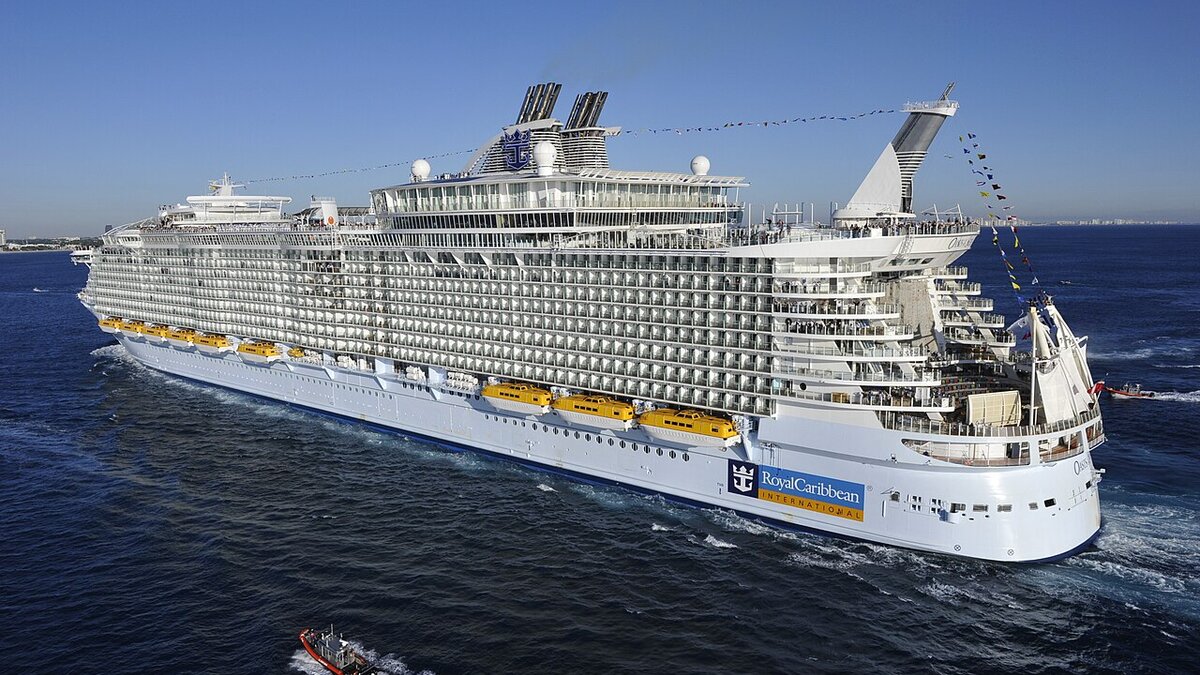
Cruising, meanwhile, simply moves the assets. Autumn is repositioning season: ships leave Mediterranean homeports between late October and mid-November for Florida and Caribbean winter deployments, and those long westbound transatlantic crossings are routinely among the lowest per-day fares on the market. Ships that do meet weather en route sail around it — one advantage a moving resort holds over a fixed one.
Why "below normal" never means "no risk"
The cautionary tale every forecaster cites is 1992. That season produced just six named storms (plus one unnamed subtropical storm) — a significantly below-average tally — yet its first hurricane was Andrew, which struck south Florida on 24 August as a Category 5 and caused roughly $27 billion in damage in 1992 dollars, then the costliest US hurricane on record. El Niño suppresses the number of storms, not the intensity of the ones that still form.
The practical takeaway for the trade: sell the 2026 shoulder season on price and probability, but never on certainty. Every September booking should still carry insurance, flexible terms or an operator guarantee — ideally all three.
Frequently asked questions
Is it safe to book the Caribbean for September or October 2026?
The odds are unusually favourable — NOAA puts a 55% probability on a below-normal season and only two weak storms had formed by early August. But individual storms can still develop, so book refundable rates and buy insurance before any storm is named.
Which Caribbean islands are least exposed to hurricanes?
The southern arc — Aruba, Bonaire, Curaçao, Barbados and Trinidad — sits at the edge of or outside the main hurricane belt and is rarely hit in any season. These islands are the lowest-risk choice for the September–October discount window.
What is the Sandals hurricane guarantee?
The Blue Chip Hurricane Guarantee, running since 1997, gives guests whose stay is disturbed by a hurricane a free replacement holiday of equal length and accommodation level, including airfare for North American guests. It applies across Sandals and Beaches resorts and is redeemable for up to a year.
Do quiet hurricane forecasts make travel insurance unnecessary?
No. Forecasts predict basin-wide activity, not whether a single storm crosses your itinerary — and 1992's significantly below-average season still delivered Hurricane Andrew. Insurance also covers illness, cancellations and airline disruption that have nothing to do with weather.
Sources
- Weather.com — NOAA's 2026 Atlantic hurricane season outlook
- Weather.com — Surging El Niño poised to reshape 2026 Atlantic hurricane season outlook
- KSLA — Colorado State lowers 2026 Atlantic hurricane forecast again
- Central Florida Public Media — Atlantic hurricane season enters peak months under growing El Niño influence
- Travel Noire — The Caribbean price drop window: when flights and resorts get cheaper
- Hospitality Net — Sandals Blue Chip Hurricane Guarantee compensates Hurricane Floyd guests
- Wikipedia — 1992 Atlantic hurricane season