A comprehensive travel insurance policy now averages about 6% of trip cost. Here is what medical, cancellation, delay and baggage cover actually pay for, the exclusions that catch travellers out, and when credit-card cover falls short.
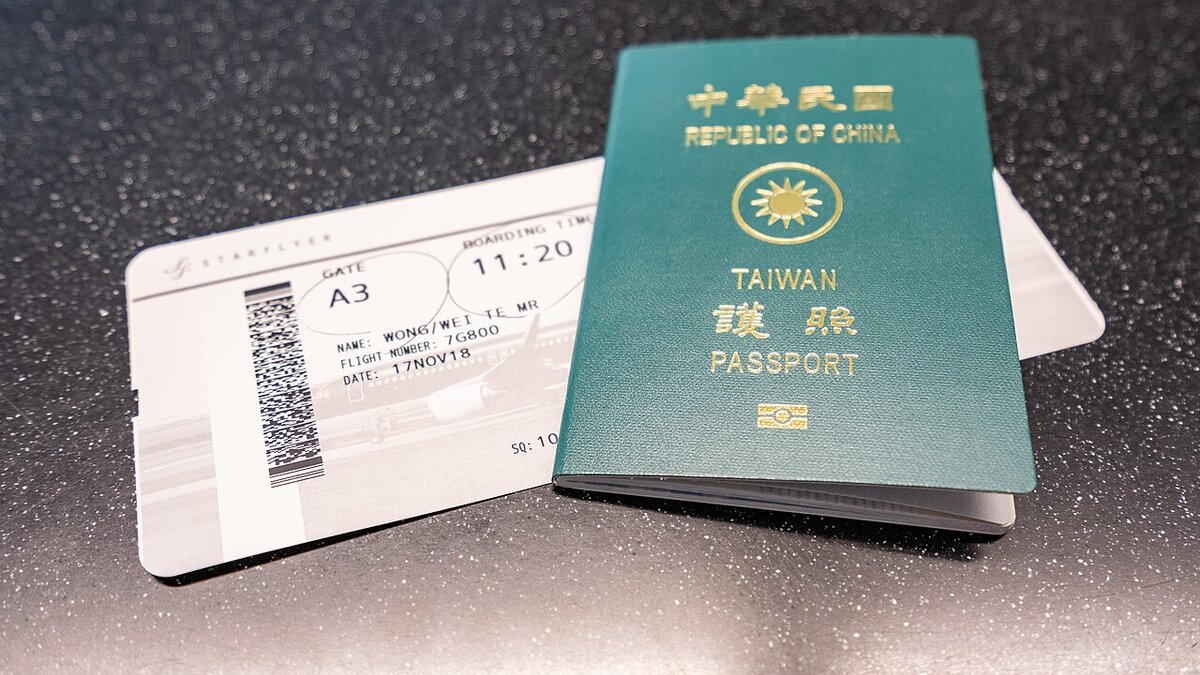
Cover image: travel documents and a passport laid out for a trip — photo by Wei-Te Wong, CC BY-SA 2.0, via Wikimedia Commons.
A standard comprehensive travel insurance policy covers four things: emergency medical treatment and evacuation, trip cancellation and interruption, travel delay, and baggage loss or delay. In 2026 that protection costs an average of $307 per policy, or roughly 6% of insured trip cost, according to data from Squaremouth, the US travel insurance comparison marketplace, with typical pricing running between 4% and 10% of the prepaid, non-refundable amount you protect. For cover levels, Squaremouth recommends a minimum of $50,000 in emergency medical benefits and $100,000 for medical evacuation; the US Centers for Disease Control and Prevention (CDC) notes that an emergency evacuation home can exceed $200,000 depending on location and condition. The catch is in the fine print: pre-existing conditions, alcohol-related incidents and adventure sports are routinely excluded, credit-card cover usually caps cancellation at $10,000 per person with little or no medical benefit, and annual multi-trip plans only make financial sense from about three trips a year. The detail on each follows below.
What does travel insurance actually cover?
A comprehensive single-trip policy bundles several distinct benefits, each with its own limit and trigger conditions:
- Emergency medical: pays for doctor visits, hospital stays, prescriptions and emergency dental care abroad. This is the benefit with the highest stakes, because domestic health plans often pay little or nothing outside the home country.
- Medical evacuation and repatriation: covers transport to the nearest adequate hospital and, if necessary, the journey home under medical supervision.
- Trip cancellation and interruption: reimburses prepaid, non-refundable costs if you cancel or cut short a trip for a covered reason, typically illness, injury, a death in the family, or severe weather that halts travel.
- Travel delay: pays for meals and accommodation after a qualifying delay, usually 6 to 12 hours. This sits alongside, not instead of, the statutory airline compensation schemes detailed in this guide to flight delay compensation and passenger rights.
- Baggage: reimburses essentials when bags are delayed and the depreciated value of belongings when they are lost or stolen.
Insurers have also begun stretching the product's traditional boundaries. Emirates, for example, made headlines this year with conflict-inclusive travel cover bundled into every ticket, protection that standard retail policies exclude almost universally.
How much medical cover do you need?
Medical limits, not price, should drive the buying decision. Squaremouth's recommended floor of $50,000 for emergency medical and $100,000 for evacuation reflects real claim sizes: the CDC's Yellow Book advises that evacuation to the United States can cost upwards of $200,000 from remote regions. For cruises, remote destinations or travellers over 65, brokers commonly steer clients toward $100,000 medical and $250,000 evacuation.
Cancellation cover is simpler: insure the full prepaid, non-refundable amount, no more. Over-insuring raises the premium without raising the payout, and refundable bookings need no cover at all.
Which exclusions surprise travellers most?
Most rejected claims trace back to a handful of standard exclusions that buyers never read.
Pre-existing medical conditions top the list. A flare-up of a condition that existed before purchase is excluded by default, but most US insurers waive the exclusion free of charge if the policy is bought within a set window, typically 10 to 21 days of the first trip deposit. Buying early is the single most valuable habit in travel insurance.
Alcohol and drugs void medical claims almost everywhere: injuries arising from illegal drug use or the misuse of alcohol are standard exclusions. Adventure sports such as scuba diving, off-piste skiing and mountain biking are usually excluded unless a specific rider is added. And foreseeable events are not insurable: once a hurricane is named or a strike is formally announced, policies bought afterwards will not pay for that event, a timing trap relevant to anyone watching the 2026 Caribbean hurricane season or Europe's summer strike calendar.
Travellers who want to cancel for reasons a policy does not list can buy Cancel For Any Reason (CFAR) as an add-on. It typically reimburses 50% to 75% of prepaid costs, must usually be purchased within the same early-booking window, and requires cancellation at least 48 hours before departure.
Is credit-card travel insurance enough?
Premium cards carry genuine protections, but they are strongest on inconvenience and weakest where losses are largest. Forbes Advisor's comparison concludes card cover is not a substitute for a comprehensive policy, chiefly because emergency medical benefits are minimal or absent. Chase's Sapphire cards, among the most generous in the US market, illustrate the ceiling:
| Benefit | Premium credit card (Chase Sapphire, typical) | Standalone comprehensive policy |
|---|---|---|
| Trip cancellation | Up to $10,000 per person / $20,000 per trip | Full insured trip cost |
| Emergency medical | $0–$2,500 | $50,000–$500,000 |
| Trip delay | Up to $500 after 6–12 hours | Varies; often $150–$300 per day |
| Lost luggage | Up to $3,000 per traveller | Typically $1,000–$3,000 |
| CFAR option | Not available | Optional upgrade (50–75% refund) |
Card cover also only applies when the trip is paid with that card, a nuance explained further in the travel credit card points guide. For a domestic weekend, card benefits may suffice; for an international trip with real medical exposure, they do not.
Annual or single-trip: which should you buy?
Annual multi-trip policies average about $420 upfront in the US, under $2 per day of cover, per Squaremouth's 2026 data, and generally beat separate policies once a traveller takes three or more trips a year. The trade-off is depth: most annual plans are medical-focused, few include meaningful trip-cancellation benefits, and all impose maximum trip lengths, commonly 30 to 90 days per journey. Frequent short-haul business travellers are the natural fit; anyone protecting one expensive holiday is usually better served by a single-trip comprehensive policy sized to that booking.
Frequently asked questions
How much does travel insurance cost in 2026?
Squaremouth's 2026 data puts the average comprehensive policy at $307, or about $20 per day on a 15-day trip. As a rule of thumb, expect to pay 4% to 10% of your prepaid, non-refundable trip cost, with 6% the current average.
Does travel insurance cover cancelling because I changed my mind?
Not under standard cover, which pays only for listed reasons such as illness or severe weather. A Cancel For Any Reason upgrade reimburses 50% to 75% of prepaid costs, provided you buy it soon after booking and cancel at least 48 hours before departure.
When should I buy a policy?
Within 10 to 21 days of your first trip payment. That window unlocks pre-existing condition waivers and CFAR eligibility, and it locks in cover before storms, strikes or other events become "foreseeable" and therefore excluded.
Are pandemics and war covered?
Most policies now treat COVID-19 like any other illness for medical and cancellation claims, but fear of travel remains excluded. War and conflict are near-universal exclusions in retail policies, which is why Emirates' conflict-inclusive cover launched in 2026 was considered a world first.