Stack four layers: book 2-8 months out, land in a cheap gateway like Barcelona or Dublin, hop onward on a budget carrier, and set alerts early.
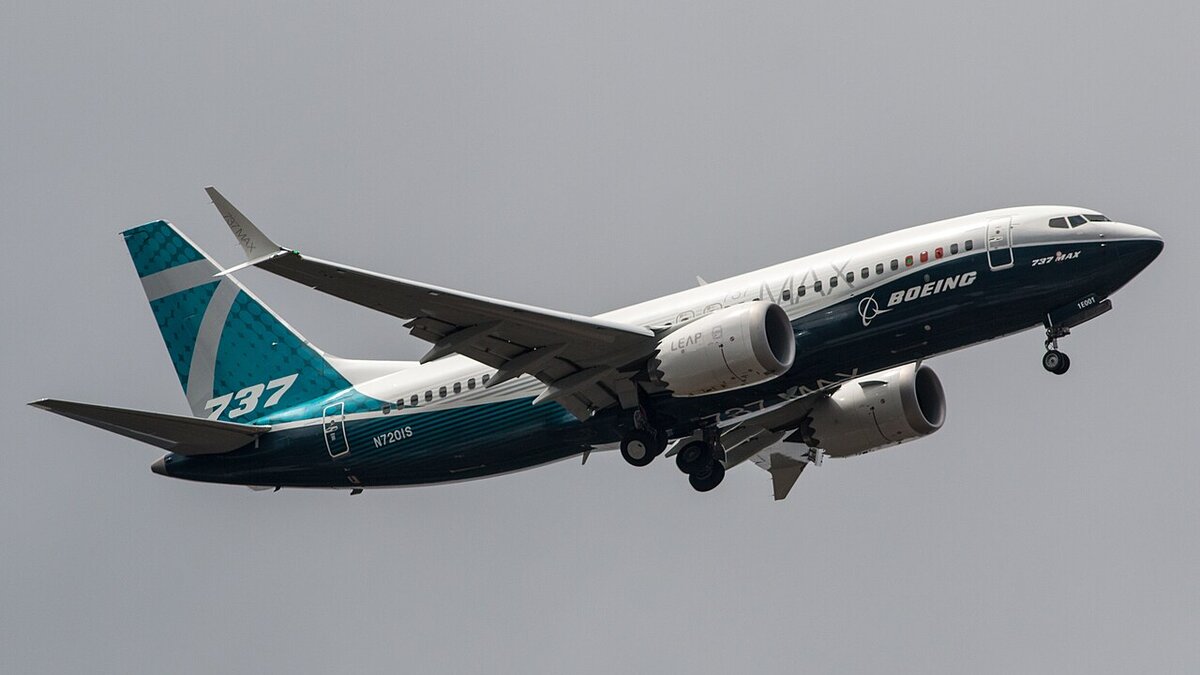
Cover image: Ryanair Boeing 737 MAX 8-200 taxiing at an airport — photo by Hugo LUC, CC BY-SA 4.0, via Wikimedia Commons.
The cheapest way to fly to Europe is a stack, not a single trick: pick off-peak midweek dates, land in a cheap gateway city, hop onward on a budget carrier, and set a fare alert months ahead. Fare data from Going puts the booking sweet spot for Europe at 2 to 8 months before departure, with average Christmas deal fares to Europe at $513 roundtrip. Here is how to put every layer to work.
These tactics draw on current US deal data, but the mechanics work from any origin: timing, gateways, budget airlines and alerts.
Book inside the Goldilocks window
Going's fare analysts call 2 to 8 months before departure the Goldilocks window for Europe and other international trips: early enough for cheap buckets to still be open, late enough for airlines to have started discounting. For Christmas, the windows shift earlier. Its September 2026 guide advises booking domestic festive flights 3 to 5 months out and international ones 4 to 10 months out, and warns that once you are within about three weeks of the holiday, fares reliably climb instead of falling.
Two timing details are worth money. Christmas Eve and Christmas Day are among the quietest and cheapest travel days of the season, so flexibility of even 24 hours pays. And 2026 fares are running noticeably higher than last year, which makes booking at the early end of each window the safer play. Our holiday flights booking guide breaks the seasonal deadlines down further.
Fly into the cheapest gateway, not your final city
Where you land matters as much as when you book. Going's ranking of deals sent between April 2025 and April 2026 names Barcelona, Milan and Dublin as the most affordable European cities to fly to from the US, followed by Madrid, Paris, Athens, Rome, Helsinki, Venice and Palermo. Sample roundtrips show why: New York to Barcelona for $237, New York and Boston to Dublin for $239, Chicago to Madrid for $299, with average savings around $550 per ticket against typical prices.
The play is simple. Search several gateways instead of fixating on one arrival city, then treat the last leg as a separate problem. Multi-city tickets help too: flying into Barcelona and home from Rome, for example, is often priced like a return while saving a backtrack. Price alerts from trackers are built for exactly this kind of flexible searching.
Let Europe's budget airlines do the last leg
Once inside Europe, short hops are startlingly cheap. Going lists Ryanair, easyJet, Wizz Air, Vueling, Aer Lingus, airBaltic, Eurowings and Transavia among the affordable options, with fares as low as 20 to 50 euros one-way on short routes and a recommended booking window of two to six months ahead. A $239 Dublin arrival plus a 30-euro hop routinely beats a $700 ticket to a secondary city.
The catch is fees, and it is avoidable. Budget carriers unbundle everything: seat selection, priority boarding and above all baggage. Going cites a 30-euro Wizz Air fare carrying a 25-euro bag charge, which still wins but shows why you must price the total. Check how strict Ryanair's carry-on rules are before assuming your bag flies free, add luggage during booking rather than at the airport, and check which airport you are actually using. Many budget flights serve secondary airports farther from the city, so weigh the transfer cost with a comparison tool like Rome2rio.
Tactics that stack the savings
Four habits multiply the three layers above. First, set alerts early and pounce: the best fares often last hours, and trackers exist to catch them. Second, fly midweek and off-peak wherever the calendar allows; December's Christmas markets make early December city breaks both cheap to reach and rich in atmosphere. Third, watch for mistake fares, publish-it-fast pricing errors that airlines usually honour for quick bookers; never build non-refundable plans around one until it is ticketed and confirmed. Fourth, consider points and positioning flights: a cheap domestic hop to a gateway with frequent Europe service, such as New York or Boston, can unlock fares your home airport never sees.
| Trip type | When to book |
|---|---|
| Europe / long-haul | 2 to 8 months ahead (Goldilocks window) |
| Christmas international | 4 to 10 months ahead; never inside 3 weeks |
| Christmas domestic | 3 to 5 months ahead |
| Within Europe hops | 2 to 6 months ahead; fares from 20 euros |
Frequently asked questions
What is the cheapest day to fly to Europe?
Midweek departures are consistently cheaper than weekends. At Christmas specifically, Eve and Christmas Day are among the cheapest days of the season.
Which European city is cheapest to fly into?
Recent US deal data ranks Barcelona, Milan and Dublin cheapest, with roundtrips from $237 to $299 from East Coast and Chicago gateways. Search several gateways before committing.
Are Europe's budget airlines reliable?
They are established scheduled carriers with strong safety records. The risk is not reliability but fees: price the fare plus bags and seats before comparing with legacy airlines.
Should I book checked bags in advance?
Yes. Budget carriers charge for hold luggage and the fee climbs closer to departure, so add bags while booking rather than at the airport.