Typhoon Dujuan killed at least four in eastern Japan and forced JAL and ANA to cancel 275 flights as 1.6 million Tokyo-area residents got evacuation advisories.
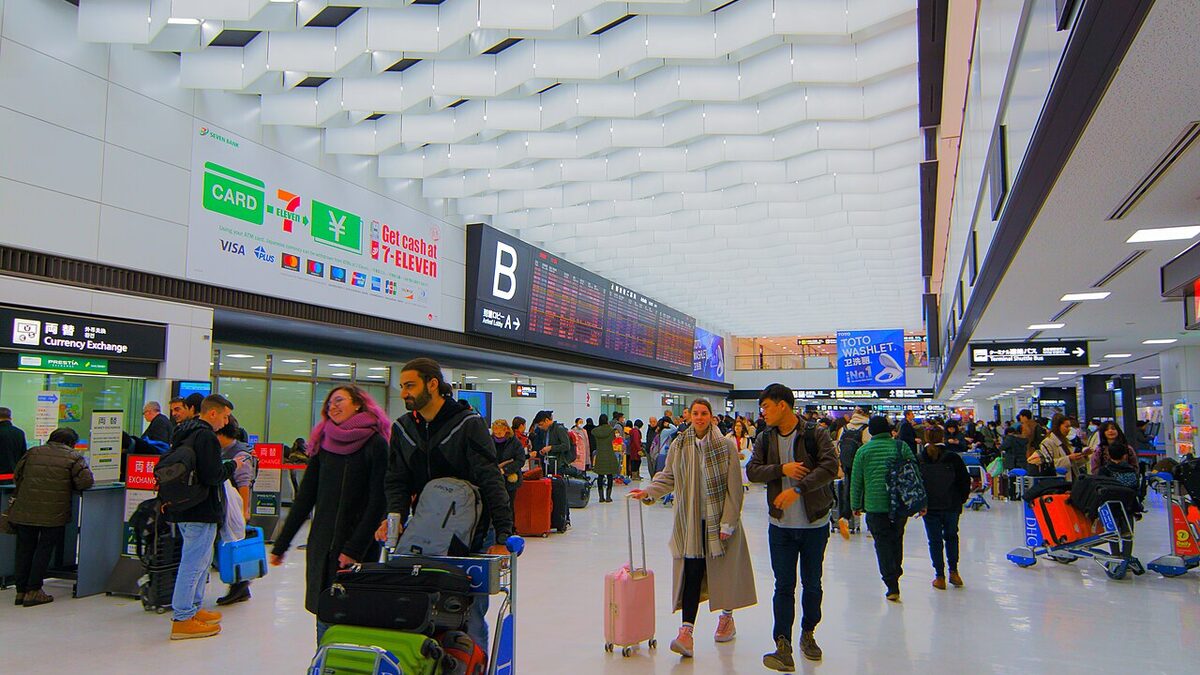
Cover image: Travellers with luggage in the arrival lobby of Tokyo Narita Airport Terminal 2 — photo by Nanashinodensyaku, CC BY-SA 4.0, via Wikimedia Commons.
Typhoon Dujuan battered eastern Japan on Monday, killing at least four people and forcing the country's two biggest airlines to scrap 275 flights. Japan Airlines cancelled 135 flights and All Nippon Airways cut 140 as the storm, packing winds of around 144 kilometres per hour, passed about 130 kilometres south of Katsuura City. More than 1.6 million residents in and around Tokyo were urged to seek safer ground, and over 9,000 households near the capital lost power.
The storm struck on the first day of Japan's three-day silver week holiday, compounding the disruption for domestic travellers. Clean-up began on Tuesday with landslide warnings still active across hillsides destabilised by record downpours. For the travel trade, the message is familiar but urgent: rebooking desks should expect another 24 hours of schedule churn around Tokyo's airports and rail network.
How many flights were cancelled?
The two flag carriers bore the brunt. Japan Airlines called off 135 flights and All Nippon Airways scrapped 140, most of them domestic services touching Tokyo's Haneda and Narita airports on Monday. Railway operators in Tokyo and neighbouring regions suspended services on multiple lines, and the Tokyo Game Show closed early on Monday while a music festival and a baseball game in Chiba were called off.
Travellers with bookings through Tuesday should check flight status before leaving for the airport. Japanese carriers typically rebook storm-hit passengers without change fees, and passenger refund and rebooking rights vary sharply by jurisdiction, so agents should confirm which rulebook applies to each ticket.
How bad was the damage?
Deaths were reported from landslides in Chiba and Kanagawa prefectures near Tokyo, with the toll reaching four by Tuesday afternoon as clean-up crews reached cut-off areas. Only one minor injury and damage to nine homes were recorded in the first wave of reports, but the figures rose as flooded districts were searched.
The rain was the real story. Japan's national weather service warned of record-breaking downpours, saying total rainfall through Tuesday could exceed the average for the whole of September. Low-lying coastal areas and the Miura peninsula in Kanagawa prefecture took some of the worst flooding, and authorities kept landslide alerts in force even as the storm moved away into the Pacific.
Who was told to evacuate?
More than 1.6 million residents in and around Tokyo were urged to evacuate on Monday, according to the Fire and Disaster Management Agency. The advisories were not mandatory, which is standard practice in Japan, but their scale shows how seriously officials took the flood risk. An earlier round of orders covered more than a million people before being widened as rivers rose.
For inbound visitors, the timing could hardly have been worse. The storm landed just as Japan's record inbound-tourism year was filling hotels for the autumn foliage run-up, and late September is a popular shoulder-season window for Japan flights. Hotels in Tokyo reported guests extending stays rather than risking the journey to the airport.
What should travellers and sellers do now?
Short version: build slack into every Tokyo itinerary for the next 48 hours. The storm itself is moving away, but the clean-up tail (crew displacement, aircraft out of position, debris on rail lines) usually outlasts the weather by a day. Sellers should proactively rebook connections with generous margins rather than minimum legal ones, and remind clients that travel insurance bought before the typhoon was named will generally cover the disruption. Disruption playbooks honed during Jakarta's ash-cloud cancellations earlier this month apply here too: warn, rebook early, document everything.
| Impact | Figure | Source |
|---|---|---|
| Deaths | At least 4 | SCMP, 22 Sept |
| JAL cancellations | 135 flights | Mathrubhumi/NewsCentral |
| ANA cancellations | 140 flights | Mathrubhumi/NewsCentral |
| Evacuation advisories | 1.6 million+ residents | Fire and Disaster Management Agency |
| Homes without power | 9,000+ near Tokyo | NewsCentral |
| Peak winds | 144 km/h off Katsuura | Mathrubhumi |
Frequently asked questions
Are Tokyo airports open after Typhoon Dujuan?
Haneda and Narita are operating but with residual delays and some cancellations into Tuesday as airlines reposition aircraft and crews. Check your flight status with JAL or ANA before travelling to the airport, allow extra time for crowded terminals, and expect rail links to run reduced timetables while debris is cleared.
Is it safe to travel to Japan right now?
Yes for most of the country, with caution around Tokyo, Chiba and Kanagawa where landslide warnings remain active. Avoid riverbanks, hillsides and flooded underpasses, follow local authority instructions, and keep a charged phone with emergency alerts enabled. The rest of Japan, including Osaka, Kyoto and Hokkaido, was largely unaffected.
Will airlines refund typhoon-cancelled flights?
Japanese carriers routinely offer free rebooking or refunds when they cancel for weather, and package organisers must offer alternatives or refunds under most consumer regimes. If you chose not to travel on a flight that still operated, normal fare rules usually apply, which is why waiting for the airline to cancel is often the better financial move.
Does travel insurance cover typhoon disruption?
Generally yes if you bought the policy before Dujuan was a named storm and your cover includes weather disruption or trip delay. Keep receipts for hotels, meals and rebooked transport, get written confirmation of the cancellation reason from the airline, and file promptly since documentation requirements are strict.