Minister Naidu says the ministry and DGCA are closely monitoring SpiceJet's finances and operations as its share slid to 1.6% and wages went unpaid since May.
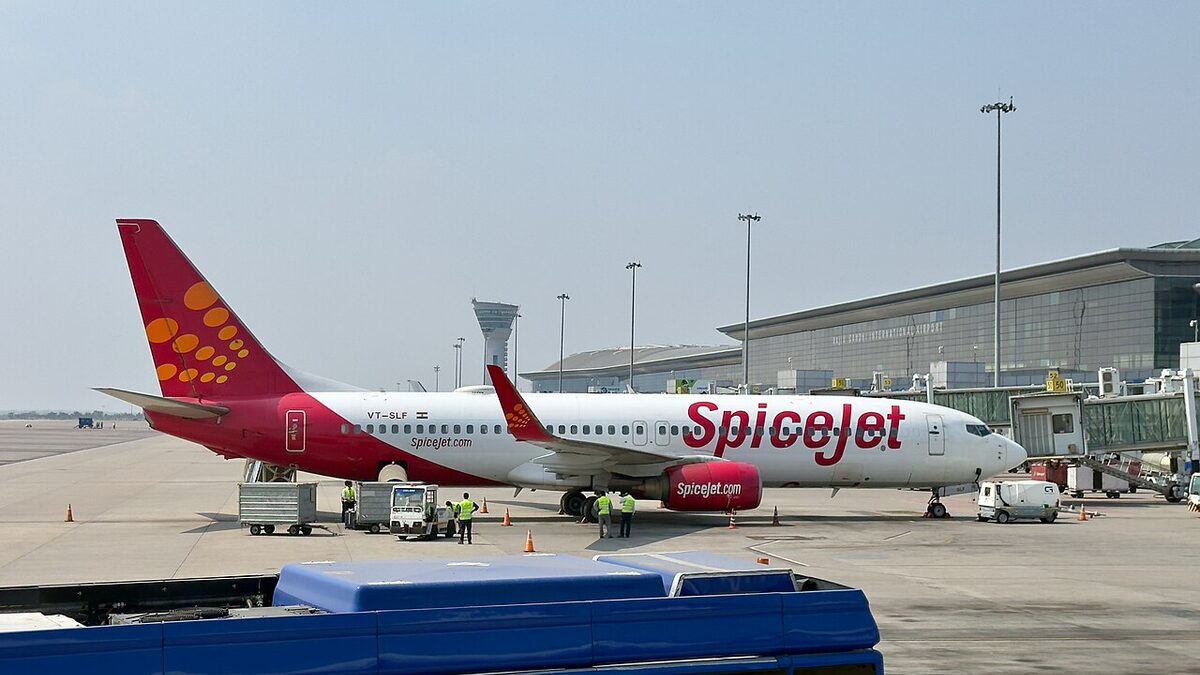
Cover image: A SpiceJet Boeing 737-800 parked at an Indian airport gate — photo by Oleg Yunakov, CC BY-SA 4.0, via Wikimedia Commons.
India's government has put SpiceJet under formal watch, with Civil Aviation Minister K. Ram Mohan Naidu saying the ministry and the regulator are closely monitoring the airline's finances and operations. The Directorate General of Civil Aviation (DGCA) is in regular contact with the carrier and has been told to make sure its cash crisis does not spill over into safety. Passenger safety and regulatory compliance are non-negotiable, the minister said.
The scrutiny is the latest turn in a long slide. SpiceJet's domestic market share has shrivelled to 1.6 percent, only 11 aircraft are in active service, and some staff have reportedly gone unpaid since May. For agents and consolidators, the practical question is whether the airline can crew the winter schedule it is selling, and the monitoring pledge is meant to answer exactly that.
What did the minister actually say?
Naidu said the civil aviation ministry and the DGCA are keeping a close watch on the financial and operational side of SpiceJet as it tries to trade through its difficulties. The DGCA has been instructed to track flight activity and money matters side by side, so that operational strain shows up on the regulator's radar before it becomes a safety finding.
The remarks continue a posture New Delhi has held for months rather than starting a new one. What is new is the context: the government has approved a Rs 5,000 crore targeted credit window for aviation under ECLGS 5.0, aimed at fuel-price pressure, airspace restrictions and the drop in international operations linked to West Asia tensions. SpiceJet is examining support under the scheme, which would be its first structured state-backed lifeline.
How bad are SpiceJet's numbers?
Bad, and getting worse on every axis the trade watches. Market share was 1.6 percent in July, down from 1.9 percent in June and 3.9 percent as recently as February. Tracking site planespotters.net listed just 11 aircraft in service. Sources describe severe cash strain with delayed wages, some employees unpaid since May, and the shares fell 5.32 percent to Rs 8.89 at the close on the day the minister spoke earlier this month.
The airline is not alone in Indian aviation's financial turbulence. Air India itself posted a Rs 22,238 crore FY26 loss, and the DGCA's recent audit turned up serious findings across Indian carriers. But SpiceJet's combination of a shrinking fleet and a shrinking share is uniquely acute among scheduled operators.
| Metric | Figure | Period |
|---|---|---|
| Domestic market share | 1.6% | July 2026 (3.9% in Feb) |
| Active aircraft | 11 jets | September tracking |
| Unpaid wages | Some staff since May | Reported September |
| Share price | Rs 8.89, down 5.32% | 11 September close |
| Leased jets due | 20 (15 Boeing, 5 Airbus) | Mid-Oct to mid-Nov |
| Sector credit window | Rs 5,000 crore | ECLGS 5.0, approved |
Can the winter fleet rebuild save it?
SpiceJet announced on 3 September that it had finalised rental deals for 20 aircraft, a mix of 15 Boeing and 5 Airbus jets on damp and wet leases, phased into the fleet between mid-October and mid-November. The timing targets the winter peak starting with the Durga Puja period, when yields are strongest and grounded capacity hurts most. More on the lease structure is in our earlier piece on SpiceJet's 20-aircraft winter deal.
Leased lift buys seats but not trust. Wet-leased aircraft arrive with foreign crews, which eases the pilot roster but adds dollar cost at exactly the moment cash is shortest. The DGCA will be watching utilisation and dispatch reliability as the aircraft arrive, and the minister's statement puts the airline on notice that the regulator sees the same numbers the market does.
What should trade partners do?
Keep selling SpiceJet where the price is right, but protect the downside. Prefer refundable or flexible fares for peak-season bookings, warn clients about the small but real risk of schedule changes as the fleet rebuild slips or stretches, and have re-accommodation options ready on the big trunk routes. The monitoring regime cuts both ways: it raises the odds of intervention if things deteriorate, which is precisely when agents need a plan B already written.
Frequently asked questions
Is SpiceJet safe to fly right now?
The DGCA says safety oversight is continuous and non-negotiable, and there is no grounding order or safety directive against the airline. The regulator is explicitly tracking whether financial strain affects operations, which is the right tripwire. Passengers should feel no different about boarding a SpiceJet flight today than last month.
Will SpiceJet collapse?
There is no official suggestion of that, and the airline has a fleet-rebuild plan plus a possible state-backed credit line in view. But the trajectory is poor: share has more than halved since February and the active fleet is a fraction of its registered one. The honest answer is that survival depends on the winter leases arriving on time and filling at peak fares.
What is ECLGS 5.0?
The fifth version of the Emergency Credit Line Guarantee Scheme, with Rs 5,000 crore earmarked for aviation to cushion fuel costs, airspace restrictions and reduced international flying tied to West Asia tensions. Government backing lowers lenders' risk, so it can unlock working capital that commercial banks would otherwise refuse a stressed borrower.
Should agents stop booking SpiceJet?
No, but book defensively: flexible fares, buffer connections, and documented alternatives on trunk routes. Monitor DGCA statements and the airline's fleet-induction timeline through October. If the 20 leased jets arrive as scheduled, the risk profile improves materially for the winter season.