Egypt is Level 2 with most governments: Cairo, Luxor and the Red Sea resorts sit outside every no-go zone. What the advisories actually say, area by area.
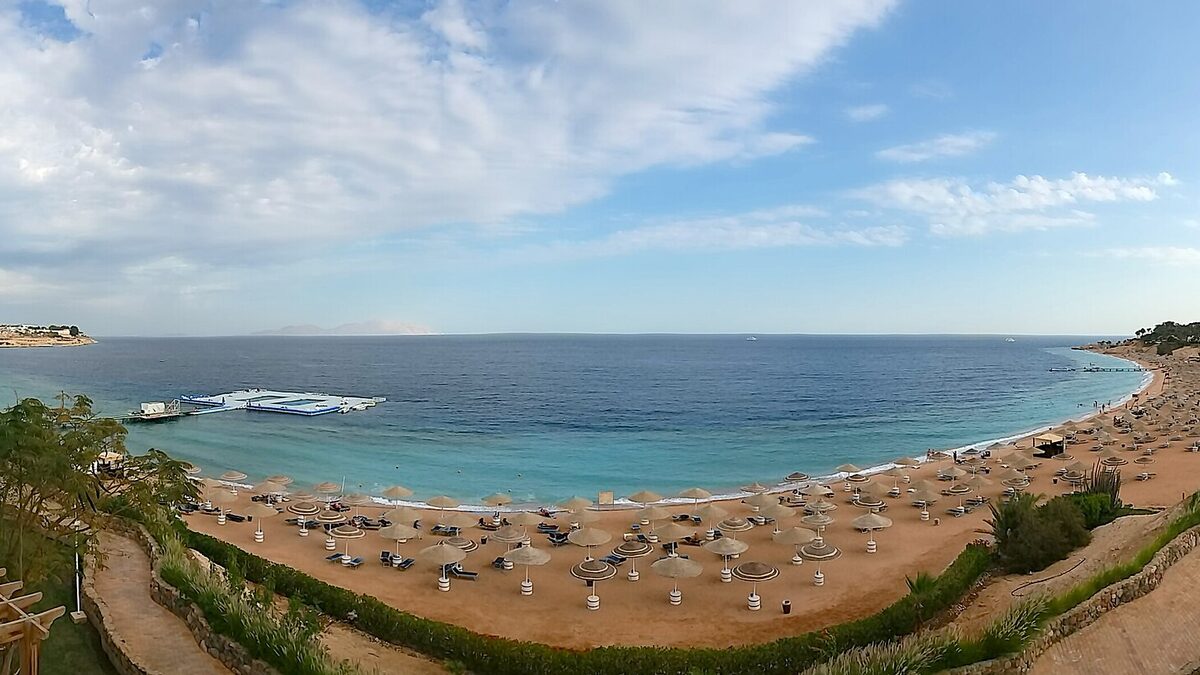
Cover image: Coral Bay beach in Sharm el-Sheikh, Egypt — photo by 74papa, CC BY 4.0, via Wikimedia Commons.
Yes, Egypt is safe to visit right now for most tourist itineraries, with important exceptions. The United States rates Egypt Level 2 (exercise increased caution), and the UK and Canada apply the same general rating while telling their citizens to stay out of specific zones: North Sinai, the Western Desert near the Libya border, and parts of northern South Sinai. Cairo, Luxor, Aswan and the Red Sea resorts of Sharm el-Sheikh and Hurghada all sit outside those no-go areas, and Egypt welcomed a record 19 million visitors in 2025 on its way to a 21 million target for 2026. The Grand Egyptian Museum finally opened its doors in November 2025, adding a major new draw at Giza.
The short version: go to the Nile Valley and the Red Sea coast with normal big-city caution, buy insurance that actually covers Egypt, and do not freelance into the desert border regions the advisories name. What follows is what each advisory says, where the lines are drawn, and how to travel sensibly inside them.
What the official advisories say about Egypt
Four governments say broadly the same thing, with slightly different maps. None of them tells citizens to avoid Egypt altogether. The table below summarises the current position.
| Country | Overall rating | Areas to avoid |
|---|---|---|
| United States | Level 2: exercise increased caution (unchanged since a July 2025 downgrade from Level 3) | Do-not-travel sub-zones in northern and Middle Sinai and parts of the Western Desert |
| United Kingdom (FCDO) | No blanket warning; regional advice only | All travel: North Sinai and within 20 km of the Libya border. All-but-essential: northern South Sinai beyond the St Catherine-Nuweibaa road, Ismailia east of the Suez Canal, desert west of the Nile Valley (with named exceptions) |
| Canada | Exercise a high degree of caution, updated 9 September 2026 | Avoid all travel: northern Sinai and the Western Desert/Libyan border area. Avoid non-essential travel: northern South Sinai |
| Australia | Exercise a high degree of caution | Do-not-travel areas mirror the UK and Canadian maps (Sinai, border zones) |
The pattern matters more than any single rating. Every advisory draws the line in the same places, and every mainstream tourist destination falls on the safe side of it. Travellers who ran into trouble in recent years were overwhelmingly outside the resort and Nile Valley corridors, which is exactly why the entry rules for Egypt matter less than where you go after you land.
Where tourists go versus where the warnings are
Egypt's visitor map and the warning map barely overlap. Cairo's pyramids and museums, Luxor's temples, Aswan and Abu Simbel, and the Red Sea diving resorts are all specifically described by Canada as high-caution destinations rather than avoid zones, meaning normal travel with heightened awareness.
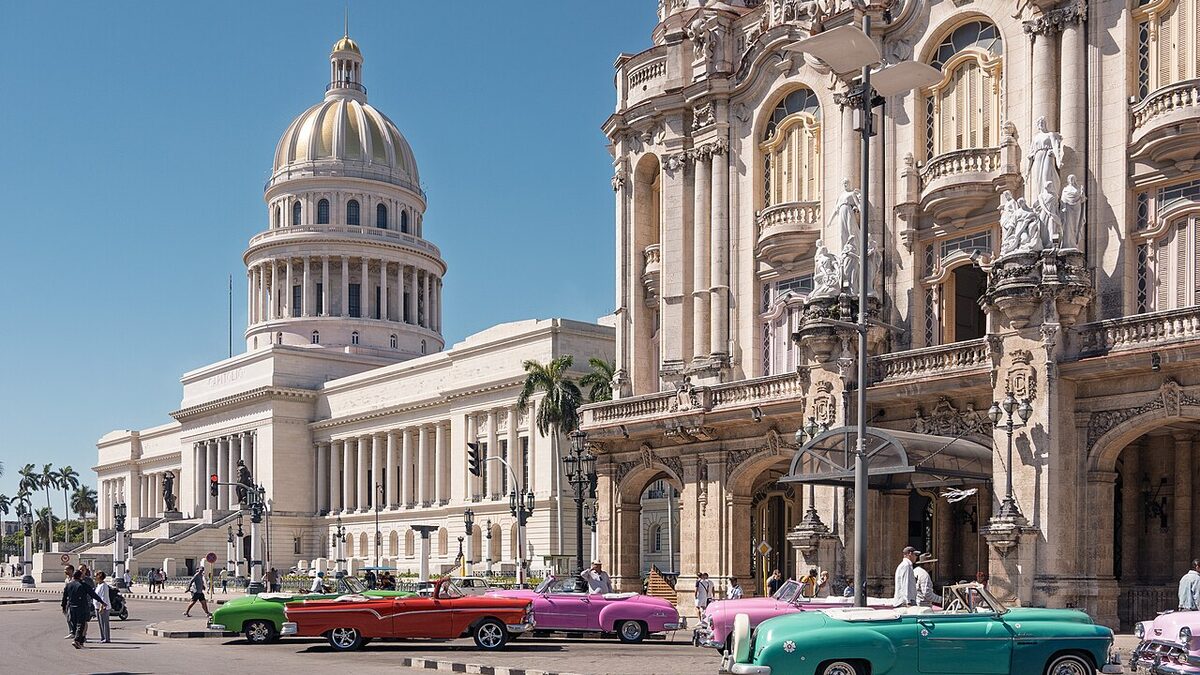
- Cairo and Giza: high caution. Risks named are terrorism against public places, demonstrations, petty crime and hazardous roads. The pyramids, the Egyptian Museum and the new Grand Egyptian Museum at Giza are all open and busy.
- Luxor, Aswan, Abu Simbel: explicitly excepted from the UK's desert-travel warning. Canada advises paying close attention to local conditions in Upper Egypt, where local disputes can turn violent quickly.
- Sharm el-Sheikh and Hurghada: outside every avoid zone. Canada asks for extra care at Red Sea beach destinations including Hurghada and Marsa Alam, noting resorts are largely seen as secure while sporadic attacks have targeted tourists in the past.
- Off limits: the whole North Sinai governorate, desert within 50 km of Libya (Canada) or 20 km (UK), and northern South Sinai away from the coastal strip. These are not places a normal holiday itinerary reaches.
If your trip is Cairo plus a Nile cruise plus a Red Sea week, you never enter a warned-against area. If your plan involves the Western Desert oases beyond Siwa and Bahariya, or independent Sinai travel away from the coast, you are going exactly where the advisories say not to.
Why the Red Sea resorts sit outside the warning zones
Sharm el-Sheikh and Hurghada keep appearing in "is it safe" searches because Sinai as a word sounds alarming. The geography is more precise than that. Sharm sits at the southern tip of the Sinai peninsula on the coast, far from the North Sinai conflict zone, and both the UK and Canadian advice carves the coastal strip out of the northern South Sinai warning. Resort security is visibly heavy, with road checkpoints on the routes from Sharm airport and hotel compounds set back from public roads.
The sea itself deserves the same respect anywhere in the Red Sea. Swim only from hotel pontoons and marked beaches, follow flag warnings, and take local advice on currents and marine life seriously. Canada's advice singles out beach destinations for extra care, and the practical risks at Sharm and Hurghada are sun, water and road safety far more than anything else. The region's flight schedules keep shifting with Middle East airspace conditions, so check current Middle East flight schedules before locking in connections through the Gulf.
How to travel Egypt sensibly right now
Buy insurance that covers the Egypt you are actually visiting. Most standard policies exclude areas where your government advises against all travel. A policy is worthless in North Sinai if your insurer follows the FCDO map, so read the territorial exclusion before you pay, and declare any desert or diving activities.
Use the tourist transport system. Domestic flights between Cairo, Luxor, Aswan, Sharm and Hurghada are cheap and remove the country's worst risk, its roads. Where you travel overland, use hotel-arranged drivers or the tourist buses rather than self-driving at night. Keep copies of your passport separate from the original, as checkpoints are routine.
Dress and behave with the setting in mind. Outside resort compounds, modest dress earns noticeably smoother interactions, and Friday afternoons around mosques are a time to keep plans low-key. Guides are worth the money in Cairo and Luxor for reasons well beyond safety: touts and ticket confusion cost unguided visitors more time than anything else. For a sense of how advisory language translates into trip planning elsewhere in the region, our Thailand safety guide follows the same approach.
Frequently asked questions
Is it safe to travel to Egypt right now as an American or Briton?
Yes for the standard tourist circuit. The US rates Egypt Level 2 and the UK issues no blanket warning; both steer citizens away from North Sinai and the Libya-border desert, which normal itineraries never touch. Cairo, the Nile Valley and the Red Sea resorts remain open and busy.
Is Sharm el-Sheikh safe?
Sharm sits on the southern Sinai coast, outside every advisory's avoid zones, and resort security is heavy. The realistic risks are swimming safety, sun exposure and road transfers, not the insurgency in North Sinai hundreds of kilometres away.
Is Cairo safe for tourists?
Cairo is rated high-caution rather than avoid, with petty crime, demonstrations and dangerous traffic as the named risks. Stay in established districts, use hotel-arranged transport at night, and keep clear of protests.
Will my travel insurance cover Egypt?
It covers the tourist areas under most policies, but nearly all standard cover excludes places your government advises against all travel, such as North Sinai. Check the territorial exclusion wording before buying, especially if your trip includes desert travel or diving.