MPs gave the Visitor Levy (England) Bill a second reading 296–96 on 16 November. Mayors could charge a percentage of room prices with no national cap; committee stage ends by 10 December.
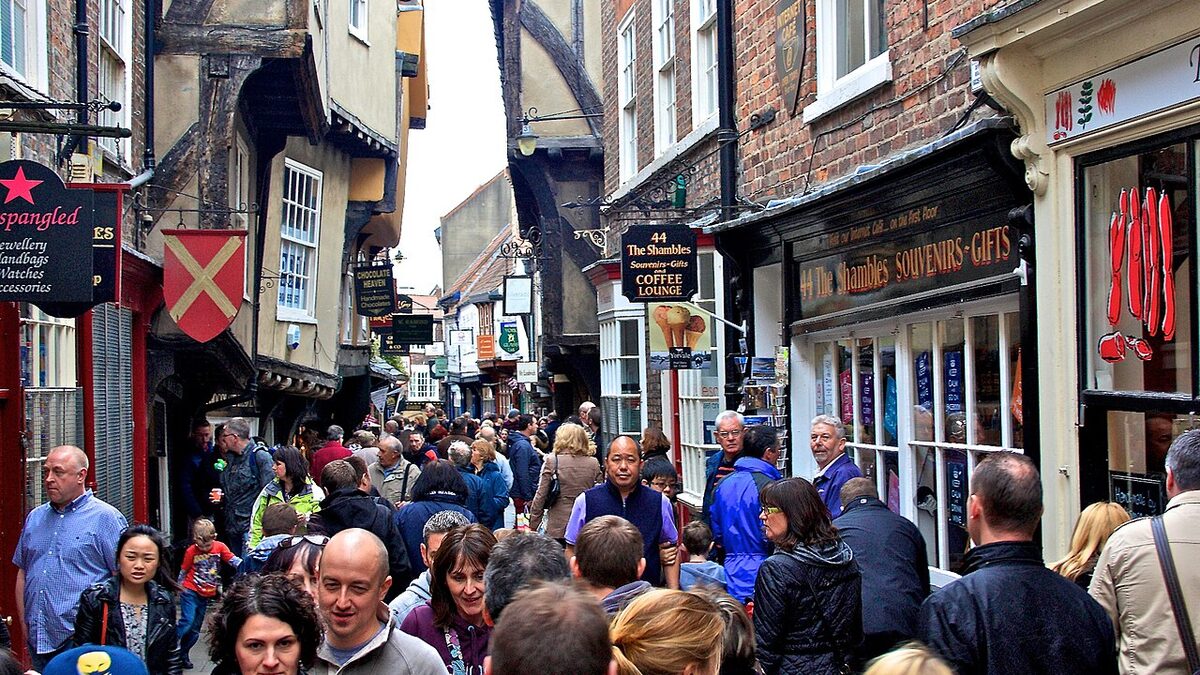
Cover image: The Shambles, York (file photo) — photo by Paul Buckingham, CC BY-SA 2.0, via Wikimedia Commons.
MPs voted 296 to 96 on Monday 16 November to give the Visitor Levy (England) Bill a second reading, moving England closer to an overnight levy like Edinburgh's. Strategic authorities, most led by mayors, could levy a percentage of the accommodation price, with no national cap on the rate, on stays in hotels, short-term lets, hostels, campsites and caravan parks.
It is not law yet. A Public Bill Committee must finish by Thursday 10 December; report stage, third reading and the Lords follow. Angela Rayner, the Housing Secretary sponsoring the Bill, told MPs that local leaders could set out spending plans “by March 2028” and introduce a levy “before the end of this Parliament”.
How did MPs vote on the Visitor Levy (England) Bill?
Labour supplied 290 of the 296 votes in favour, with three Greens and three independents, the division record shows. Most of the 96 against were Conservatives; Reform UK and DUP MPs, and one Liberal Democrat, also voted no.
“A mayor could propose 5%, 7%, 10% or even more,” said Rebecca Paul, the Conservative shadow Secretary of State. The government's September consultation response says it “does not intend to set a cap”, calling the issue “finely balanced”, though it “will continue to consider the case”. Ten mayors have committed to charge no more than 5 per cent, the government says.
How would the overnight visitor levy in England work?
Each authority would set one rate for all seasons and accommodation types, charged only on the first 28 consecutive days of a stay. Student accommodation, care homes, children's homes, school boarding houses, shelters and refuges are exempt nationally, the government says. Mayors could also exempt camping pitches, dormitories or accommodation used by school trips and Scouts, junior minister Sally Jameson said.
Occasional hosts below a set earnings threshold would not pay. Before charging, an authority must publish a draft plan and an impact assessment, and consult.
Liberal Democrat MPs said the Bill's new offences could carry up to 14 years in prison. Jameson said providers “will not face imprisonment for honest mistakes or minor breaches”.
What does it mean for hotels, platforms, tour operators and DMCs?
The accommodation provider is liable: it self-assesses, pays the authority and decides whether to pass the cost on, the consultation response says.
Jameson said the Bill gives providers “significant flexibility” to levy only the accommodation element of a package. The government's response acknowledges that business-to-business room sales, “such as for package holidays”, may require changes to how prices are set, and says it will consider whether booking platforms could help collect the levy.
On VAT, Conservative MP Simon Hoare said the consultation had promised an exemption on the levy and that the Bill was “silent”. The November 2025 consultation paper says that where the levy is passed on, “any VAT payable will be due on the total cost to the visitor”. Wales applies VAT the same way.
Edinburgh's levy applied to bookings made from 1 October 2025 for stays from 24 July 2026, the city council said; Cardiff's applies to bookings from 28 September 2026. The government said in September it would still consider when an English stay becomes liable; inbound operators and DMCs have no rate or start date to price in.
Labour MP Chris Webb, chair of the cross-party hospitality and tourism group, relayed industry fears about competing for conferences and warned against “a patchwork of different processes”.
How does England compare with Edinburgh, Wales and Amsterdam?
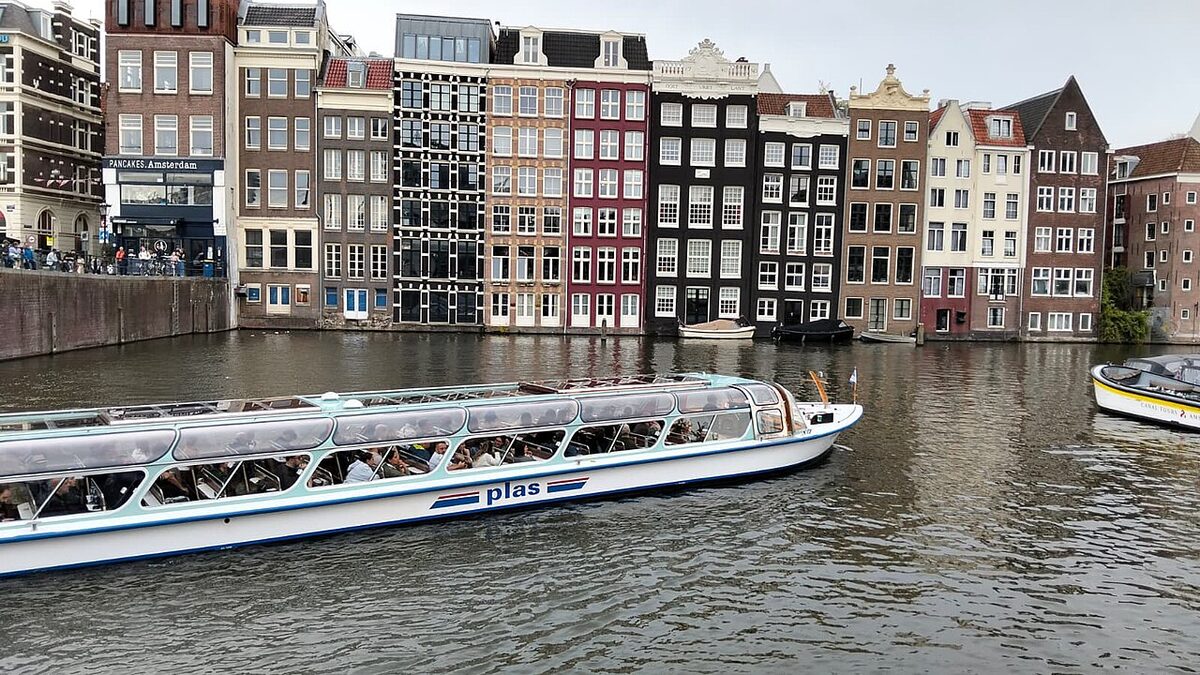
Amsterdam's 2027 budget raises its tourist tax to 16 per cent; our guide to tourist taxes by country covers more cities.
| Destination | How it is charged | Night limit | Status as of 17 November 2026 |
|---|---|---|---|
| England | Percentage set by each authority; ten mayors pledge 5% or less | First 28 consecutive days | Bill at Commons committee stage |
| Edinburgh | 5% of the accommodation cost | Five consecutive nights | In force since 24 July 2026 |
| Cardiff | £1.30 per person per night; 75p for adults in shared hostel rooms and tents | None; bookings of 32 nights or more exempt | Stays from 1 April 2027 |
| Amsterdam | 12.5% of the room price before VAT | None in the city's by-law | 16% from January 2027 in the 12 November budget; by-law not yet published |
Liverpool City Region mayor Steve Rotheram says a levy there could raise up to £18 million a year. Opponents cite Oxford Economics modelling, quoted by Paul, that a 5 per cent levy across England could mean £1.8 billion less tourism spending and almost 33,000 fewer jobs by 2030. MPs said no national impact assessment had been published.
Frequently asked questions
Is there a tourist tax in England now?
Not yet. The Bill must still clear committee, report stage, third reading and the Lords before authorities gain the power. Manchester already has an industry-led £1 per room per night charge, which raised £2.8 million in its first year, the government says.
When could England's overnight visitor levy start?
No date has been set. If the Bill passes, local leaders could set out spending plans by March 2028 and introduce a levy before the end of this Parliament, Angela Rayner told MPs. Each area must consult first.
How much would the England visitor levy cost per night?
Each area would set its own percentage. There is no national cap, but ten mayors have pledged to charge no more than 5 per cent. At that rate, a £150 room night would carry a £7.50 levy, before any VAT.
Who pays the levy, the hotel or the booking platform?
The accommodation provider is liable and may pass the cost on to guests. The government says it will consider whether booking platforms could help collect the levy.
Sources
- UK Parliament, Commons division 2481
- Hansard, second reading debate
- GOV.UK, Visitor Levy Bill introduced
- GOV.UK, consultation response
- GOV.UK, consultation paper
- Edinburgh Council, levy in effect
- Welsh Revenue Authority, levy rates
- Welsh Revenue Authority, VAT on the levy
- Welsh Revenue Authority, Cardiff checklist
- Amsterdam tourist tax by-law 2024 (in Dutch)