Cruise ships are cashless - your cash goes to porters, port days, extra tips and the casino. A realistic per-day breakdown: $100-200 per port day, $2-3 per bag for porters.
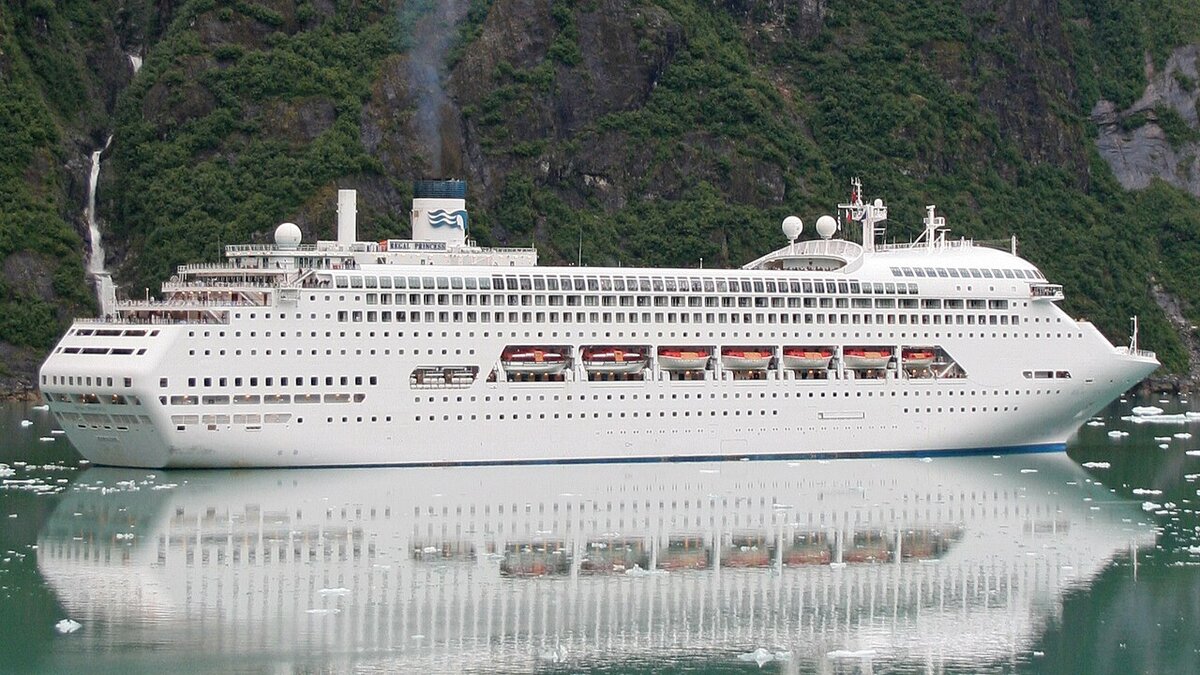
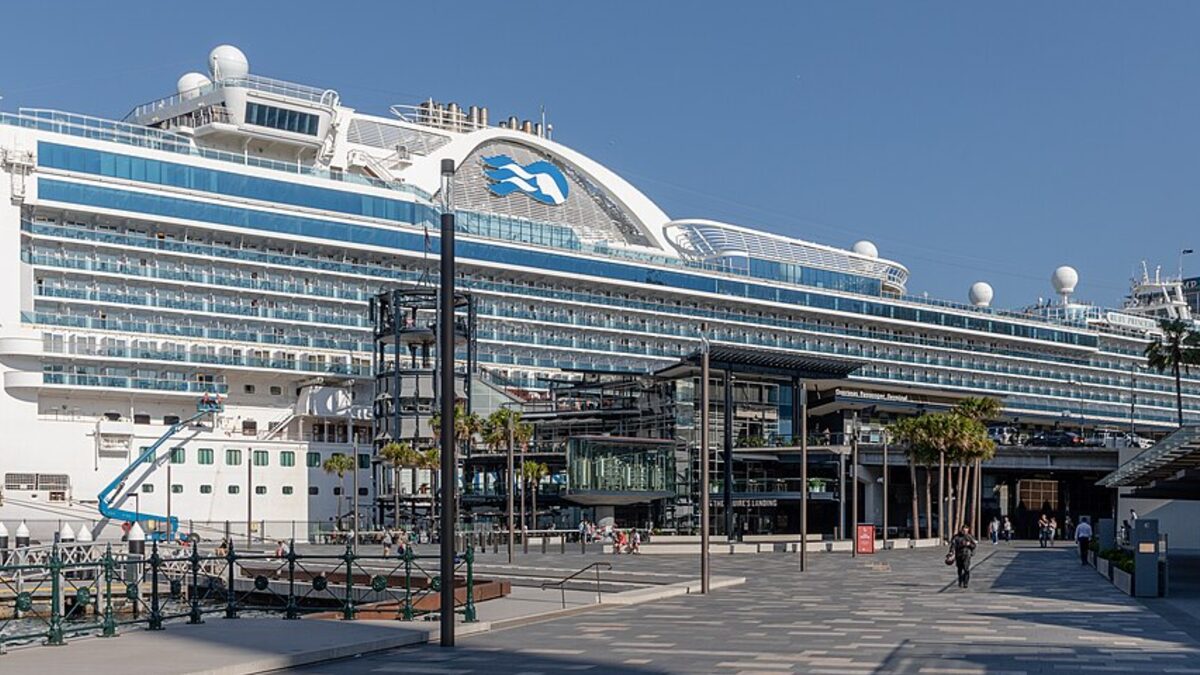
Cover image: Ruby Princess cruise ship docked at the Overseas Passenger Terminal in Sydney — photo by Dietmar Rabich, CC BY-SA 4.0, via Wikimedia Commons.
For a typical week-long cruise, bring $150 to $300 in cash per person — mostly in small bills — and you will be covered for tips, port days and the few onboard situations that still involve paper money. The ship itself is effectively cashless: drinks, dining, spa treatments and excursions all go on your onboard account. Cash is for the terminal porter, the taxi in Cozumel and the casino, and experienced cruisers suggest roughly $100–$200 per port day as a working budget.
Here is where that money actually goes, and why the total is smaller than most first-time cruisers expect.
Why cruise ships are (mostly) cashless
Modern cruise ships run on a cashless onboard account. At online check-in you link a credit or debit card, and everything you sign for on board — bars, specialty restaurants, gift shops, shore excursions, laundry — is charged to your room and settled at the end of the sailing with your cabin keycard acting as the payment card. Royal Caribbean's SeaPass system is the best-known example, but Carnival, Norwegian, Princess, Celebrity and Disney all work the same way.
You can fund the account with cash instead of a card, but it is the clunkier option. On Royal Caribbean, a cash account requires no deposit, yet it is reviewed daily by Guest Services, and you must top it up in person once you hit the cash spending limit — $300 for sailings of six nights or fewer, $500 for seven nights or longer. Unless you deliberately want a spending cap, a linked card is simpler.
Where you actually need cash on a cruise
Cash has five real jobs on a cruise, and four of them happen on land:
- Luggage porters at the terminal. The people who take your big bags at the cruise terminal work for tips — $2 to $3 per bag is the customary range, and it is the first cash you will spend before you even board.
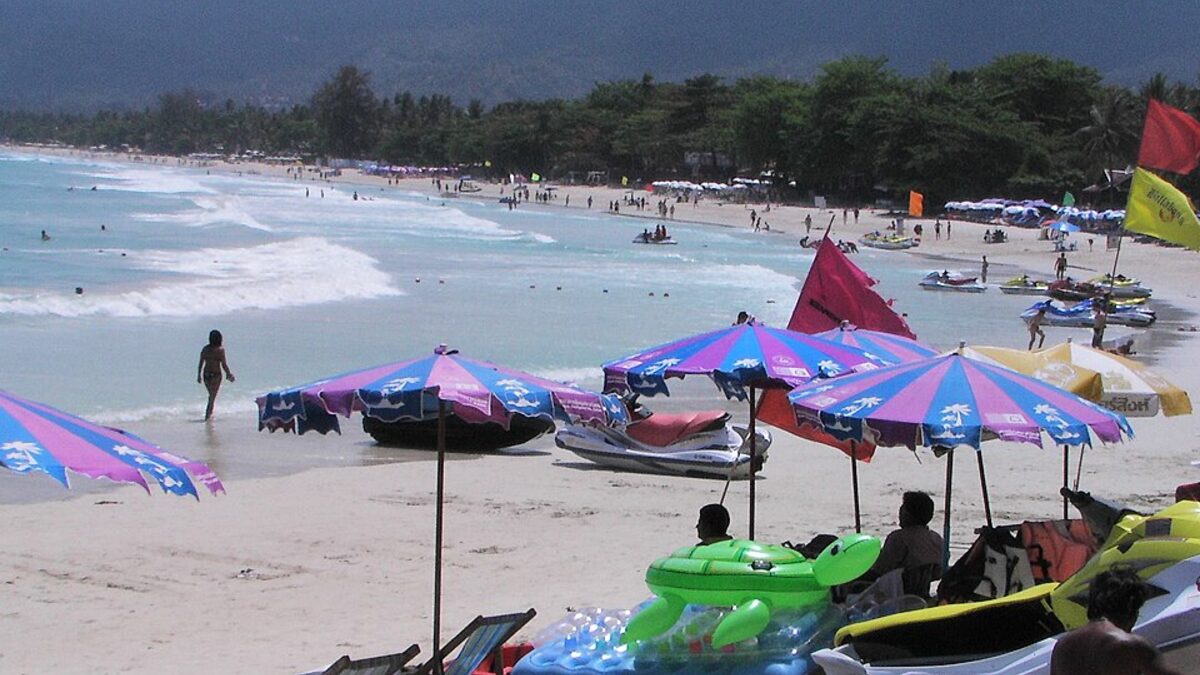
- Port days. Small vendors, beach chair rentals, taxis and market stalls in many ports are cash-first. Cruise-savvy travelers suggest $100–$200 per port day for transport, food and souvenirs; a seven-day cruise with three port days therefore means roughly $300 ashore.
- Extra tips for crew. Automatic gratuities cover the main service team, but cruisers commonly hand extra cash to cabin stewards, specialty waiters and tour guides — singles and fives are the useful denominations.
- The casino. Slots and table games run on cash or casino credit; charging a withdrawal to your onboard account triggers a service fee ($3.00 per transaction on Royal Caribbean).
- Emergencies ashore. A taxi driver who will not take cards, or a small pharmacy in a tender port.
How much cash to bring: a per-cruise breakdown
| Expense | Typical cash amount | Notes |
|---|---|---|
| Terminal porter (embarkation) | $2–3 per bag | Customary tip; bring small bills |
| Port-day spending | $100–200 per port day | Taxis, snacks, souvenirs, beach rentals |
| Extra crew tips | $25–75 per week | Cabin steward, specialty dining, guides |
| Casino float | Whatever you can lose | Or charge to account for a $3 fee |
| Buffer | $50–100 | Unplanned taxi, pharmacy, delay |
Community answers converge on the same ballpark: cruisers report bringing $50–$100 in tips for a week, or budgeting about $125 per day when they want generous tipping and island cash combined. Treat these as ranges, not rules — a port-intensive Caribbean itinerary needs more cash than a scenic sailing with ship-organized excursions that bundle everything into the prepaid fare. If you are still sizing up the trip itself, our breakdown of what a cruise costs per person covers the fare side of the budget, and first-time-cruise planning covers the rest.
Gratuities: cash on top, not instead
Automatic daily gratuities are billed to your onboard account, not paid in cash. As of August 2026, Royal Caribbean charges $18.50 per person per day in standard cabins and $21.00 in suites; you can prepay before sailing or let them post daily. Similar automatic schemes apply across the major lines, and several have raised their rates recently — we track that in our piece on cruise gratuity increases. Cash tips are for service beyond that: the porter who bags your luggage, the bartender who remembers your order, the guide who went off-script for your family. If you are unsure about the etiquette on your line, our guide to tipping on a cruise breaks it down line by line.
ATMs and getting cash mid-cruise
If you run short, every ship has at least one ATM — usually near the promenade or atrium bar — but on Royal Caribbean ships they typically charge $5 to $6 per transaction, plus whatever your own bank adds. The cheaper trick is the casino cage: transfer funds from your onboard account to a slot machine, cash out immediately, and take the ticket to the cage for bills. You pay the casino's service fee instead of the ATM's, and you skip your bank's foreign-transaction charge. Plan ahead, though — the whole point is to need neither.
What currency should you bring?
For a US-departure Caribbean cruise, US dollars are the practical answer: they are widely accepted in Nassau, Roatán, St. Maarten and most other Caribbean ports, and vendors will usually give change in local currency even when you pay in dollars. Buying several currencies before a cruise is wasted effort. Sail from Southampton or Barcelona and the logic flips — carry small amounts of the local currency for your embarkation port, and USD or euros for ports where dollars circulate. Small denominations matter more than the currency itself: $1s and $5s are what tipping actually runs on.
The bottom line: your cruise fare and card cover the ship; cash covers the edges. Two hundred dollars in mixed small bills per adult handles a typical week comfortably, and anything you don't spend goes back in the drawer for the next sailing.
Frequently asked questions
Do cruise ships accept cash?
Onboard, almost nothing is paid in cash — purchases go on your cashless onboard account, funded by card or a cash deposit at Guest Services. Cash is used in the casino, for tips, and ashore.
How much cash should a family of four bring on a 7-day cruise?
Around $600–$900 total: roughly $300 for three port days, $50–100 in tip money, a small casino or buffer amount. Prepaid excursions and drink packages cut that further because the big port expenses are already on your account.
Can I pay my onboard account with cash?
Yes. Royal Caribbean and most lines let you set up a cash account at Guest Services, but it is monitored daily and subject to spending limits ($300 for sailings up to six nights, $500 for seven or more on Royal Caribbean), so you will need to top it up in person as you go.
Is there an ATM on cruise ships?
Yes, usually near the casino or central promenade. Expect a $5–6 fee per withdrawal on top of your bank's charges, which is why experienced cruisers bring cash from home instead.
Do I need local currency for cruise ports?
Rarely. US dollars are widely accepted across Caribbean ports, and change often comes back in local currency. For itineraries outside the dollar zone, carry modest amounts of the embarkation port's currency and rely on cards elsewhere.