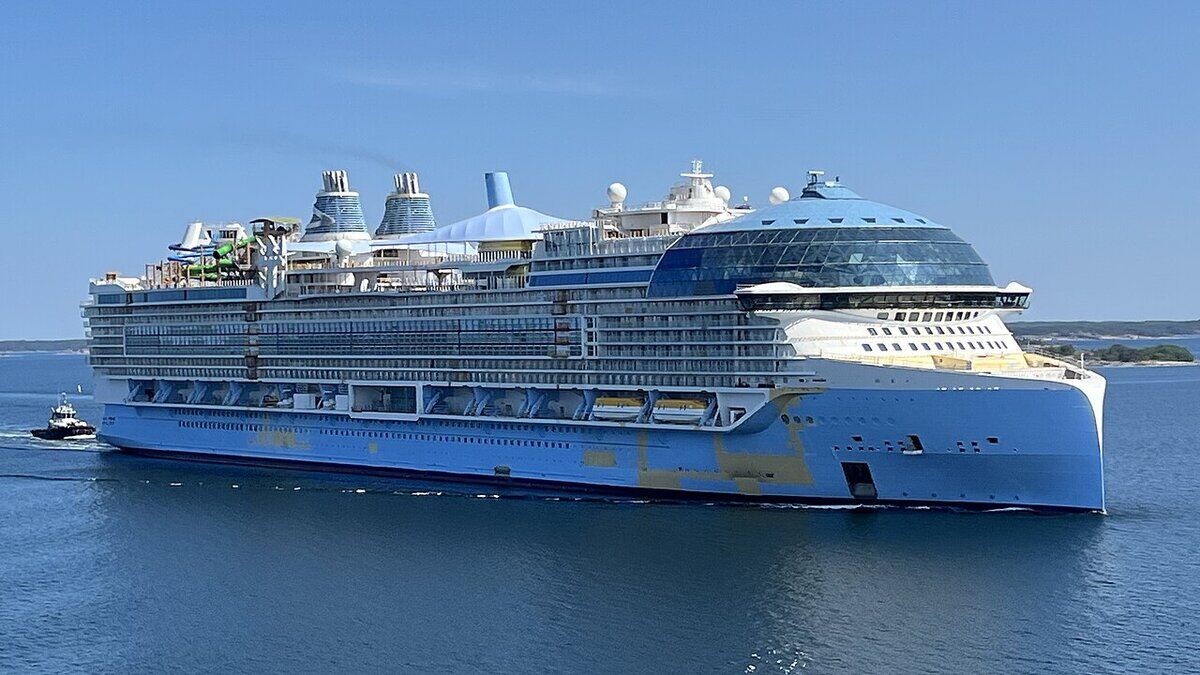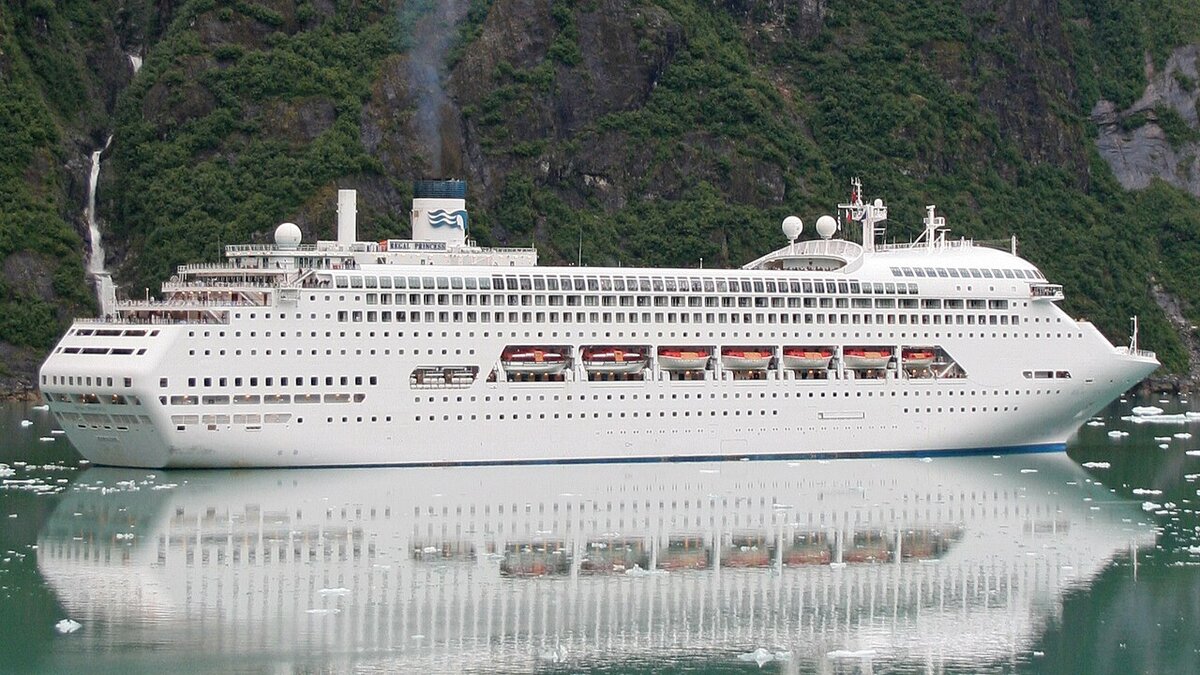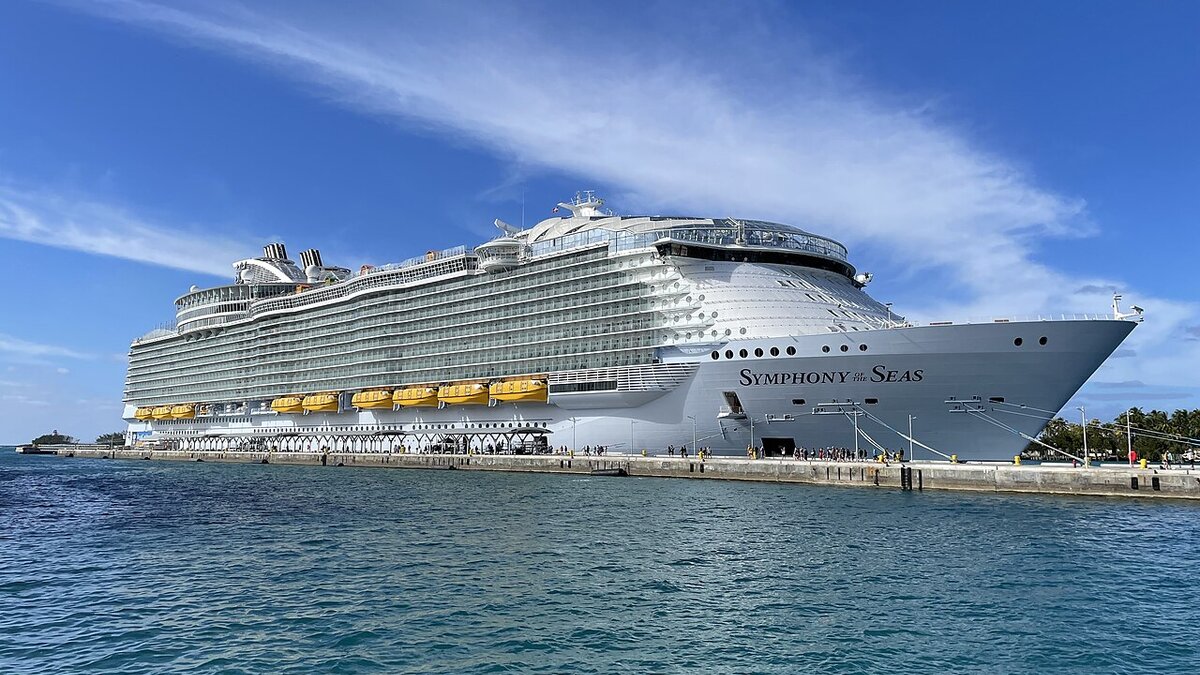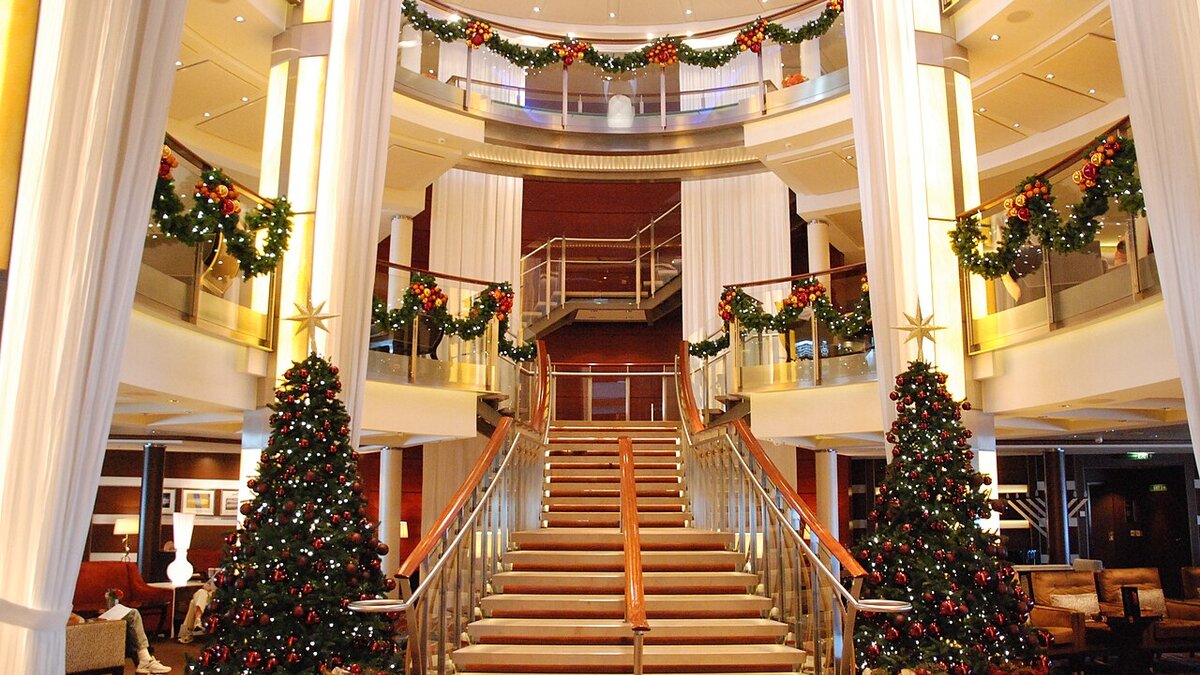
A record 38.3 million people will cruise in 2026, and nearly a third are first-timers. Here is how to choose a line and itinerary, what gratuities, drinks and wifi really cost, and the rookie mistakes to avoid.
Cover image: the deck of a cruise ship at sea — photo by Alistair Paterson from Dunedin, New Zealand, CC BY 2.0, via Wikimedia Commons.
A record 38.3 million people are expected to take an ocean cruise in 2026, and 31 per cent of recent cruisers were first-timers, according to industry body CLIA's 2026 State of the Cruise Industry report. The short version: pick an itinerary of three to seven nights on a mainstream line such as Royal Caribbean, Carnival, MSC or Norwegian; book a midship cabin on a lower deck if motion worries you; and budget well beyond the headline fare. Automatic gratuities now run US$16 to US$20 per person, per day on the major lines, unlimited drinks packages cost roughly US$70 to US$100 per day, and wifi adds US$15 to US$30 per day. The fare covers your cabin, main-dining-room and buffet meals, entertainment and port-to-port transport, so a cruise can still undercut an equivalent land holiday — if the extras do not ambush the final bill.
How do I choose a cruise line and itinerary for a first cruise?
Match the line to how you holiday, not to the loudest advertising. Carnival and Royal Caribbean skew lively and family-friendly; Celebrity, Princess and Holland America are quieter and more food-focused; Norwegian sells flexibility with no fixed dining times; MSC is strong on price in Europe. Luxury lines such as Silversea and Regent bundle almost everything but start at several times the mainstream fare.
For itineraries, the Caribbean and the Mediterranean are the classic starter regions: short flights for most source markets, warm weather and port-intensive routes. A three-to-five-night sailing is a low-risk first test; a seven-night itinerary with two sea days shows what ship life is really like. Caribbean cruising between June and November means hurricane season, although lines reroute rather than cancel, and the below-normal 2026 hurricane forecast from NOAA has made this year's shoulder-season pricing attractive. And as our report on record 2026 cruise passenger numbers shows, peak school-holiday sailings now sell out earlier.
What do cruise cabin categories actually mean?
Every line uses its own codes, but almost all cabins fall into four families — the single biggest lever on price.
- Inside (interior): no window, the cheapest category, often 12 to 17 square metres. Fine if the cabin is only for sleeping.
- Oceanview (outside): a sealed window or porthole. Daylight, modest premium over inside.
- Balcony (veranda): a private outdoor space, the first-timer sweet spot on scenic itineraries, usually 30 to 60 per cent more than an inside.
- Suite: more space plus perks such as priority boarding, dedicated restaurants or butler service.
Location matters as much as category: a "guarantee" cabin (the line picks the room) is cheaper but can land you below a pool deck or above the theatre — the classic noise traps.
What is included in a cruise fare, and what costs extra?
Included on mainstream lines: accommodation, main dining room, buffet, most entertainment, kids' clubs, pools and gyms. Not included: alcohol and speciality coffee, wifi, speciality restaurants, shore excursions, spa treatments, casino play and, crucially, service gratuities added automatically to your onboard account. Travel Market Report's 2026 comparison of published rates shows how the daily charges stack up.
| Cruise line | Standard cabin gratuity (pp/day) | Suite gratuity (pp/day) |
|---|---|---|
| Disney Cruise Line | US$16.00 | Higher, category-based |
| Carnival (from 2 April 2026) | US$17.00 | US$19.00 |
| Princess Cruises | US$18.00 | Higher, category-based |
| Royal Caribbean | US$18.50 | US$21.00 |
| Norwegian Cruise Line | US$20.00 | US$25.00 |
On drinks, Carnival's Cheers! package is US$69.95 per person per day, while Princess bundles drinks, wifi and gratuities into Plus and Premier fares from about US$77 per day. A couple drinking two or three cocktails each daily may be better off paying per drink, and buying packages in the pre-cruise planner rather than onboard typically saves 10 to 30 per cent. Onboard spending is where the margin lives, as our explainer on how cruise lines make money sets out.
What happens on embarkation day?
Complete online check-in and download the line's app a few days before sailing; you will select an arrival window, usually between 11:00 and 14:00. At the terminal, security screens your bags, staff check your passport and register a payment card, and you walk aboard, often within 30 minutes. Cabins open from about 13:30, checked luggage arrives during the afternoon, and the ship sails around 16:00 or 17:00.
The muster drill — now an app-based "e-muster" on most major lines — is compulsory: watch the safety briefing and check in at your assembly station before departure. Carry documents, medication and swimwear in a day bag; your suitcase may not appear until dinner time.
Will I get seasick, and what do first-timers get wrong?
For most passengers on modern ships, seasickness is mild or absent. Retractable fin stabilisers can cut a ship's roll by up to 90 per cent, and vessels displacing 100,000-plus tonnes shrug off moderate seas. If you are prone, book midship on a lower deck, where movement is least, and pack tablets or patches; open-ocean crossings and small ships move far more than Caribbean island-hopping on a megaship.
The classic first-timer mistakes are logistical, not nautical. Flying in on sailing day is the biggest: one delayed flight and the ship leaves without you, with no obligation to wait. Arrive the night before. Others include skipping travel insurance even though medical evacuation at sea can run to six figures (our guide to what travel insurance actually covers explains the cruise-specific clauses to look for), ignoring the daily programme and missing show bookings, underestimating how quickly a bar tab compounds, and cutting a self-organised shore excursion too close to all-aboard time. The ship waits for its own delayed tours; it does not wait for your rental car.
Frequently asked questions
How much should I budget on top of the cruise fare?
A realistic rule of thumb is 30 to 60 per cent of the fare again. Gratuities of US$16 to US$20 per person per day are near-universal, and drinks, wifi, excursions and speciality dining scale with your habits.
Can I remove automatic gratuities?
On most US-market lines, yes: guest services can adjust or remove them on request, as The Points Guy's tipping guide notes. Crew pay structures assume the charge, however, so most travellers leave it in place. Some lines, and many UK and Australian fares, now bundle gratuities into the price instead.
Do I need a passport for a cruise?
For international itineraries, yes, generally valid for six months beyond the trip. US citizens on "closed-loop" sailings that start and end at the same US port can sometimes use a birth certificate and photo ID, but a passport is strongly advised in case you must fly home from a foreign port.
What is the best first cruise length?
Three to five nights is a cheap, low-commitment trial, but a seven-night sailing with a couple of sea days gives a truer picture of ship life. Nearly 90 per cent of cruisers tell CLIA they intend to sail again.