India is renaming its Tourist Visa the Visitor Visa, with 30-day V-1 and multi-year V-2 versions, and cutting visa categories from 13 to nine. Fees and stay limits are not yet known.
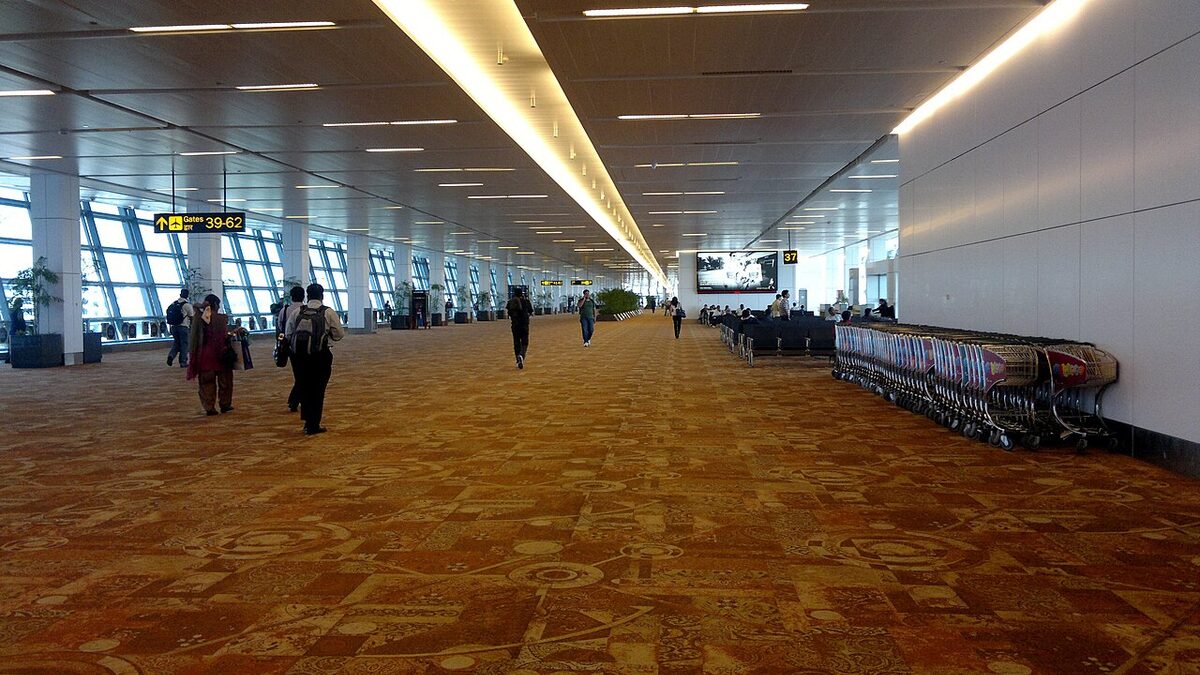
Cover image: Inside Terminal 3 at Indira Gandhi International Airport, Delhi (file photo) — photo by Ramesh NG, CC BY-SA 2.0, via Wikimedia Commons.
India is retiring the name Tourist Visa. The Ministry of Home Affairs said on 11 November that the category becomes the Visitor Visa, split into a 30-day V-1 and a longer V-2 valid for one, five or 10 years, and that the number of main visa categories has been cut from 13 to nine and sub-categories from 49 to 23. Application forms lose 65 to 70 per cent of their fields.
None of it can be applied for yet. The ministry said it is updating its IT systems and that "by year-end, visas will be granted as per new rationalization". For overseas operators and agents selling India, the practical change is that a client who adds a business meeting or a clinic consultation to a holiday should no longer have to choose between visa types. Fees, stay limits and eligibility for the longer visas have not been published.
What is the India Visitor Visa, and how do V-1 and V-2 differ?
The ministry's statement says the Tourist Visa has been renamed to reflect "a broader range of permitted purposes beyond conventional tourism". V-1 is granted for 30 days with multiple entries. Besides tourism it covers business meetings, medical consultations, wellness retreats, short-duration medical treatment and short courses in Indian languages, music, art and craft.
V-2 is for longer visits, with validity of "1, 5 or 10 years, as specified". It covers everything V-1 does plus mountaineering, for which a six-month, multiple-entry visa will be issued. Transit also sits in the Visitor category.
Conferences do not. The statement lists attending conferences, along with sports, performances and film shoots, under the short-term B-2 Business Visa, so organisers of meetings, incentives, conferences and exhibitions should not assume a V-1 will do for delegates.
| Point | V-1 | V-2 |
|---|---|---|
| Validity | 30 days | 1, 5 or 10 years, "as specified"; 6 months for mountaineering |
| Entries | Multiple | Multiple for mountaineering; otherwise not disclosed |
| Extra activities named | Business meetings, medical consultations, wellness retreats, short treatment, short courses | All V-1 activities plus mountaineering |
| Maximum stay per visit | Not disclosed | Not disclosed |
| Fee | Not disclosed | Not disclosed |
| Nationalities eligible | Not disclosed | Not disclosed |
| Available as an e-visa | Not disclosed | Not disclosed |
What has the ministry not said?
The statement gives no fees and no go-live date beyond "year-end". It does not say which nationalities can obtain the five- and 10-year versions, describing V-2 only as a convenience for "eligible repeat visitors". Nor does it say what happens to tourist visas already issued.
Stay limits are the gap that matters most for itineraries. VisasNews, a visa news site, noted that the announcement "does not yet specify all the conditions governing stays under the various V-2 options".
The e-visa is the other unknown. The ministry said e-visas are processed under 13 sub-categories for nationals of 172 countries, without explaining how they map to V-1 and V-2. As of 13 November 2026 the Bureau of Immigration's portal still lists 30-day, one-year and five-year e-Tourist visas, the two longer ones capped at 180 days in India per calendar year, plus a six-month one for mountaineering and trekking expeditions. No 10-year visa is offered online. The portal's other requirements stand, including six months of passport validity and an e-Arrival card filed within 72 hours before arrival, India's counterpart to the digital arrival cards used elsewhere in Asia.
Why has India cut its visa categories from 13 to nine?
The ministry dates the reduction to 27 August 2026 and says it studied visa systems in developed countries. It is the second cut in about a year: in October 2025 main categories went from 22 to 13 and sub-categories from 63 to 49. Together the two rounds took main categories from 22 to nine.
The nine categories are Business, Diplomatic, Work, Journalist, Medical, Official, Student, Visitor and Miscellaneous. Medical visas for conventional treatment (M-1) and treatment under AYUSH, India's traditional medicine systems (M-3), will run for one year with multiple entries by default.
How has the travel trade reacted?
The Indian Association of Tour Operators (IATO) welcomed the move. Its president, Ravi Gosain, called it a "much-needed simplification of India's visa procedures", trade title TravTalk reported, and said cumbersome procedures had often been a concern for international travellers and overseas tour operators.
Whether the new visas are live when buyers and suppliers meet at India's travel trade shows early in 2027 depends on the IT work finishing on schedule. SATTE opens in New Delhi on 19 January 2027.
Frequently asked questions
When does the India Visitor Visa start?
No start date has been set. India's Ministry of Home Affairs said on 11 November 2026 that it is updating its IT systems and that visas will be granted under the new categories by the end of 2026. As of 13 November 2026 the official e-visa portal still lists the e-Tourist Visa.
Who can get a 10-year India Visitor Visa?
Not yet known. The ministry said the V-2 Visitor Visa will be valid for one, five or 10 years, as specified, and described it as an option for eligible repeat visitors. It did not say which nationalities qualify, what it costs or how long a holder may stay per visit.
Does the India Visitor Visa cover business meetings?
Yes, according to the ministry. The 30-day V-1 covers business meetings, medical consultations, wellness retreats, short medical treatment and short courses, alongside tourism. Attending conferences is listed separately under the short-term B-2 Business Visa, so conference delegates should wait for the detailed rules.
Has the India e-Tourist visa changed?
Not yet. The ministry said e-visas are issued under 13 sub-categories to nationals of 172 countries, but it did not explain how they will be relabelled. On 13 November 2026 the official portal still offered 30-day, one-year and five-year e-Tourist visas. A 10-year option is not offered online.