Tipping is not practised in Japan and is usually politely refused. Here is why, where a service charge does appear on the bill, and the few genuine exceptions.
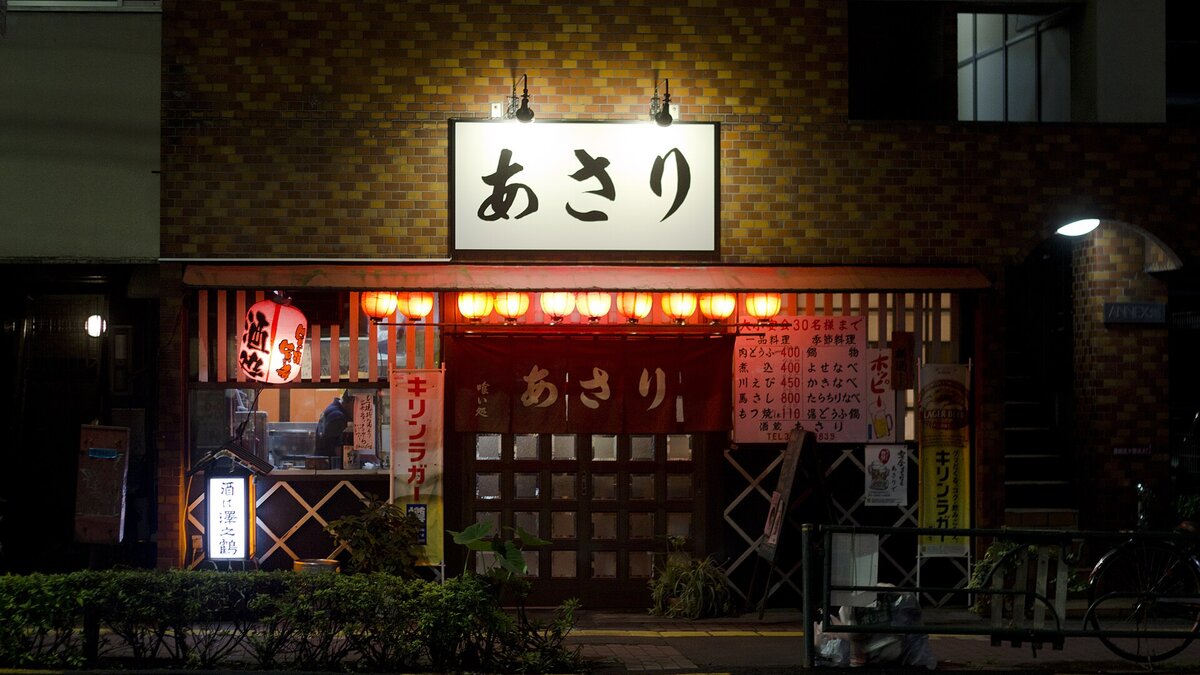
Cover image: A traditional izakaya exterior in Tokyo lit by red lanterns at night — photo by Japanexperterna.se, CC BY-SA 3.0, via Wikimedia Commons.
Do you tip in Japan? The short answer is no — tipping is not practised in Japan, and in almost every everyday situation it will be politely refused. Leave a few coins on a restaurant table and there is a fair chance a member of staff will chase you down the street to return your "forgotten" money. This is not false modesty. Good service in Japan is considered part of the job and part of the price, wrapped up in the hospitality philosophy of omotenashi — anticipating a guest's needs without expecting anything extra in return. The Japan National Tourism Organization is explicit that tipping is not customary in bars, cafes, restaurants, taxis or hotels. There are a handful of genuine exceptions — private guides, high-end ryokan attendants, geisha entertainment — and a right way to handle them, which this guide covers below.
Why is there no tipping in Japan?
Three reasons. First, service is built into the price: staff are paid a full wage that does not depend on gratuities, so there is no tip-dependent pay structure to subsidise. Second, omotenashi frames excellent service as a matter of professional pride, not a performance to be rewarded; handing over extra cash can even imply the listed price was not fair, or leave staff worrying you have miscounted your change. Third, tips create practical headaches — they are taxable income in Japan and many employers would have to pool and declare them centrally rather than let individual staff keep them.
If you want to show appreciation, say "gochisosama deshita" ("thank you for the meal") on the way out of a restaurant, or a warm "arigato gozaimasu" anywhere else. That lands far better than money.
What is the service charge on my hotel or restaurant bill?
Two charges routinely confuse visitors, and neither is a tip. Upscale hotels, ryokan and high-end restaurants commonly add a 10–15% service charge (sabisu-ryo) to the bill — a fixed, itemised fee, not a discretionary gratuity, and no further payment is expected on top. Separately, at an izakaya you will usually be charged an otoshi or tsukidashi — a small per-person seating charge, typically a few hundred yen, that arrives as a little appetiser you did not order. It is standard practice, not a scam and not a tip.
When is tipping acceptable in Japan?
A few situations exist where a gratuity is a recognised gesture rather than a faux pas:
Private tour guides and interpreters working with foreign visitors are used to international habits, and JNTO notes they may accept a tip as a token of appreciation. Around ¥1,000–¥2,000 per person per day, or roughly 10%, handed over in an envelope at the end of the tour, is a common guideline. Buying your guide lunch is an equally appreciated alternative.
High-end ryokan with a personal attendant (nakai-san) — the member of staff who serves in-room meals and lays out your futon — are the home of kokorozuke, a traditional "gratuity from the heart". Unlike Western tipping it is given at the start of the stay, typically a few thousand yen in a decorative pochi-bukuro envelope (about ¥100–¥200 at any convenience store), offered with both hands and a slight bow when you are shown to your room. It is entirely optional, and many modern ryokan will decline it.
Geisha and maiko entertainment at private dinners also traditionally involves kokorozuke, usually arranged through the booking house.
The mechanics matter as much as the money: never hand over bare cash. Envelope, both hands, slight bow. The same logic explains the small cash trays at shop tills across Japan — place your money on the tray rather than passing it hand to hand.
Tipping in Japan: situation by situation
| Situation | Tip? | What to do instead |
|---|---|---|
| Restaurant / izakaya | No — likely refused | Say gochisosama deshita; expect an otoshi seating charge at izakaya |
| Taxi | No | Round nothing — pay the meter; drivers return exact change |
| Hotel porter / housekeeping | No | A verbal thank-you; a 10–15% service charge is often already on the bill |
| Ryokan attendant (nakai-san) | Optional kokorozuke at top-end inns | A few thousand yen in a pochi-bukuro, both hands, at the start of the stay |
| Private guide / interpreter | Acceptable | ¥1,000–¥2,000 or ~10% in an envelope — or buy them lunch |
| Hairdresser / spa | No | Rebook and leave a good review |
| Food delivery | No | Nothing expected; some apps have optional in-app tips foreign users enable |
Are tip jars changing the rules in 2026?
Japan's record inbound boom — the country logged an all-time visitor record in 2026, with monthly arrivals still setting highs this summer — has produced scattered tip jars beside tills in tourist-heavy districts such as Asakusa and Shinjuku, and Japanese media report at least one restaurant chain installing tip boxes for confused foreigners. Commentators including SoraNews24 argue firmly against feeding them: tips are taxed, often pooled by the employer, and risk eroding the very wage structure and service culture that makes tipping unnecessary. The baseline rule for 2026 is unchanged — do not tip in Japan unless you are in one of the specific situations above.
Sorting out your paperwork is a better use of the money: check whether you need a visa for Japan and note that Japan raised its visa fees in July 2026.
Frequently asked questions
Is it rude to tip in Japan?
It is rarely taken as an insult, but it causes confusion and is usually refused — staff may assume you forgot your change and chase after you to return it. In everyday settings (restaurants, taxis, hotels, shops) simply do not tip. A sincere thank-you is the culturally correct gesture.
What is the 10–15% service charge on my hotel bill in Japan?
Upscale hotels, ryokan and high-end restaurants add a fixed service charge (sabisu-ryo) of around 10–15% to the bill. It is an itemised fee built into the price, not a discretionary gratuity, and nothing further is expected on top of it.
How much should I tip a private guide in Japan?
Private guides and interpreters serving foreign visitors are the main accepted exception. Roughly ¥1,000–¥2,000 per person per day, or about 10%, presented in an envelope at the end of the tour, is a common guideline — or buy your guide lunch instead. It remains optional.
What is kokorozuke and how do I give it?
Kokorozuke is a traditional heartfelt gratuity, mainly given at high-end ryokan to a personal attendant (nakai-san). Place a few thousand yen in a decorative pochi-bukuro envelope and hand it over with both hands and a slight bow at the start of your stay, not the end. Never give bare cash.
What is the otoshi charge at an izakaya?
Otoshi (or tsukidashi) is a small per-person seating charge at izakaya, usually a few hundred yen, delivered as a small unordered appetiser. It functions as a cover charge, appears on the bill automatically and is standard practice — it is not a tip and not a tourist scam.