June-August for the midnight sun and highlands, November-February for auroras and ice caves; September and May strike the best balance.
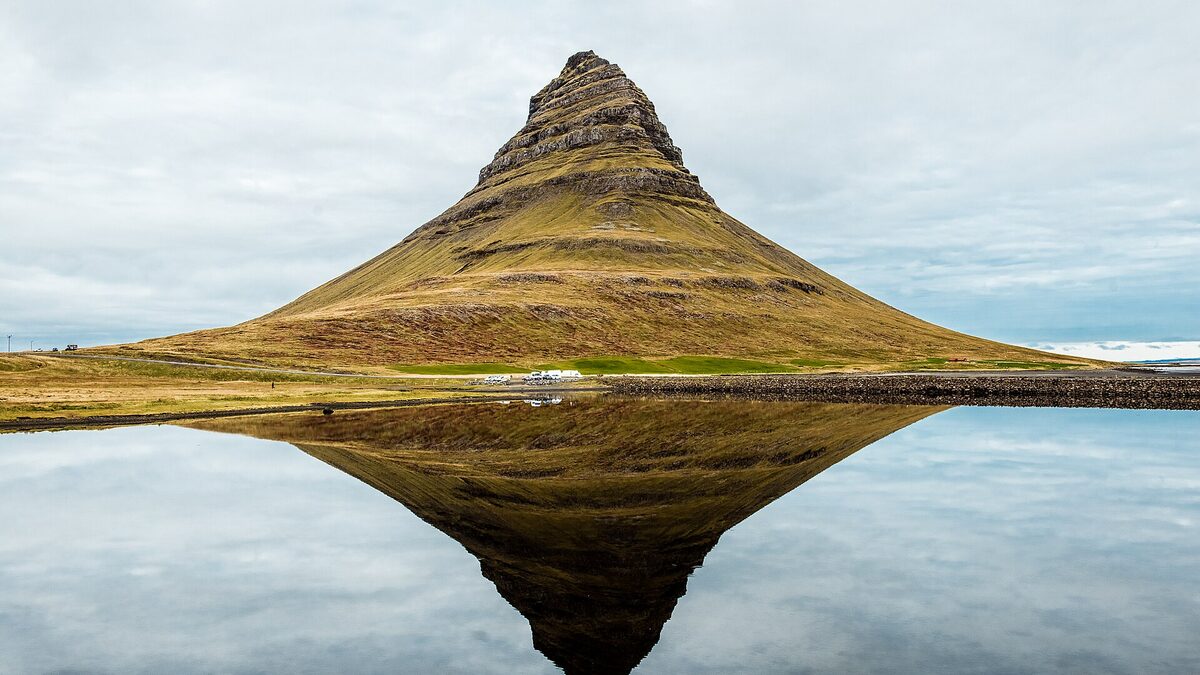
Cover image: Kirkjufell mountain reflected in still water, Snaefellsnes peninsula, Iceland — photo by Ivars Krutainis krutainis, CC0, via Wikimedia Commons.
The best time to visit Iceland depends on what you want: June to August for the full highland-and-Ring-Road experience under the midnight sun, or November to February for northern lights, ice caves and snow-covered waterfalls. Shoulder months win on balance: September pairs autumn colour with the first auroras, and May pairs lambing season and puffins with empty roads and lower prices.
Iceland sells two opposite trips in one small island, and most disappointment comes from booking the wrong half of the year. Summer visitors expecting auroras find 24-hour daylight; winter visitors expecting the highlands find the interior roads closed. This guide maps each season to weather, daylight, prices and access using Reykjavik's 1991-2020 climate normals, so you buy the trip you actually want.
When is the best time to see the northern lights in Iceland?
Auroras need darkness, so the season runs through the dark months, roughly September to March. Daylight in Reykjavik shrinks to under five hours between early December and early January, giving maximum viewing time, while September and March balance reasonable darkness with milder weather and open roads. From 20 May to 24 July daylight is essentially permanent and auroras are impossible.
Darkness alone is not enough: you also need clear skies and solar activity. That makes longer stays the smart strategy, with several nights outside city light pollution. For the cost side of an aurora trip, our northern lights trip cost guide breaks down what a week of chasing actually costs, and Lapland's cost structure makes a useful Nordic comparison.
Iceland month by month: daylight, weather and access
| Month | Daylight and weather (Reykjavik) | Access and crowds | Verdict |
|---|---|---|---|
| January | Under 5h light; high 3.2°C; 87 mm rain/snow | Ice caves open; some roads closed; few visitors | Great for auroras |
| February | Lengthening days; high 3.3°C | Winter tours full swing; storms possible | Great for auroras |
| March | 11h light by equinox; high 4.2°C | First spring tours; auroras into the month | Very good balance |
| April | Rapidly longer days; high 6.9°C | Puffins return late month; shoulder prices | Good value |
| May | Near-24h light; high 10.1°C; driest month (53 mm) | Highlands still closed; roads quiet; lambing season | Excellent value |
| June | Midnight sun; high 13.0°C | Highland tracks start opening late month; puffins, whales | Excellent |
| July | Warmest (high 14.9°C); 184h sun | Everything open; peak prices and crowds | Best access, priciest |
| August | Long days shorten; high 14.1°C | Full access; puffins leave late month | Best access |
| September | Autumn colour; high 11.4°C | Highlands close mid-month; first auroras; prices fall | Excellent balance |
| October | Short days; high 7.6°C | Storms begin; ice caves prepare; quiet | Fair; auroras possible |
| November | Dark; high 4.7°C | Ice caves open; Christmas markets late month | Good for ice and lights |
| December | Darkest (12.6h sun all month); high 3.3°C | Festive Reykjavik; famous New Year fireworks | Good for festive auroras |
The pattern is clear: May and September are the value sweet spots, July and August the access peak, and the deep winter months the aurora-and-ice season. Iceland's cool-summer positioning fits the wider Nordic trend toward heat-escape travel, described in our coolcations analysis.
Summer vs winter: which Iceland should you book?
Book summer (June to August) if you want the complete island: the F-road highlands around Landmannalaugar, puffin colonies, whale watching from Husavik, waterfall hikes in daylight at 11pm, and the full Ring Road without closure risk. July averages just 14.9°C, so pack for a cool spring, not a beach holiday, and accept the year's highest prices.
Book winter (November to February) if auroras, blue-ice caves, frozen waterfalls and snowmobile tours are the goal. Daylight is short but usable, timed around midday sightseeing with evening aurora hunts. Note the trade: the highlands are closed, some Ring Road stretches shut in storms, and itineraries need slack days.
One short paragraph for the undecided: September does both at reduced intensity. Early-month highland access can overlap with the first strong auroras of the season, autumn colour lights up the moss, and summer's crowds and prices are gone.
How many days and what route?
The Golden Circle (Thingvellir, Geysir, Gullfoss) fills a day from Reykjavik in any season. The full Ring Road needs 7-10 days in summer and is not a winter itinerary for most drivers; winter visitors should anchor on Reykjavik and the south coast as far as Jokulsarlon's glacier lagoon, with guided superjeep days beyond that. Whatever the season, check road conditions each morning: Icelandic weather changes fast enough to close passes between breakfast and lunch.
Frequently asked questions
Can you see the northern lights in Iceland in summer?
No. From 20 May to 24 July daylight in Reykjavik is essentially permanent, and even August nights stay too bright for auroras. The reliable window is September to March, with the darkest skies from November to January. Summer visitors should book puffins, whales and the highlands instead.
What is the cheapest month to visit Iceland?
April, May and October combine the lowest prices with reasonable access. May is the standout: Reykjavik's driest month at 52.6 mm, near-endless daylight, puffins arriving, empty roads and shoulder-season rates. Deep winter is not the cheapest once guided ice-cave and aurora tours are factored in.
Is the Ring Road open in winter?
The main Ring Road is kept open as conditions allow but closes section by section in storms, particularly in the east and north, while the F-road highland tracks shut entirely from roughly October to June. Winter self-drives demand a 4x4, storm-day buffers and daily condition checks; nervous winter drivers should base in Reykjavik and book guided days.
When do puffins leave Iceland?
Puffins arrive in late April and depart in late August, so June and July are the peak viewing months at colonies like Vestmannaeyjar, Latrabjarg and Borgarfjordur Eystri. August still works early in the month. Whale watching peaks across the same summer window.