Bank of Greece data shows Jan-Jul tourism revenue up 12% to €13.5bn even as July arrivals fell 3.1% — fewer peak visitors spending more overall.
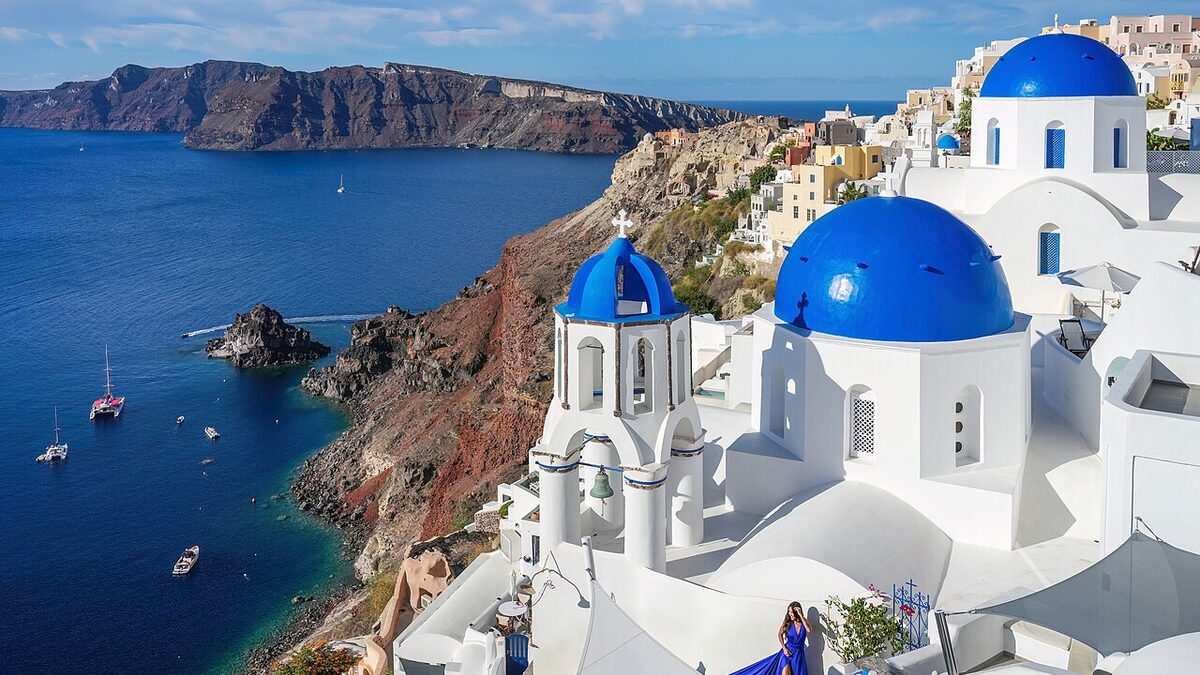
Cover image: Blue-domed churches above the caldera in Oia, Santorini — photo by Giles Laurent, CC BY-SA 4.0, via Wikimedia Commons.
Greece banked a record €13.518 billion in tourism receipts in the first seven months of 2026, up 12 percent on the same period last year, according to Bank of Greece data published this week. July alone delivered €4.722 billion, up 7.2 percent. Yet July arrivals actually fell 3.1 percent year on year. Greece is earning more from fewer visitors: the clearest Mediterranean example yet of the high-value tourism shift every destination board claims to want.
The seven-month arrival count still rose 8.6 percent, so the summer peak softened rather than reversed. But the July dip matters because July is the month that makes the Greek year. For sellers, the read-across is pricing power: demand is strong enough to lift total takings even when footfall eases, which supports rates but punishes anyone betting on volume growth alone.
What do the Bank of Greece figures show?
Receipts for January to July reached €13.518 billion against €12.07 billion a year earlier, a 12 percent gain. July contributed €4.722 billion versus €4.406 billion last July. Arrivals tell the split story: up 8.6 percent over the seven months, down 3.1 percent in July itself. In other words, the early season and shoulder months carried the growth while the peak month thinned out.
The pattern extends a first-half trend. Between January and June, inbound traffic rose 15.4 percent to 13.49 million travellers while receipts grew 14.8 percent to €8.80 billion, and the travel surplus widened to €6.93 billion from €6.01 billion. June showed the same shape in miniature: arrivals up 6.9 percent to 4.92 million, receipts up only 1.2 percent to €3.48 billion.
| Period | Receipts | Arrivals |
|---|---|---|
| Jan-Jul 2026 | €13.518bn, up 12.0% | Up 8.6% |
| July 2026 | €4.722bn, up 7.2% | Down 3.1% |
| H1 2026 | €8.80bn, up 14.8% | 13.49m, up 15.4% |
| June 2026 | €3.48bn, up 1.2% | 4.92m, up 6.9% |
Why is per-trip spending slipping?
Because the average cheque is shrinking even as totals grow. Average spending per trip fell 0.6 percent across the half year and 6.2 percent in June, the Bank of Greece data show. More visitors are coming, but each spends a little less: shorter stays, self-catering, off-peak bookings and the weaker dollar all push the same way. It is the same tension visible across southern Europe, where overtourism protests and tourist taxes are themselves a response to volume without value.
None of this dents the headline. A 12 percent receipts gain with 8.6 percent arrival growth means Greece is monetising better than it is filling, which is exactly the trade ministers describe when they promise quality over quantity. The risk is a July peak that keeps thinning while fixed costs stay peak-sized.
What does it mean for sellers?
Three things. First, Greece has pricing headroom: sell the experience, not the discount, because the data says visitors keep paying. Santorini remains the marquee, and the honest answer to whether Santorini is worth visiting is now backed by what millions of wallets just decided. Second, push the shoulders: May, June and September are growing faster than July with better value stories. Third, watch the mix: US visitors softened this year, so diversify source markets rather than leaning on one long-haul Bet. Culture-led hooks help, from the Acropolis to Ithaca's Odyssey moment, and they spread spend beyond the beach.
Frequently asked questions
How much did Greece earn from tourism in 2026 so far?
€13.518 billion in the first seven months, up 12 percent on 2025, per Bank of Greece data published in September. July alone brought €4.722 billion, up 7.2 percent. The figures cover travel receipts, meaning what foreign visitors spent in the country, and they put Greece on course for a record full year.
Are fewer tourists visiting Greece?
Not overall: January-to-July arrivals rose 8.6 percent. But July arrivals fell 3.1 percent year on year, which is notable because July is the peak month. The pattern suggests travellers are shifting into the shoulder season or cutting peak trips short, while total numbers keep growing.
Why are visitors spending less per trip?
Average spend per trip fell 0.6 percent in the first half and 6.2 percent in June. Likely drivers include shorter stays, budget accommodation choices, currency moves and a younger visitor mix. Total receipts still rose because arrival growth outweighed the per-trip slip.
Is Greece getting more expensive for tourists?
Peak-season hotspots keep raising prices and adding fees, from accommodation taxes to cruise levies, yet demand holds. The value play is the shoulder season: May, June and September offer lower prices with near-peak weather, and the arrival data shows other travellers have already worked that out.