SpiceJet has finalised wet and damp leases for 20 aircraft arriving mid-October to mid-November, targeting around 200 daily winter flights in its fleet rebuild.
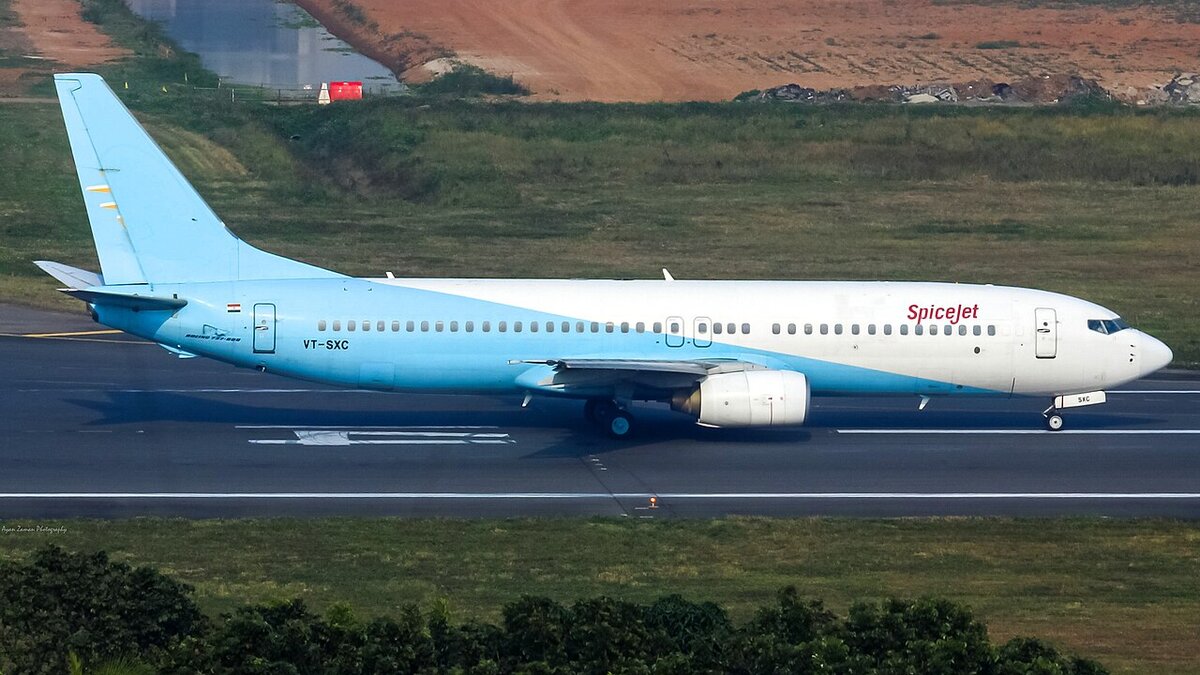
Cover image: a SpiceJet Boeing 737 passenger jet on the runway — photo by Md Shaifuzzaman Ayon, CC BY-SA 4.0, via Wikimedia Commons.
SpiceJet has finalised lease agreements for 20 aircraft ahead of the winter schedule, with the jets arriving in phases between mid-October and mid-November. The package covers 15 Boeing and five Airbus aircraft, including the higher-capacity A321, sourced from three operators under wet- and damp-lease deals. The airline says the inductions will lift it to around 200 daily flights this winter across domestic and international routes.
The timing is deliberate. The first aircraft arrive just as festive-season demand builds from Durga Puja, and all 20 are expected in service by mid-November, staying on through the winter schedule and the following peak summer season. No financial terms were disclosed, and the airline has not named the lessors or the individual Boeing variants.
What exactly has SpiceJet signed for?
The structure is a mix of wet and damp leases. In a wet lease the lessor typically provides the aircraft with crew, maintenance and insurance, while a damp lease shares only some of those elements. The arrangement lets SpiceJet add seats in weeks rather than waiting years for factory deliveries, which matters for an airline rebuilding from a shrunken fleet.
Chief business officer Debojo Maharshi framed the deal as a capacity push: "The 20 aircraft we are bringing in will allow us to strengthen our network," adding that the airline will "add frequencies and offer more travel options during the peak season." He put the target plainly: "Our aim is to reach around 200 daily flights this winter," while "continuing to build our operations in a measured and sustainable manner."
Why does SpiceJet need leased jets?
Because its active fleet had withered. In September 2025 only 18 of its 53 aircraft were flying, with the rest grounded by parts shortages and engine overhaul delays. By late June 2026 the operating fleet had dropped to 11 aircraft after two wet-leased Boeing 737-800s returned to Corendon Airlines, leaving nine Boeing 737s and two Dash 8-400 turboprops in service.
Recovery has been incremental. The board approved a rebuild toward around 60 aircraft through wet and damp leases plus returning grounded jets, signed a February memorandum for 10 aircraft, and in June planned three damp-leased Airbus A320s alongside one Boeing 737 MAX back to service. Market share responded, rising from 1.9 percent in September 2025 to 4.3 percent by December after 16 aircraft joined in that quarter, while available seat kilometres grew from 550 million to 1.05 billion.
How does this compare with the earlier winter plan?
Back in February the airline had spoken of topping 300 flights a day by winter 2026 and roughly 2.20 billion seat kilometres. The current guidance of around 200 daily flights is more modest, which reads as realism after a year of operational strain. For passengers, the practical effect should be more frequencies on high-demand routes and some relief for airfares during the festive rush, a point the airline itself has made about added capacity.
The move also mirrors wider Indian capacity adds this season, from IndiGo's new Guwahati-Bangkok flights to domestic frequency hikes, as carriers position for Diwali and winter demand while keeping a lid on fuel-driven fare pressure.
| Milestone | Detail |
|---|---|
| Lease package | 20 aircraft: 15 Boeing + 5 Airbus (incl. A321) |
| Lease type | Wet and damp leases via three operators |
| Induction window | Mid-October to mid-November 2026 |
| Winter target | Around 200 daily flights |
| Active fleet, June 2026 | 11 aircraft (9 Boeing 737s + 2 Dash 8-400s) |
| Market share | 1.9% (Sep 2025) to 4.3% (Dec 2025) |
Frequently asked questions
When will SpiceJet's 20 leased aircraft start flying?
The airline says the jets arrive in phases from mid-October, with full induction by mid-November 2026, in time for the festive rush from Durga Puja and the winter schedule. They remain available through winter and the next peak summer season.
What is a wet lease vs a damp lease?
A wet lease generally supplies the aircraft together with crew, maintenance and insurance from the lessor. A damp lease covers the aircraft with only part of that support, such as the cockpit crew, leaving the airline to handle the rest.
How many flights will SpiceJet operate this winter?
SpiceJet targets around 200 daily flights across domestic and international routes this winter, up from its depleted 2026 schedule. That is below the 300-plus daily flights it had mooted in February, reflecting a more measured rebuild.
Will more SpiceJet flights lower festive airfares?
Extra seats on high-demand routes usually ease upward pressure on fares, and the airline positions the inductions that way. But festive pricing also depends on fuel costs and rival capacity, so travellers should still book early for Diwali and Christmas travel.