Air India's FY26 consolidated loss doubled to Rs 22,238 crore on falling income and forex losses. Tata approved Rs 10,000 crore more as Tewolde starts a 5-10 year fix.
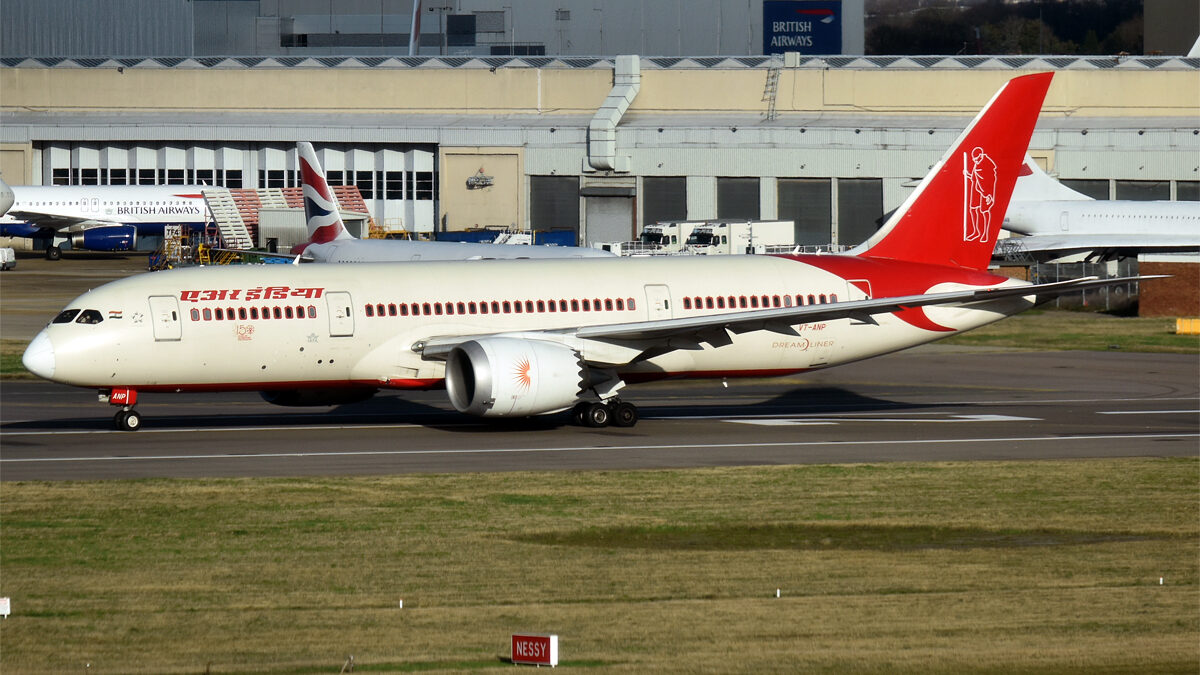
Cover image: an Air India Boeing 787 Dreamliner taxiing at the airport — photo by Anna Zvereva from Tallinn, Estonia, CC BY-SA 2.0, via Wikimedia Commons.
Air India's consolidated net loss more than doubled to Rs 22,238.23 crore in the fiscal year ended March 2026, up from Rs 10,858.83 crore a year earlier, as income shrank and costs climbed. Parent Tata Sons has approved a fresh capital infusion of more than Rs 10,000 crore to stabilise the carrier, just as new chief executive Tewolde Gebremariam takes charge of a turnaround management says will take five to ten years.
Total consolidated income fell to Rs 71,869.94 crore from Rs 78,635.61 crore, while expenses rose to Rs 93,733.31 crore from Rs 89,317.12 crore. Foreign exchange losses alone jumped to Rs 7,388.23 crore from Rs 1,545.01 crore, and aircraft repair and upkeep cost Rs 14,976.45 crore. The numbers lay bare the scale of the task facing the Tata group carrier.
What drove Air India's FY26 loss?
Four forces combined. Revenue softened while the cost base grew, currency volatility hammered a carrier with heavy dollar-denominated leases and loans, maintenance bills stayed elevated across an ageing fleet mix, and the June 2025 AI171 accident created operational and financial headwinds plus heightened safety scrutiny that lingered through the year.
The context matters for travellers. This is the same airline whose chairman was recently told to rebuild trust and tighten costs, and where Singapore has pointedly declined to step in with fresh funds. The FY26 accounts show why both conversations happened: the restructuring bill is far larger than a single year's patch-up.
How much is Tata Sons putting into Air India?
Tata Sons has approved a capital infusion of more than Rs 10,000 crore, the second large-scale backstop since privatisation. The money is earmarked for stabilising operations rather than growth: shoring up liquidity, funding overdue maintenance, and keeping the fleet renewal programme moving while losses continue.
For perspective, the infusion covers less than half of one year's consolidated loss. That arithmetic is why management talks openly about a five-to-ten-year transformation rather than a quick return to profit. The plan centres on overhauling legacy systems, modernising the fleet, and streamlining supply chains to cut structural inefficiencies.
| Air India FY26 vs FY25 (Rs crore) | FY26 | FY25 |
|---|---|---|
| Consolidated net loss | 22,238.23 | 10,858.83 |
| Total income | 71,869.94 | 78,635.61 |
| Total expenses | 93,733.31 | 89,317.12 |
| Foreign exchange losses | 7,388.23 | 1,545.01 |
| Aircraft repair and upkeep | 14,976.45 | Not disclosed |
Who is Tewolde Gebremariam and what is his mandate?
The former Ethiopian Airlines chief took over as managing director and CEO in September 2026, replacing Campbell Wilson. His mandate is operational reliability, safety standards and financial discipline: exactly the three areas the FY26 numbers indict. Tewolde built his reputation turning Ethiopian into Africa's most profitable carrier, but Air India's scale of loss, competitive domestic market and complex fleet give him a steeper climb.
What does the loss mean for passengers?
In the near term, little changes at the booking screen. The Tata infusion keeps the airline flying and funded, winter schedules are being restored, and the fleet renewal continues. The risk for travellers is subtler: a carrier losing over Rs 60 crore a day faces constant pressure to trim unprofitable routes, which can mean thinner frequencies on marginal sectors. Passengers on less-served routes should book flexible fares and watch schedules.
Frequently asked questions
How much did Air India lose in FY26?
Air India posted a consolidated net loss of Rs 22,238.23 crore for the year ended March 2026, more than double the Rs 10,858.83 crore loss of the previous year, as income fell to Rs 71,869.94 crore and expenses rose to Rs 93,733.31 crore.
Is Tata Sons giving more money to Air India?
Yes. Tata Sons has approved a fresh capital infusion of more than Rs 10,000 crore to stabilise operations, fund maintenance and keep fleet renewal going while the airline continues to lose money.
Who is the new Air India CEO?
Tewolde Gebremariam, former head of Ethiopian Airlines, took over as managing director and CEO in September 2026, replacing Campbell Wilson, with a mandate covering operational reliability, safety standards and financial discipline.
When will Air India become profitable?
Management estimates the transformation will take five to ten years, involving legacy-system overhauls, fleet modernisation and supply-chain streamlining. No near-term return to profit is promised.