DGCA audits found serious findings at top Indian airlines ahead of a key FAA check, Hindustan Times reported on 1-2 September 2026, raising corrective-action timelines.
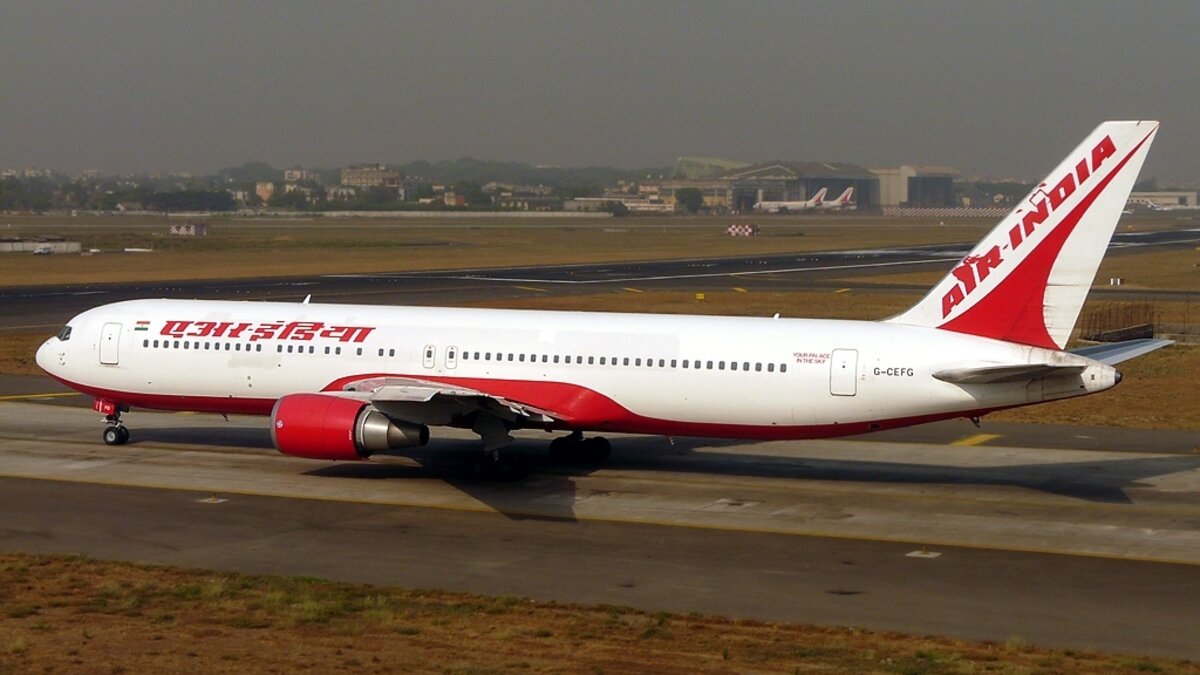
Cover image: aircraft of Indian airlines on the tarmac — photo by Sean d'Silva, GFDL 1.2, via Wikimedia Commons.
DGCA audits have returned serious findings at top Indian airlines ahead of a key US FAA check, Hindustan Times reported on 1 to 2 September 2026, prompting corrective-action deadlines for carriers. The audits are part of the Directorate General of Civil Aviation's own oversight cycle and land just before the US Federal Aviation Administration's International Aviation Safety Assessment (IASA) review of India's Category 1 status.
Details of the specific airlines and finding categories were not fully itemised in the early HT summary, but the framing as serious findings at leading carriers signals more than routine paperwork gaps. For travellers, the near-term effect is audits and fixes, not groundings.
What did the DGCA find?
Hindustan Times describes the audits as having surfaced serious findings at top airlines during a DGCA sweep ahead of the FAA check. The piece is headlined to reflect that severity, but the publicly available excerpt on 2 September did not enumerate each finding line-by-line. In recent DGCA cycles, serious findings have typically clustered around three areas: operational manuals and training records, aircraft maintenance documentation, and safety-management system follow-through.
Context matters. The same news cycle includes pilot attrition warnings at Air India flagged to Tata's Noel Tata and the DGCA audit's timing ahead of the FAA's visit. Separately, IndiGo's Goa–Delhi engine failure and emergency landing and IndiGo's 1 September booking system outage have kept operational resilience in focus, though neither incident is directly linked to the audit findings in the HT report.
Why the FAA check matters
The FAA's IASA programme assesses whether a country's oversight system meets ICAO standards. India regained Category 1 in this framework, which allows Indian carriers to expand US services and codeshares. A Category downgrade would not ground flights but would freeze new US routes and limit airline-to-airline agreements, so New Delhi treats IASA as a high-stakes audit.
The FAA reviews the DGCA itself, not individual airlines, but serious findings at carriers can reflect on the regulator's surveillance effectiveness if they suggest systemic gaps. That is why a domestic audit wave just before IASA is both normal preparation and a credibility test.
What happens next: timelines and fixes
Airlines receiving serious findings are typically given short corrective-action windows: immediate containment for safety-critical items, 30 days for procedural fixes, and 90 days for systemic整改 such as manual rewrites or additional simulator checks. The DGCA can also require additional spot audits and enhanced reporting until closure.
For passengers booking for October to December, the practical implications are limited. Watch for schedule-pad changes on heavily utilised fleets and for crew-training notices that briefly reduce capacity. If you are booked on US-India nonstops, no immediate schedule impact is signalled by the regulator.
How this fits the broader safety picture
India's aviation safety narrative in 2026 has been dominated by the Air India AI171 crash report in final stages and by the pilot-experience debate, where the pilots' association warned about loss of cockpit experience as fleets transition. The DGCA sweep sits alongside those threads as the regulator asserting active oversight before an external audit.
Investors also track operational risk via IndiGo's Manchester suspension and network moves like Ahmedabad's new hub-and-spoke feed, but the audit story is distinct: it is about compliance depth, not commercial strategy.
What travellers should do
- Keep bookings as ticketed. There is no advisory to avoid any Indian carrier based on this audit alone.
- For time-sensitive US-India trips, allow a buffer day if you are on a tight onward connection, as training-related schedule padding can shift crew rosters.
- Follow your airline's travel alerts for any fleet-specific advisories; none have been issued as of 2 September linked to these findings.
Frequently asked questions
Which airlines had serious findings?
Hindustan Times reports serious findings at top airlines without naming each carrier in the excerpt available on 2 September. Expect airline-specific details as the DGCA publishes closure reports.
Does a serious finding mean aircraft are unsafe to fly?
No single phrase decides airworthiness. Serious typically means a systemic gap needing prompt correction, not an immediate grounding. Aircraft remain subject to daily airworthiness controls.
Will the FAA downgrade India after this?
Not automatically. The FAA judges India's oversight system against ICAO standards. Domestic findings, if promptly corrected, can actually demonstrate effective surveillance.
Should I change my Indian carrier booking?
There is no basis to rebook solely on this audit headline. Monitor your airline's operational notices, especially for US nonstops, but no carrier has announced audit-driven cancellations.