easyJet's FY26 headline pre-tax profit fell to £71m from £665m as the airline lost £195m and easyJet holidays earned £266m. No dividend and no detailed FY27 guidance.
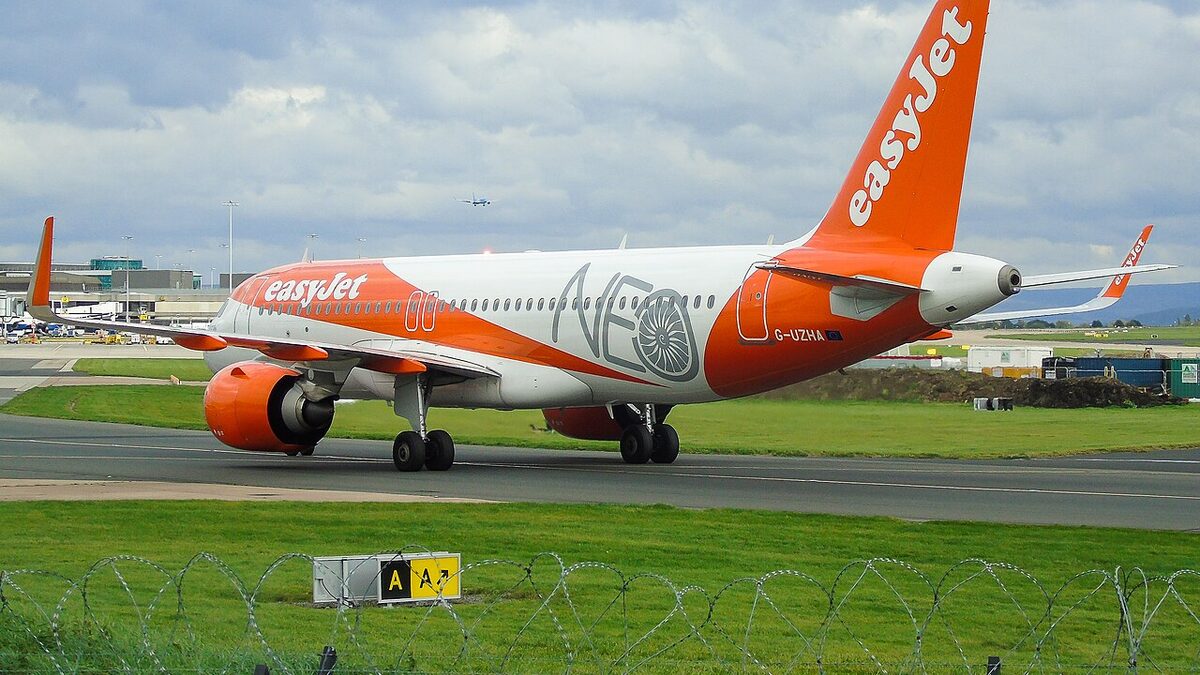
Cover image: An easyJet Airbus A320neo at Manchester Airport (file photo) — photo by M901QX, CC BY-SA 4.0, via Wikimedia Commons.
easyJet's package-holiday arm made more money than the whole group in the year to 30 September 2026. In its FY26 full-year results on Wednesday 25 November, easyJet reported headline profit before tax of £71 million, down from £665 million, as the airline lost £195 million before tax and easyJet holidays earned £266 million. Statutory pre-tax profit fell to £24 million from £658 million.
The board recommended no dividend and, citing Apollo's pending 715p-a-share takeover, gave no detailed FY27 guidance. Chief executive Kenton Jarvis said the Middle East conflict "materially impacted our financial performance".
Why did easyJet's airline lose £195 million?
The fuel bill rose 11 per cent, or £244 million, to £2,497 million on more flying and conflict-driven price rises from March, even with a net £515 million hedging benefit (FY25: a £137 million loss).
Revenue did not keep up. Airline revenue per available seat kilometre (RASK) fell 2 per cent, with a 3 per cent second-half fall as early bookings weakened. easyJet also cited its first winter at Milan Linate and Rome Fiumicino and "competitive overcapacity in certain beach markets". Crew cost per ASK rose 10 per cent, and one-offs included a £43 million rise in provisions for historical legal matters.
How did easyJet holidays grow while the airline struggled?
Customers rose 13 per cent to almost 3.5 million and revenue 19 per cent to £1,709 million, with the average selling price up 6 per cent to £737. Direct operating costs rose 23 per cent, with inflation mainly in accommodation, and profit grew 6 per cent.
The trade angle is distribution. In the fourth quarter easyJet added flight plus hotel to its flight-only booking journey, using about 7,000 hotels from Expedia Group's business-to-business inventory: dynamic packaging at the moment of the seat sale. The holidays arm, which easyJet says has 11 per cent of the UK market, will also sell through more than 500 high-street retailers in Germany.
Jet2's profit fell less far. Over the same six months to 30 September, its pre-tax profit dropped 19 per cent to £652.2 million, as we reported from Jet2's half-year results, while easyJet's second-half headline pre-tax profit fell 41 per cent (our calculation) to £623 million.
| Measure | FY26 | FY25 | Change |
|---|---|---|---|
| Group revenue | £10,737m | £10,106m | +6% |
| Headline profit before tax | £71m | £665m | −89% |
| Airline headline profit/(loss) before tax | −£195m | £415m | −£610m |
| easyJet holidays headline profit before tax | £266m | £250m | +6% |
| Total airline revenue per ASK | 6.34p | 6.45p | −2% |
| Airline headline total cost per ASK | 6.48p | 6.14p | +6% |
| Passengers | 96.4m | 93.4m | +3% |
| easyJet holidays customers | 3.48m | 3.09m | +13% |
Source: easyJet final results, 25 November 2026.
What do easyJet's FY26 results say about the year ahead?
The board expects its year-on-year RASK performance to improve through each quarter of FY27, and ex-fuel unit cost trends to improve. easyJet plans 54 aircraft retirements across FY27 and FY28, which it says will bring about £250 million of extra annual savings by FY28, and expects its last Airbus A319s to go by FY29.
Fuel is 69 per cent hedged for the first half of FY27 at $803 a tonne and 54 per cent for the second half at $898. "With the cushion of hedged fuel running out, easyJet may begin to be more exposed to fuel prices and wider cost inflation, meaning fare and package price rises could be hard to avoid," Julie Palmer of advisory firm BTG said in comments published by Travel Weekly.
Where does the Apollo takeover of easyJet stand?
Shareholders approved the Apollo takeover on 11 November. easyJet said on 25 November that antitrust and foreign investment clearances had been received in the UK, Germany, Austria, France, Italy, Spain and Malta, and that completion is still expected in the first quarter of 2027. The court must still sanction the scheme; as of 29 November 2026 no hearing date had been announced.
The deal terms let Eagle Bidco cut its price by up to the amount of any dividend, one reason the board gave for skipping one (FY25: 13.2p). Non-headline items include £43 million of advisory and legal costs from the Apollo and Castlelake proposals.
The directors also flagged a "material uncertainty" relating to going concern, tied to the change of control: lenders could cancel their revolving credit facility commitments, and bond repayments could be required. They said they understand Apollo has secured financing for both, though the effect on liquidity cannot yet be determined with sufficient certainty, and do not expect the deal to harm underlying operations.
Frequently asked questions
How much profit did easyJet make in FY26?
easyJet reported headline profit before tax of £71 million for the year to 30 September 2026, down from £665 million, and statutory pre-tax profit of £24 million (FY25: £658 million). The airline lost £195 million before tax, while easyJet holidays made £266 million.
Why is easyJet not paying a dividend for 2026?
The board recommended no FY26 dividend, against 13.2p a share for FY25. It cited the weaker results and the Apollo deal terms, under which Eagle Bidco may reduce its 715p offer price by up to the amount of any dividend easyJet announces.
When will Apollo's takeover of easyJet complete?
easyJet expects completion in the first calendar quarter of 2027, subject to the outstanding conditions, including the court's sanction of the scheme. Shareholders approved the 715p cash offer on 11 November 2026, and the long-stop date for the deal is 6 August 2027.
Does easyJet's going-concern warning mean the airline is in trouble?
The directors tied the "material uncertainty" to the change of control: a takeover could let lenders cancel easyJet's credit facility and require bond repayments. Under current ownership, they concluded the group has sufficient resources. They understand Apollo has secured replacement financing and do not expect the deal to harm underlying operations.