Thailand's 30-day visa-free rule starts Sept 15: 60 countries, tourism-only, land-border cap. What Indian travellers must change.
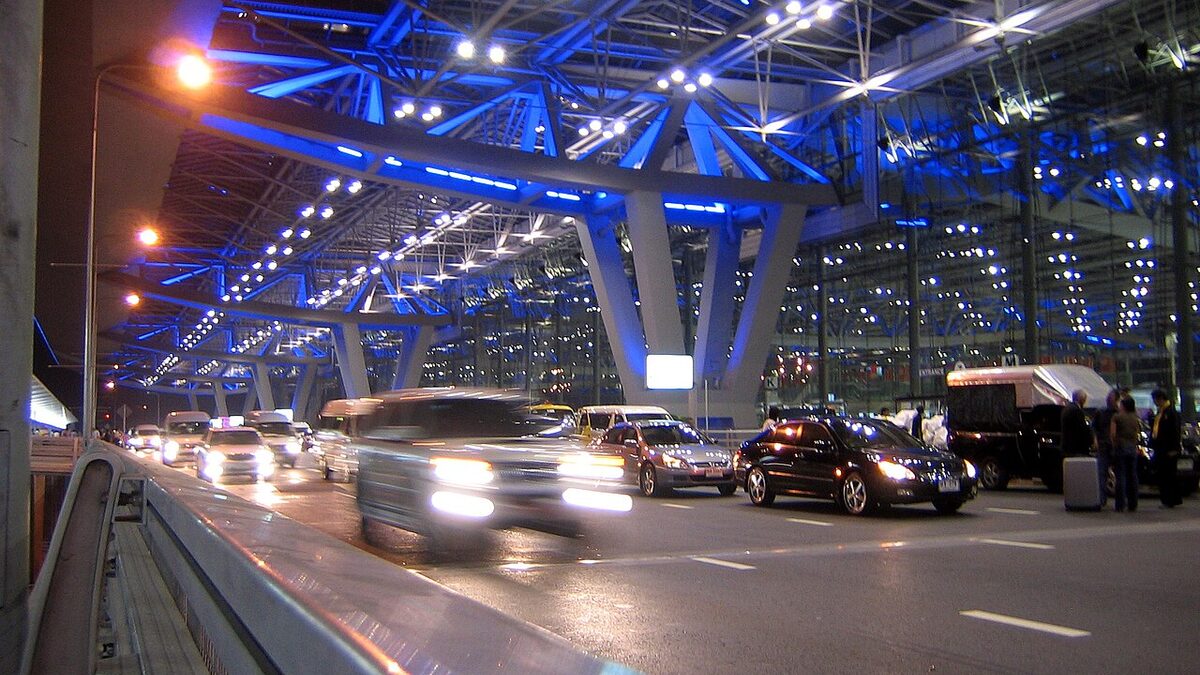
Cover image: the departures level of Suvarnabhumi Airport in Bangkok at night — photo by Khaosaming, CC BY-SA 3.0, via Wikimedia Commons.
Thailand's new 30-day visa exemption starts on September 15, 2026, one week from today. Under four Ministry of Interior announcements published in the Royal Gazette on August 31, the standard visa-free stay is halved to 30 days, the eligible list shrinks from 93 to 60 countries and territories, and the exemption covers tourism only. India is on the final list, TTG Asia reported on September 8.
This is a follow-up to our September 1 report on the cut. What is new: the Gazette publication locks in the legal text, and the details now show a tourism-only restriction plus a cap of two visa-exempt entries per calendar year through land borders. Short-term business and work visitors from affected markets will need a visa from September 15.
What exactly changes on September 15?
| Rule | Until Sept 14 | From Sept 15 |
|---|---|---|
| Visa-free stay | 60 days | 30 days |
| Eligible nationalities | 93 countries and territories | 60 countries and territories |
| Purpose covered | Tourism, short-term work, business contact | Tourism only |
| Land-border entries | No annual cap | 2 per calendar year |
The Cabinet approved the framework on July 14, 2026, and the announcements were signed by Anutin Charnvirakul as prime minister and interior minister. The government's stated reasons: national security, tourism and economic interests, reciprocity, cutting overlapping exemptions that, in the government's words, could confuse foreign visitors, and the convenience of the e-Visa system.
What must Indian travellers do differently?
India made the final 60-country list after the travel industry pushed back over its absence from the original 54-country draft approved in May. So Indians still get visa-free entry, but with less room for error:
- Count your days. A 30-day stamp means overstaying even by a day risks fines and detention. Build buffer days into return tickets.
- Business travellers need a visa. Meetings, site visits and short-term work no longer ride on the exemption. Apply through the e-Visa system before flying.
- Land-border hoppers, take note. The two-entries-a-year cap bites on multi-country loops (Thailand-Cambodia-Laos-Thailand). Plan air exits, which are unaffected.
- Budget the tourist fee. A separate 450-baht tourist fee proposal is moving in parallel, so factor it into trip math alongside our Thailand trip cost guide.
How does this compare with neighbours?
Thailand is tightening while others stay open: Indians should compare entry regimes across the region in our Thailand visa guide for Indians. The regional trend is shorter, more conditional stays, not blanket bans.
The government specifically cited the e-Visa system as the fallback: anyone whose trip no longer fits the exemption, including business visitors and travellers planning stays beyond 30 days, should apply online before departure rather than gambling on a stamp at the border. Applications are handled through Thai embassies and consulates, and approval timelines stretch during peak season, so September departures with October returns deserve immediate attention.
Frequently asked questions
How long can Indians stay visa-free in Thailand from September 15?
30 days per visit for tourism, under the revised exemption covering 60 countries and territories including India.
Can I visit Thailand for business without a visa after September 15?
No. The new exemption is tourism-only, so short-term business and work visitors need a visa obtained in advance.
What is the land-border entry limit?
Visa-exempt travellers entering through land checkpoints are limited to two entries per calendar year. Air arrivals have no such cap.
Is India still eligible for Thai visa-free entry?
Yes. India was added to the final 60-country list after industry pushback over its exclusion from the earlier 54-country draft.