Thailand will charge foreign visitors a flat 450 baht entry fee under a new proposal unveiled 4 Sept 2026 — covering air, land and sea arrivals to fund tourism insurance, safety and infrastructure.
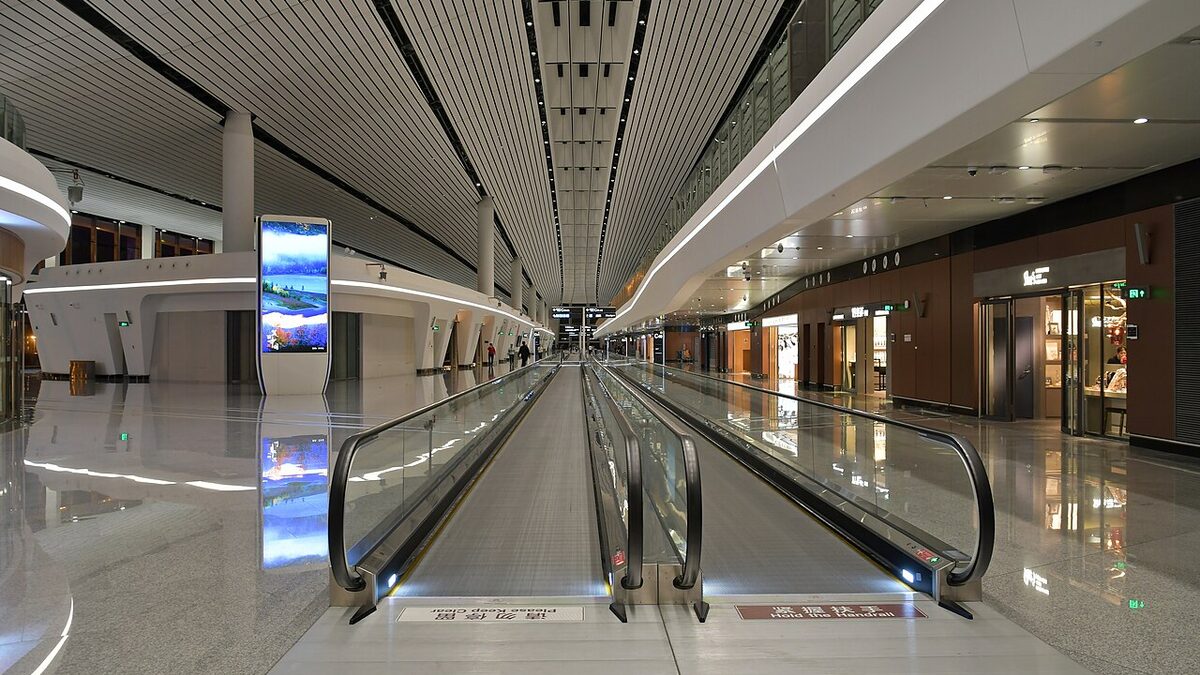
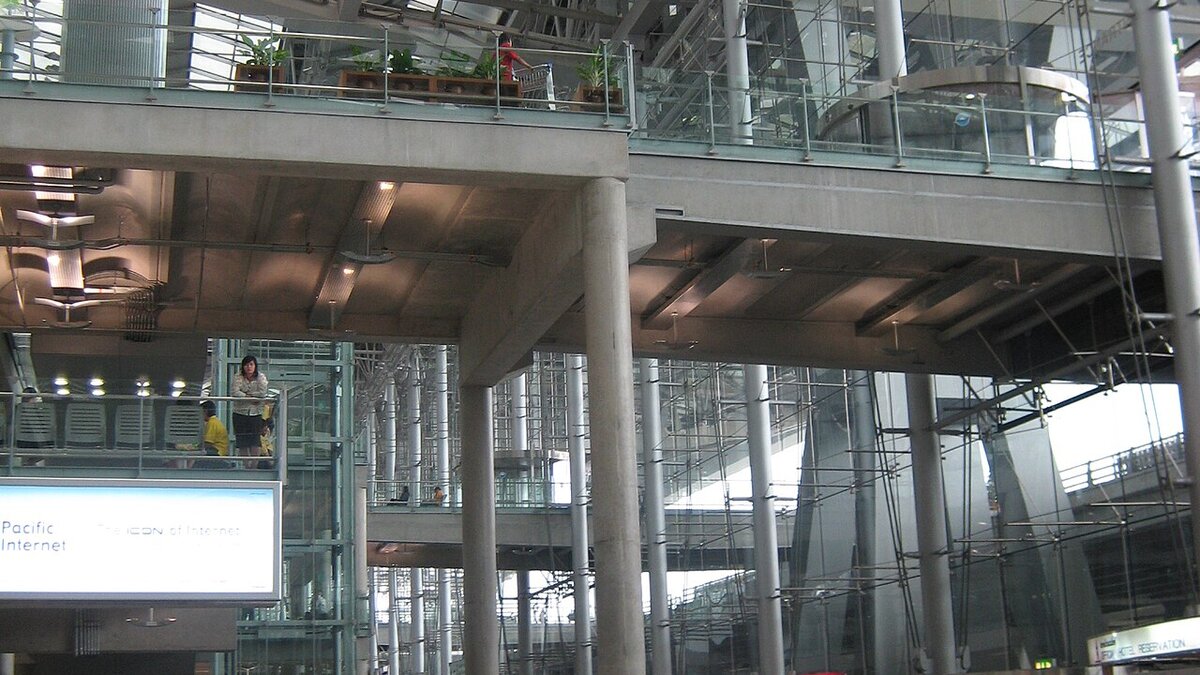
Cover image: Foreign tourists at Suvarnabhumi Airport amid new fee proposal — photo by Terence Ong, CC BY 2.5, via Wikimedia Commons.
Thailand will charge every foreign visitor a flat 450-baht entry fee under a new proposal outlined on 4 September 2026, covering arrivals by air, land and sea to fund tourism insurance, safety improvements and infrastructure upgrades. The levy would replace the tiered plan discussed earlier and, according to briefing materials cited by Thai media, is now in public consultation with an early 2027 rollout expected for air arrivals first.
The 450-baht fee — about US$12 at current rates — was presented as a single rate for all entry methods, simplifying the 300-baht levy that was previously scheduled to start in February 2026 for air visitors. For Indian travellers, who are now Thailand's third-largest foreign market at 1.45 million arrivals in the year to mid-August, the charge would be an added line item on top of visa-free entry, which was cut to 30 days from 15 September for many nationalities.
What is the 450-baht fee and who pays it?
The proposal is for a universal 450 baht per entry for foreign visitors, regardless of whether they fly into Suvarnabhumi or Don Mueang, cross by land from Malaysia, Cambodia, Laos or Myanmar, or arrive by cruise ship. Officials said the flat rate would be collected electronically, most likely through the airline ticket for air arrivals and via the immigration system or an online portal for land and sea borders. The fee would apply to adults and children alike, with exemptions likely limited to transit passengers, crew, diplomats and work-permit holders — details still under consultation.
The government frames the levy as a tourism sustainability fund rather than a tax, earmarked for three buckets: travel insurance coverage for medical and accident costs involving visitors (which strains public hospitals), safety improvements such as tourist police, rescue and CCTV upgrades, and infrastructure at high-traffic sites from Bangkok to Phuket and Chiang Mai. That scope explains why the flat 450-baht figure was chosen over the earlier 300/150 split by mode, according to coverage in VisasUpdate and Nomad Lawyer on 4 September.
How does this relate to the 300-baht entry levy?
Thailand first approved a 300-baht fee (US$8) in February 2026 for foreign arrivals, with collection via airlines for air entry, but implementation was repeatedly deferred for systems work. The 300-baht plan remains on the books as the reference point, and officials now describe the 450-baht proposal as its successor: a single, higher, mode-agnostic rate that would fund broader coverage including land and sea arrivals, which were previously discounted or excluded. If adopted, the 450-baht levy would effectively supersede the 300-baht levy rather than stack with it.
Travellers who follow Thailand's arrival rules — Thailand's 19.76 million foreign visitors to 15 August already underpin the levy case , will recognise the pattern: the country has tightened entry settings in 2026 while also investing in visitor-funded safety nets, alongside the new deportation rules for unruly tourists and the visa-free stay cut.
When would the 450-baht fee start and how would you pay?
Briefings cited on 4 September point to a public-consultation phase now underway, with the earliest implementation for air arrivals in early 2027 once airline ticketing integration and the TDAC immigration system are updated. Land and sea collection would follow, once border-payment kiosks or pre-arrival portals are ready. For air travellers, the expectation is that the fee appears inside the ticket fare at purchase , similar to departure taxes , so no separate airport payment queue is needed. Land visitors crossing from Malaysia or Cambodia would pay via an online portal or at the border post before immigration stamping.
For Indian passport holders, who mostly fly nonstop to Bangkok, Phuket and Krabi or connect via Singapore and Kuala Lumpur, the practical effect is a modest but unavoidable fare add-on: roughly Rs 1,050 at Rs 2.33 per baht. Families of four would pay about Rs 4,200 per entry, regardless of stay length, unlike the night-based tourist taxes in Europe.
What does it mean for your Thailand trip budget?
On a typical 5-night Bangkok-Pattaya or Phuket itinerary priced at Rs 35,000–55,000 per person ex-India, 450 baht adds about 2–3% per person, less than a hotel night. The levy does not replace travel insurance , it is a state-managed pool , so travellers should still carry private cover. Those planning early 2027 should watch for the formal Royal Gazette notice; until then, no fee is being collected at airports. If you are travelling before 2027, budget the earlier 300-baht figure as a planning placeholder, but expect the 450-baht flat rate to be the going rate once the new order is gazetted.
Frequently asked questions
Do I pay the 450-baht fee each time I enter Thailand?
Yes, under the proposal you pay per entry. A Bangkok-Phnom Penh-Bangkok routing would trigger two charges. Transit air passengers who do not clear immigration are expected to be exempt.
Is the fee on top of the visa?
Yes. It is separate from any visa or visa-free entry. Most Indians currently enter visa-free for 30 days from 15 September, but still pay the tourist entry fee. The earlier visa-free window of 60 days has been shortened.
How will airlines collect it?
For air arrivals, the levy would be embedded in the ticket at sale, automatically added to the fare breakdown and remitted by the airline to the Thai government, similar to airport taxes. No cash payment at Suvarnabhumi is planned.
Will children pay?
Draft terms indicate all foreign visitors pay the flat 450 baht, including children, with only narrow exemptions for crew, diplomats and long-term permit holders. Final exemptions will be set after consultation.
When does collection actually begin?
Not in 2026. Officials cite early 2027 for air arrivals first, after public consultation and ticketing updates. Land and sea collection would follow. No fee is being collected at airports today.