Thai FM Sihasak summoned Israel's ambassador on September 8 over Israeli tourist misconduct in Samui, Phuket and Pattaya, demanding strict enforcement and traveller briefings.
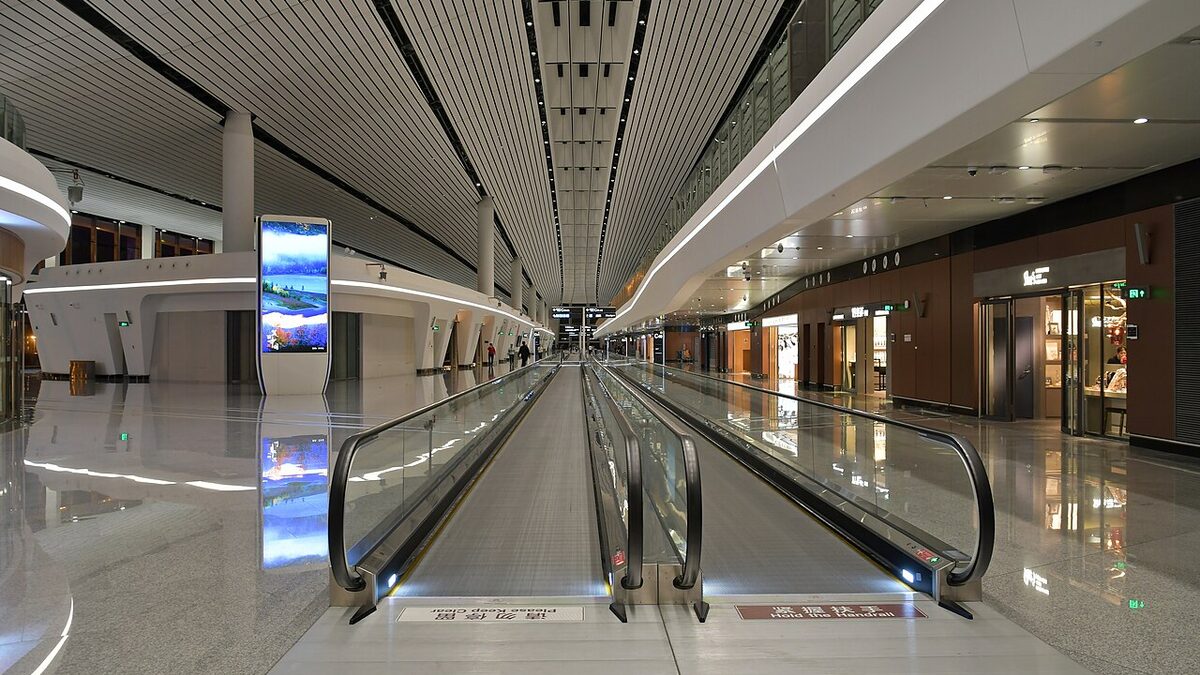
Cover image: longtail boats anchored off a palm-fringed beach at Koh Samui — photo by fallix, CC0, via Wikimedia Commons.
Thailand's foreign minister summoned Israel's ambassador on September 8 for a blunt conversation about Israeli tourist behaviour, warning that enforcement will be strict and equal for all nationalities. Deputy Prime Minister and Foreign Minister Sihasak Phuangketkeow told envoy Alona Fisher-Kamm that months of friction in Phuket, Pattaya, Koh Samui, Koh Phangan and Pai, where semi-permanent Israeli groups have settled, had become impossible to overlook. He called it "a frank, straight-to-the-point conversation" about public irritation that risks damaging bilateral ties.
The summons is the sharpest diplomatic step yet in a row that has already produced tightened deportation rules for unruly tourists. It lands one week before the 30-day visa-free cap takes effect on September 15, as Thailand pairs tighter entry terms with louder demands for good conduct.
What triggered the summons?
The flashpoint was Koh Samui in August. A dispute between an Israeli restaurant owner known locally as Jacob and a French businessman running Samui Exotic Park escalated after the French operator posted a Palestinian flag and a sign barring Israelis. The encounter was filmed and went viral, an Israeli influencer reportedly offered a 500,000-baht bounty for the Frenchman's location, and threats plus arson claims in France followed. A Thai court fined the Israeli owner with a suspended sentence, and Surat Thani officials moved to cancel visas and deport both men.
Other complaints stacked up. A Samui zoo owner alleged threats from Israeli tourists, the ambassador had asked Surat Thani police for protection amid online backlash, and Israel's own embassy had warned citizens back in May that Phuket was tightening enforcement. On August 24 a group calling itself Thais Won't Tolerate It delivered a letter to the Israeli embassy over intimidation and property disputes; its leader Tae Achiwa said: "We came peacefully. I'm not here to call for 'Free Palestine'. Your war is your war."
What did the foreign minister actually say?
Sihasak delivered a two-track message. For long-term Israeli business operators who break Thai rules, he said: "I explained clearly to the ambassador that in these cases, we will enforce the law without exception." For everyday conduct seen as culturally disrespectful, especially in Pattaya and Phuket, he said: "The issue is one that is causing real concern among Thai people." He added: "We are not painting every Israeli with the same brush, because this is not the conduct of all Israelis."
The positioning was hospitality with limits: "Thailand is a country that welcomes tourists," but "welcoming tourists does not mean that tourists of any nationality can do whatever they want in Thailand." He pointed to the deportation of one Israeli citizen and one French citizen as proof that enforcement applies equally, and stressed: "Tourism in Thailand matters greatly to us, but it isn't only about revenue."
How did Israel respond?
According to Sihasak, the ambassador acknowledged the concerns. Measures described include a "dos and don'ts" briefing distributed through the embassy in Bangkok and a centre in Jerusalem, plus cooperation from travel agencies and airlines. In a separate interview she said Israel urges respect for Thai culture, accepts that lawbreakers should face Thai punishment, and would only intervene if a law-abiding Israeli was harmed. The minister wants more vigilance, warning: "What we do not want is a situation where, if nothing further is done, this ends up damaging relations between our two countries."
The stakes go beyond tourism. Cooperation spans farming and labour, with more than 60,000 Thai workers in Israel. "That is why we need to manage this problem urgently," Sihasak said. Travellers heading to the islands should read our Thailand safety guide for 2026 before they go.
| Date | Development |
|---|---|
| May 2026 | Israeli embassy warns citizens of tighter Phuket enforcement |
| August 2026 | Koh Samui restaurant row goes viral; bounty claims; court fines |
| Aug 24, 2026 | Activist group delivers conduct complaint to Israeli embassy |
| Sep 1, 2026 | Thailand tightens deportation rules for unruly tourists |
| Sep 8, 2026 | FM summons Israeli ambassador; demands dos-and-don'ts action |
Frequently asked questions
Why did Thailand summon the Israeli ambassador?
Foreign Minister Sihasak called in Ambassador Alona Fisher-Kamm on September 8 over months of complaints about Israeli tourist behaviour in Phuket, Pattaya, Koh Samui, Koh Phangan and Pai, including a viral Koh Samui restaurant dispute and alleged threats. He demanded law enforcement without exception and preventive briefings for Israeli travellers.
Will Israeli tourists face new restrictions in Thailand?
No new visa category was announced. Thailand is enforcing existing law more strictly, with deportations already applied to offenders of multiple nationalities. Separately, the 30-day visa-free cap for 60-plus countries starts September 15, which shortens every visa-exempt stay regardless of nationality.
Is it still safe to visit Koh Samui and Phuket?
Yes for ordinary travellers. The dispute concerns specific groups and business operators, not general visitor safety, and Thai officials stress most Israelis behave well. Standard precautions apply: respect local customs, follow business and rental rules, and keep travel documents in order.
What should Israeli visitors do differently?
Follow the embassy's forthcoming dos-and-don'ts guidance: obey business licensing and property rules, avoid confrontations, and respect religious and cultural norms. Anyone unsure of local rules should check with the embassy or a licensed local operator before acting.