Singapore Senior Minister K. Shanmugam says the government won't pressure SIA over its 25.1% Air India stake as the carrier seeks Rs 10,000 crore in milestone-linked shareholder funding.
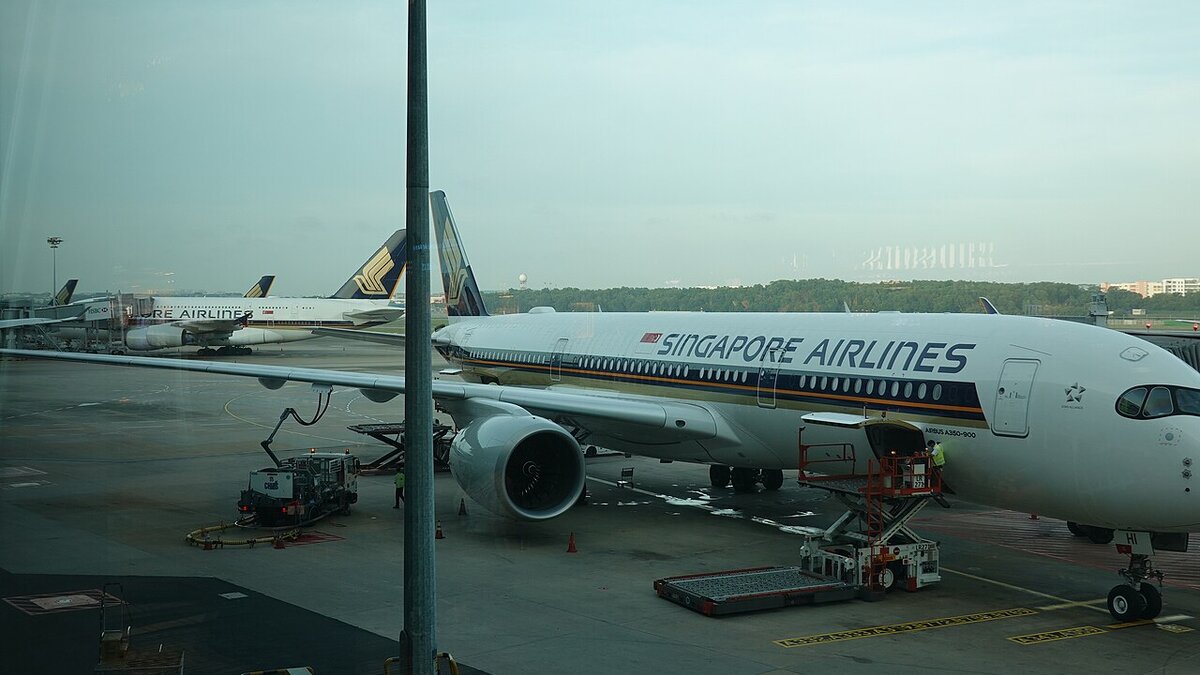
Cover image: A Singapore Airlines Airbus A350 at Changi Airport (Skatebiker, CC BY-SA 4.0, via Wikimedia Commons) — photo by Skatebiker, CC BY-SA 4.0, via Wikimedia Commons.
Singapore will not pressure Singapore Airlines over its investment in Air India, Senior Minister K. Shanmugam said on September 6, as the Indian carrier seeks about Rs 10,000 crore (US$1.1 billion) in fresh shareholder support. The decision on further funding, he said, belongs to SIA management alone.
"We should leave it to SIA to decide what it does with its investments," Shanmugam told reporters. "It is a principle of the Singapore government not to intervene in individual investment decisions or apply political pressure." Directing corporate calls, he added, would undermine commercial discipline and risk politicising business judgment.
How much does SIA own of Air India?
Tata Sons holds 74.9% of Air India with SIA owning the remaining 25.1%. Any new money is expected to come pro-rata to those holdings, released in instalments tied to performance milestones rather than as a single cheque.
Shanmugam said SIA must weigh any infusion against its own resources and Air India's prospects for durable profit growth. The outcome, he said, will be shaped by "commercial considerations, financial discipline and the airline's long-term investment prospects". Temasek Holdings, SIA's majority owner, makes portfolio choices independently, and the government does not steer individual investments.
Shanmugam framed the hands-off stance as doctrine, not convenience. Directing corporate investment decisions, he said, would undermine commercial discipline and risk politicising business judgments. The minister stressed that accountability still runs the other way: SIA's management must answer to its shareholders and the public for whatever it decides, and any infusion will be measured against Air India's ability to generate durable profit growth from its own resources.
Why does Air India need the money?
The funding ask comes during a brutal stretch: a fatal Boeing 787 Dreamliner accident, prolonged airspace shutdowns over Pakistan forcing long detours, and elevated fuel bills linked to Middle East tensions. The airline is also mid-turnaround under new chief executive Tewolde Gebremariam, who has vowed to put safety first, with chairman N. Chandrasekaran demanding world-class safety and tighter costs.
For travellers, the signal is steadiness: no forced moves and no political rescue, just a commercial call judged against milestones rather than sentiment. SIA management must still answer to its own shareholders and the Singapore public if it writes another cheque.
The Air India funding question at a glance
| Question | Detail |
|---|---|
| Amount sought | About Rs 10,000 crore (US$1.1 billion) |
| Tata Sons share | 74.9% |
| SIA share | 25.1% |
| Structure | Pro-rata contributions in instalments tied to performance milestones |
| Who decides for SIA | SIA management; Singapore government will not intervene |
The stance fits how Singapore handles its linked companies: Temasek owns the majority of SIA but picks its portfolio without ministerial direction, and ministers have now said publicly that aviation investments are no exception. SIA itself keeps growing its own network meanwhile, including added Bali winter frequencies, a reminder that the Air India call is one line in a much larger investment book.
Frequently asked questions
Will Singapore intervene in SIA's Air India investment?
No. Senior Minister K. Shanmugam said on September 6, 2026, that the Singapore government will not intervene in or apply political pressure on any decision Singapore Airlines makes about its Air India stake. He said SIA should assess further funding on commercial grounds.
What is SIA's stake in Air India?
Singapore Airlines owns 25.1% of Air India, with Tata Sons holding 74.9%. The stake dates to the merger of Vistara, SIA's former Indian joint venture, into Air India.
How much funding is Air India seeking?
About Rs 10,000 crore (US$1.1 billion) in additional shareholder support, contributed pro-rata by Tata Sons and SIA and disbursed in instalments linked to performance milestones, according to reports cited by Indian and Singapore media.
Why is the investment debated?
The request comes after a fatal Dreamliner accident, costly Pakistan airspace detours and high fuel prices, raising questions about how fast Air India can reach durable profitability. Shanmugam's position is that SIA's management, accountable to its shareholders, must make that judgment call.
When will SIA decide on the funding?
No deadline has been set. Reports indicate the roughly Rs 10,000 crore would be disbursed in instalments linked to performance milestones, so SIA can judge each tranche against Air India's progress on safety, costs and profitability before committing the next one.