Singapore Airlines will cut Bali winter capacity and move half its Singapore-Bali rotations to Boeing 737-8 MAX from 25 Oct 2026, trimming 787-10 frequencies.
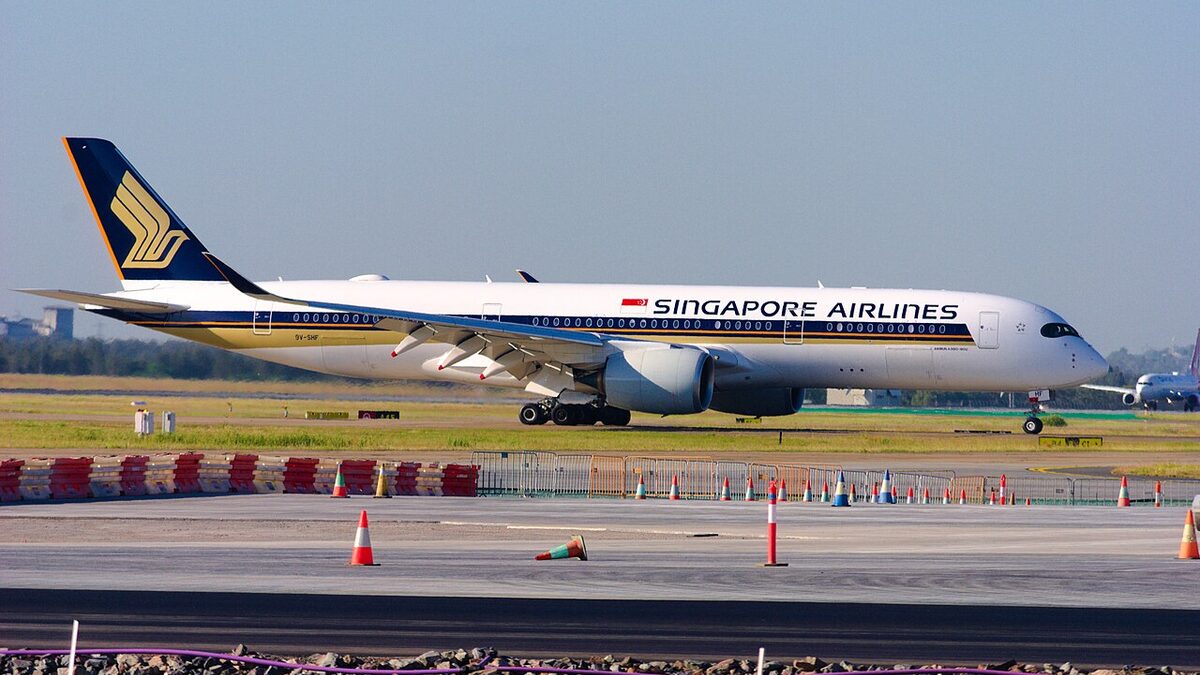
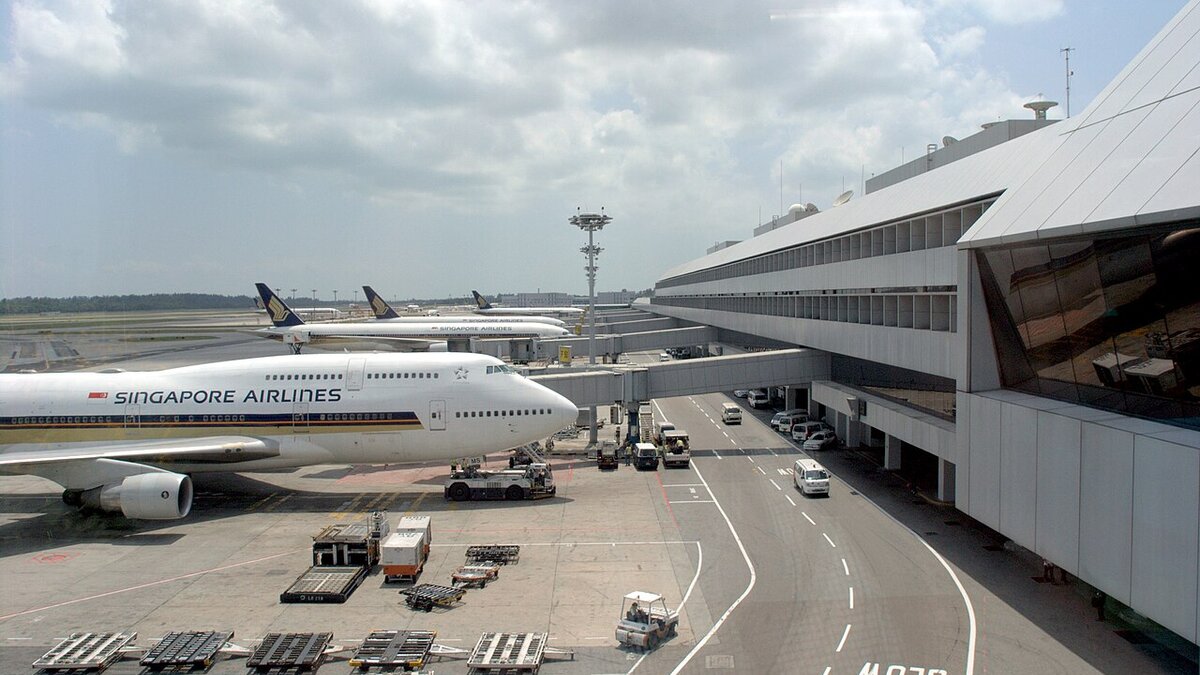
Cover image: Singapore Airlines aircraft parked at Changi Airport — photo by J. Petersen, CC BY 2.5, via Wikimedia Commons.
Singapore Airlines will move half of its Singapore-Bali daily rotations to the Boeing 737-8 MAX from 25 October 2026 and trim winter capacity, with three Boeing 787-10 rotations each seeing a three-week gap during the northern winter 2026/27 season. The change affects Singapore Changi (SIN) to Bali Ngurah Rai (DPS), a key transit for Indian travellers heading to Bali via Changi.
The MAX restores equipment SIA previously planned for Bali before fleet reshuffles. By switching half the daily rotations to the 737-8 MAX, SIA keeps frequency while lowering seats per flight versus the 787-10. For passengers, the practical difference is cabin layout, overhead bin size and a single-aisle experience on the four-hour hop.
What is changing on Singapore-Bali this winter?
Aviation schedule filings for northern winter 2026/27 show SIN-DPS will see half the daily rotations on the 737-8 MAX from 25 October 2026. The other half remains on widebodies, but three 787-10 rotations will each have a three-week gap during the season, according to the carrier's update filed with schedule data.
In practice that means slightly fewer weekly seats in the winter trough while keeping at least one or two daily options. SIA has operated up to four daily rotations in peak periods; the winter adjustment brings it closer to two to three daily depending on the week. Travellers should check the aircraft type shown at booking, as it can vary by day.
For background on Singapore as a hub, see Singapore-Thailand Leaders Retreat and our cost guide How much does a Singapore trip cost from India.
Why the 737 MAX on a leisure widebody route?
Bali has been a widebody leisure route for SIA, often on the 787-10 and previously the 777. The 737-8 MAX offers about 150 to 160 seats in SIA's configuration versus roughly 300 on the 787-10, so swapping half the rotations trims capacity without cutting frequency.
The aircraft also restores a previous plan. The MAX was originally slated for Bali before deliveries and network priorities shifted capacity to other Southeast Asia and Australia flying. Its return reflects a more measured winter demand outlook and the need to free 787-10s for longer sectors where cargo and premium demand are stronger.
For travellers the MAX is a modern narrowbody with Boeing Sky Interior, but it is still a single aisle. Overhead space and galley capacity differ from the 787-10. If you are connecting from India with surfboards, dive gear or extra baggage, confirm allowances, as the narrowbody hold is tighter.
What does it mean for Indian travellers transiting Changi?
Bali is a top winter destination for Indians, and many itineraries transit Changi on SIA or low-cost connections. The winter change does not cut the route, but it reduces peak-day seats and introduces aircraft-type variance that can affect upgrade and seat-map displays.
Three practical tips:
- Check aircraft at booking. If you prefer a widebody for comfort or baggage, pick the 787-10 rotations where still scheduled, and avoid the three-week gaps.
- Mind connection times. Changi's 50-minute minimum transit still applies, but a 737 arrival at a different pier can mean a longer walk. Keep at least 90 minutes if you need to clear to another terminal.
- Compare alternatives. If SIA winter fares rise on constrained days, check Bali hotel occupancy trends and where to stay in Bali for Indian tourists to shift dates by a day or two, often saving more than the airfare difference.
Visa remains simple. Indians get Visa on Arrival/e-VOA for Bali (IDR 500,000, 30 days + 30-day extension) at Ngurah Rai. Factor the Bali tourist levy (IDR 150,000) and keep e-VOA printouts handy at Changi check-in, as SIA staff verify Indonesia entry documents at departure from India.
| Route detail | Winter 2026/27 plan |
|---|---|
| Route | Singapore SIN — Bali DPS |
| Start of change | 25 October 2026 |
| Aircraft split | Half daily rotations 737-8 MAX, balance 787-10 with gaps |
| Capacity impact | Three 787-10 rotations each paused three weeks |
| Aircraft difference | MAX ~154 seats vs 787-10 ~337 seats |
Frequently asked questions
How are Singapore Airlines Bali flights changing this winter?
From 25 October 2026, half of the daily Singapore (SIN) to Bali (DPS) rotations will operate with the Boeing 737-8 MAX, while three Boeing 787-10 rotations will have three-week gaps during the northern winter 2026/27 season.
Why is SIA using the 737 MAX on Bali?
The 737-8 MAX restores its original equipment on the route and lets SIA match capacity to winter demand. The aircraft offers lower trip costs than widebodies and keeps frequency while trimming seats.
Does this affect Indian travellers via Singapore?
Yes if you transit Changi to Bali. Check your aircraft type at booking, especially for checked baggage and through check-in from India. The 737-8 MAX has a different cabin and overhead bin size than the 787-10.
How many SIA flights are there from Singapore to Bali?
SIA typically runs multiple daily rotations on SIN-DPS in peak season. For winter 2026/27, half the daily rotations move to the MAX and three 787-10 rotations are paused for three weeks each, slightly reducing total weekly seats.