Flight and hotel spending by Malaysians on Trip.com both grew by triple digits in H1 2026, the fastest rate in Southeast Asia, with short-haul Asia taking two-thirds of outbound bookings.
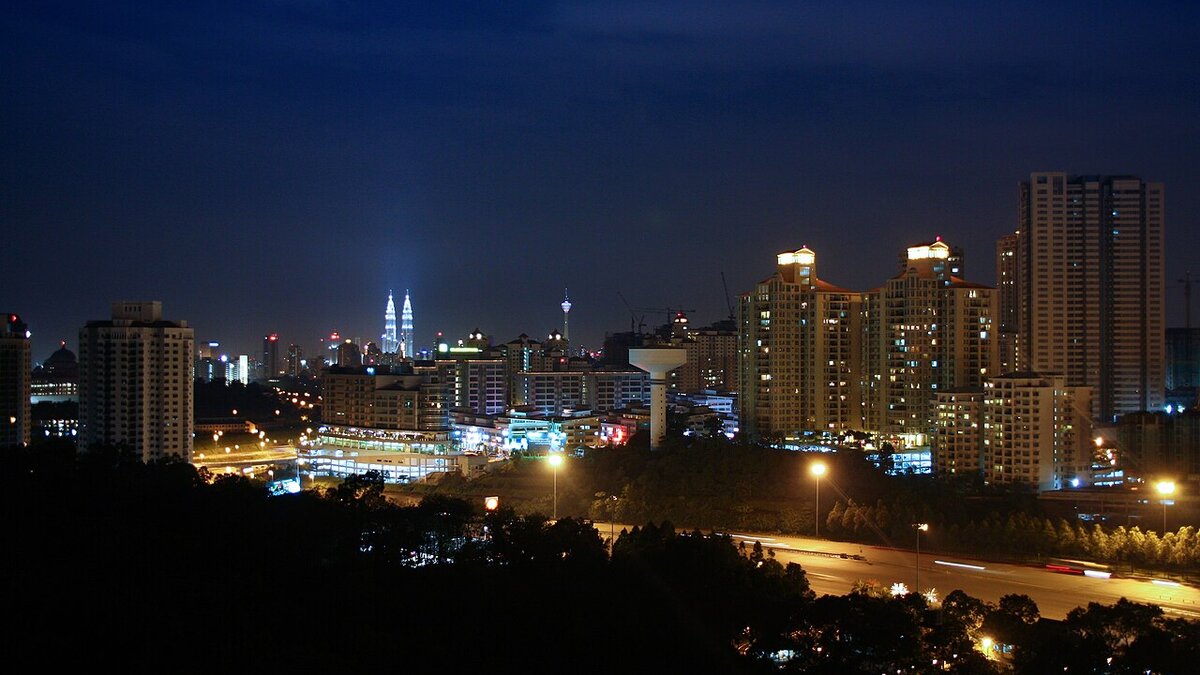
Cover image: the Kuala Lumpur skyline with the Petronas Towers at dusk — photo by Marek Ślusarczyk (Tupungato) Photo portfolio, CC BY 3.0, via Wikimedia Commons.
Malaysia has emerged as Southeast Asia's fastest-growing travel spender in the first half of 2026. Flight and hotel spending by Malaysian travellers on Trip.com's platform both posted triple-digit year-on-year growth in H1 2026, the highest rate of any Southeast Asian market, according to Trip.com data reported on 4 September. Outbound travel is outpacing domestic trips, bookings are being placed earlier, and travellers are spending more deliberately on experiences, premium stays and ground services.
Close to two-thirds of outbound flight bookings are short-haul, with China, Indonesia, Singapore, Thailand and Japan ranking as the top five outbound destinations. The figures point to a Malaysian traveller who plans further ahead and curates more of each journey, a shift Trip.com Malaysia general manager Stephane Thong called "increasingly intentional" travel.
How fast is Malaysian travel spending growing?
Both headline categories, flights and hotels, grew by triple digits compared with H1 2025, putting Malaysia ahead of every other Southeast Asian market on Trip.com's platform. The momentum is broad-based rather than concentrated in one segment.
Attractions bookings nearly quadrupled year on year, while cruise and train bookings each more than doubled. Close to half of all overseas hotel bookings are now for four and five-star properties, a clear premium tilt. Trip.com's car-rental business recorded consistent double-digit monthly growth through the half, with Malaysians ranking among its top bookers, and airport transfers grew strongly across Kuala Lumpur, Penang, Kota Kinabalu, Langkawi, Tawau and Johor Bahru, with Kuching joining the network in July 2026.
Where are Malaysians travelling in 2026?
Short-haul Asia dominates. Around two in three outbound flight bookings stay within the region, and the top five destinations (China, Indonesia, Singapore, Thailand and Japan) are all within a few hours' flying time of Kuala Lumpur. That mix favours frequency: shorter trips, booked more often, with experiences layered on.
The pattern also explains the ground-transport boom. Malaysians are increasingly flying to a domestic destination and then renting a car locally, choosing flexibility over fixed tour schedules. Travellers heading further afield should note that entry rules vary widely across the region; our Malaysia visa guide for 2026 sets out the current 30-day visa-free arrangement.
Who is driving the growth?
Travellers aged 25 to 34 form the largest booking group on Trip.com's Malaysian platform, followed closely by those aged 35 to 44. Together the two cohorts account for nearly half of all bookings, so millennial and working-age preferences set the tone: digital planning, experience-led itineraries and a willingness to pay for quality.
Bookings are being placed more than a month in advance on average, nearly a week earlier than the same period last year. That longer planning window benefits suppliers across the chain, from attractions to transfer operators, and it aligns with the recent Jin Jiang and Trip.com pact to expand hotel inventory across ASEAN, which will add bookable supply just as Malaysian demand peaks.
What does intentional travel mean for the industry?
Thong's read is that Malaysians are curating more aspects of each trip, from attractions and premium stays to car hire and airport transfers, rather than simply picking a destination. For travel sellers, the implication is to merchandise the whole journey: the data shows growth in every ancillary category, not just flights and rooms.
For destination marketers, the message is equally direct. Malaysia's outbound surge rewards places that are easy to reach, easy to navigate and rich in bookable experiences, which describes most of the top five list. Expect rival destinations to sharpen their Malaysia-facing pitches through the second half of the year.
Frequently asked questions
How much did Malaysian travel spending grow in H1 2026?
Flight and hotel spending on Trip.com's platform both achieved triple-digit year-on-year growth in the first half of 2026, the fastest rate in Southeast Asia. Attractions bookings nearly quadrupled, cruise and train bookings more than doubled, and car rentals grew by double digits every month.
Where do Malaysians travel most?
China, Indonesia, Singapore, Thailand and Japan were the top five outbound destinations in H1 2026. Close to two-thirds of outbound flight bookings are short-haul trips within Asia, favouring frequent, shorter holidays over occasional long-haul ones.
How far ahead do Malaysians book?
Outbound bookings are placed more than a month in advance on average, nearly a week earlier than in H1 2025. Earlier booking is one of the behaviours Trip.com cites as evidence of more deliberate, intentional trip planning.
What is intentional travel?
As used by Trip.com, it describes travellers who plan earlier, spend more on experiences relative to transport and lodging, and assemble trips from individually chosen parts (attractions, premium hotels, rental cars, transfers) instead of buying a one-size package. Malaysian data shows the shift clearly across every category.