Police named 113 suspects over 4,741.89 hectares burned from January to early September 2026, with Riau worst hit and firms warned they face prosecution too.
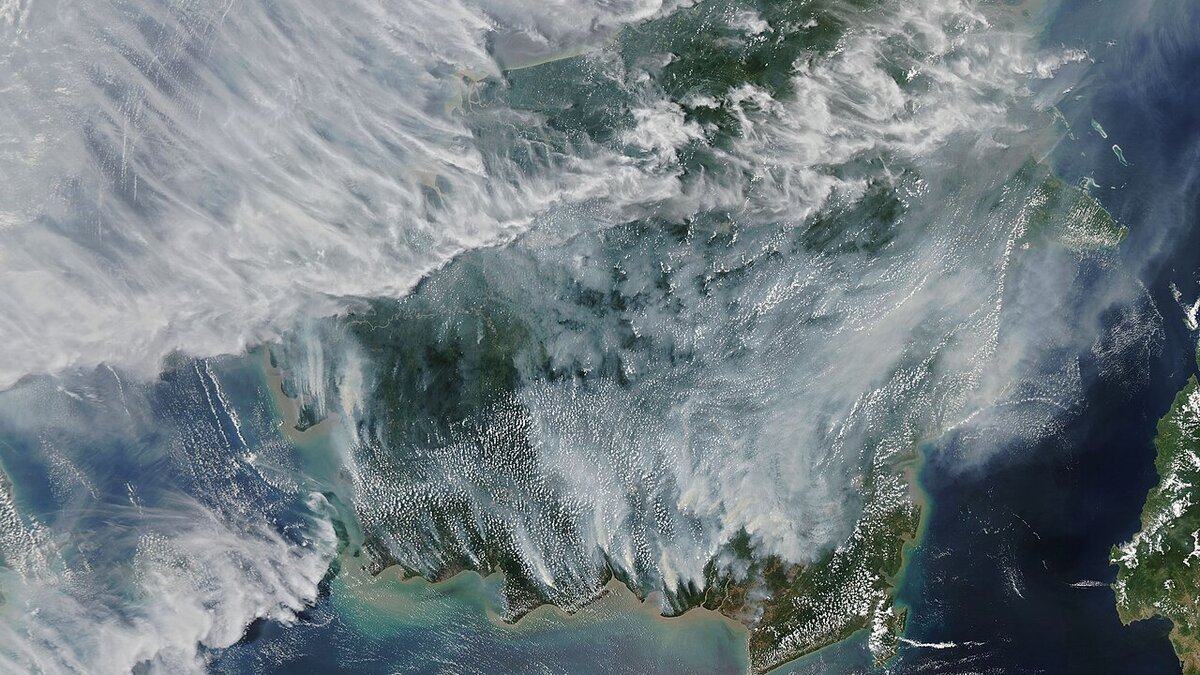
Cover image: satellite view of wildfire smoke drifting over Borneo — photo by NASA image by Joshua Stevens (LANCE MODIS Rapid Response), Public domain, via Wikimedia Commons.
Indonesian police have named 113 suspects over wildfires that scorched 4,741.89 hectares across the country between 1 January and 4 September 2026, turning the annual fire season into a criminal enforcement story. Officers processed 169 reports, moved 79 cases to full inquiry and kept 55 in initial screening, national police headquarters said in a statement received on 5 September.
Most suspects are private individuals accused of using banned burning to clear plots on or beside their own land. Riau accounts for the largest share on both counts: 42 suspects and 2,112.25 burned hectares. Police say companies will be pursued wherever evidence emerges, extending liability beyond smallholders for the first time this season.
Where are Indonesia's 2026 wildfires worst?
Riau leads by a distance, followed by West Kalimantan with 1,696.3 burned hectares and Lampung with 637.4. The suspect map tells a slightly different story: after Riau's 42 come South Sumatra and Central Kalimantan with 20 each, East Kalimantan with 13, Jambi with 8, West Kalimantan with 7 and South Kalimantan with 3.
The geography matters for travellers and business. West Kalimantan, where the province has earmarked Rp5.5 billion for haze mitigation, shows fewer suspects but heavy damage, suggesting fires that escape initial control rather than deliberate mass clearing. Riau's concentration of both suspects and burned area points to entrenched slash-and-burn practice.
Will companies face charges too?
That is the explicit warning. Pipit Subiyanto, who heads the police sub-directorate for energy and environmental offences, said investigations continue thoroughly and officers will pursue firms if evidence surfaces at any stage. Public information chief Trunoyudo Wisnu Andiko added that firm action is meant as a deterrent, urging residents to abandon slash-and-burn clearing and report suspected fire crimes.
Corporate liability has real teeth in Indonesia: courts have previously ordered plantation firms to pay billions of rupiah over fire damage. Whether this season produces company suspects will be the number to watch in the next police update.
How does enforcement fit the wider fire fight?
Arrests are one arm of a campaign running on several fronts at once. The same week brought an expanded funding package for ground crews and an extension of airborne rain-making over Borneo's peatlands, while satellite hotspot counts surged past 850 in West and Central Kalimantan. Enforcement targets ignition; the rest of the apparatus targets spread.
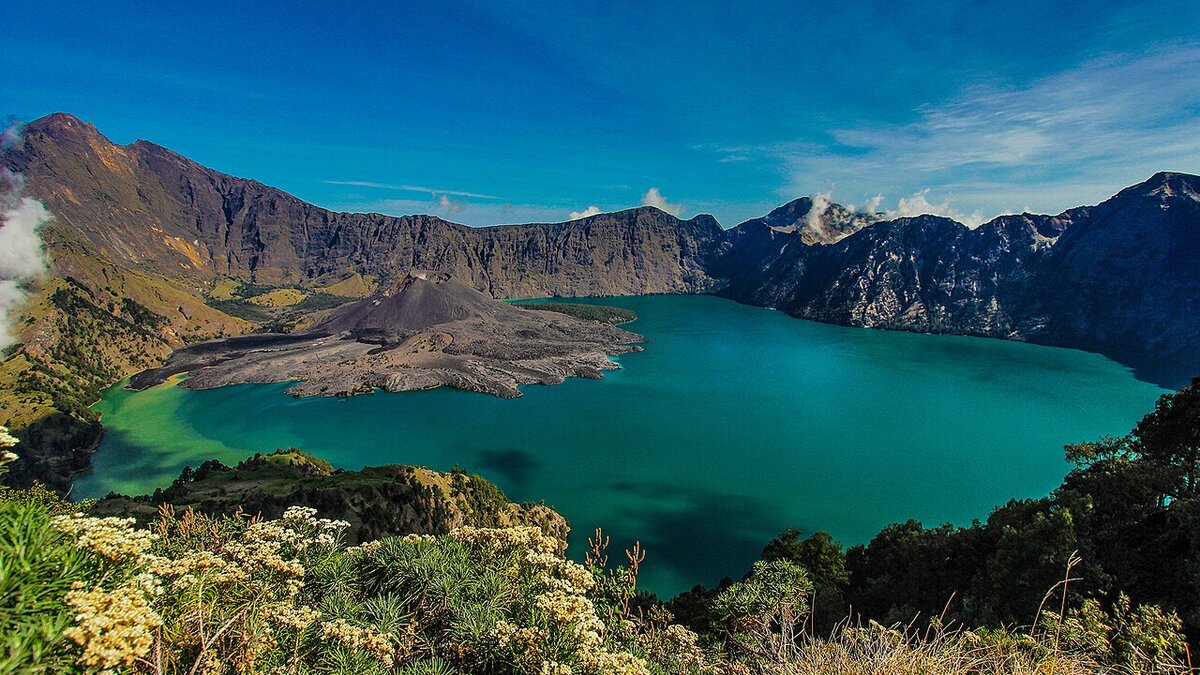
For the travel sector, the practical read is unchanged: fires cluster in Sumatra and Kalimantan's interior peat zones, while Java, Bali and Lombok operate normally. Haze drift toward Malaysia and Singapore remains the cross-border risk, and convictions would signal that Jakarta is serious about the source.
Frequently asked questions
How many wildfire suspects has Indonesia named in 2026?
Police named 113 suspects over fires from 1 January to 4 September, processing 169 reports in total. Seventy-nine cases advanced to full inquiry and 55 remain in initial screening, with officers warning companies face prosecution if evidence implicates them.
Which province is worst hit?
Riau, with 42 suspects and 2,112.25 burned hectares, the largest on both measures. West Kalimantan follows on damage with 1,696.3 hectares, while Lampung recorded 637.4 hectares burned.
Are tourists affected by the fires?
The blazes concentrate in Sumatra and Kalimantan peatland interiors, far from Indonesia's main visitor hubs of Bali, Java and Lombok. The main travel risk is haze drifting over flight paths and across borders toward Malaysia and Singapore during peak burning weeks.
What punishment do fire setters face?
Indonesia's environmental and plantation laws allow multi-year prison terms and heavy fines for individuals, plus far larger corporate penalties. Police publicly frame the current campaign as deterrence, urging residents to report suspected fire crimes.