Is Bali safe in 2026? Yes for most visitors, but petty theft, scams, road crashes and strong currents are the real risks. Areas, advisories and tips for solo and Indian travellers.
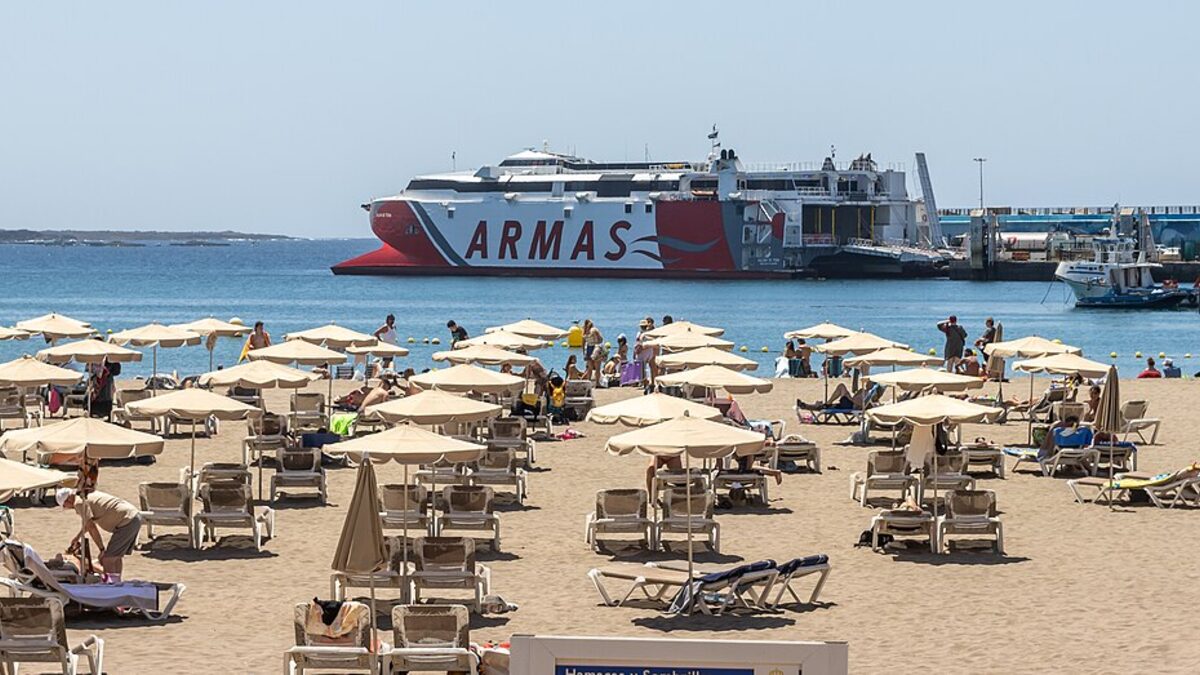
Cover image: tourists on a beach in Bali — photo by Jakub Hałun, CC BY-SA 4.0, via Wikimedia Commons.
Is Bali safe in 2026? For most travellers, yes, but the risks are road crashes, petty crime and ocean currents rather than violent crime. Bali is a major tourism hub with more than 6 million foreign arrivals in 2024 and continued growth in 2026, and government advisories from Australia, the UK and the US all place Indonesia at the lowest or second-lowest warning level. That means exercise normal or increased caution, not avoid travel. The incidents visitors actually encounter are bag snatching on scooters, drink spiking in nightlife areas, and drownings linked to rip currents at Kuta, Seminyak and Canggu.
Context helps. Bali is not an isolated resort island with separate rules. It is a province of Indonesia with Indonesian law, health services and natural hazards. Standards differ from Europe or Singapore, so preparation matters more than worry. Solo travellers, families and Indian visitors report the same pattern: a calm Ubud or Sidemen stay followed by a chaotic traffic day in South Bali.
What do official travel advisories say about Bali right now?
As of late August 2026, the three advisories most travellers check are aligned:
- Australia Smartraveller: Indonesia at Level 1 — exercise normal safety precautions. Notes theft, scams and the risk of drink spiking.
- UK FCDO: no warning against travel to Bali. Advice focuses on scams, road safety and natural hazards.
- US State Department: Indonesia at Level 1 — exercise normal precautions. The same page reminds Americans that earthquakes and volcanic activity can disrupt travel.
All three flag the same recent context: Mount Lewotobi Laki-Laki on Flores and other eastern volcanoes caused ash-linked flight delays in mid-2025, but Bali’s Ngurah Rai Airport was not closed. Alerts can change quickly during eruptions, so check your own government feed in the week you fly. If you use travel insurance, keep the advisory screenshots. Insurers often tie cover to the advisory level at departure.
What are the most common safety risks in Bali?
Four patterns account for most visitor incidents reported to consulates and local police:
- Road crashes: Scooters dominate. Helmets are required by law, but hiring checks are uneven and traffic mixes scooters, vans and tourist shuttles on narrow roads. Australia and the UK both list road accidents as the leading cause of hospitalisation. If you ride, hire from a registered shop, check brakes and lights, and avoid riding after rain or at night. Travel insurance that explicitly covers motorcycle riding is essential, and many policies require a valid motorcycle licence.
- Theft and scams: Bag snatching by passing scooters on beach roads, phone theft at markets, and short-change scams at money changers with manipulated calculators. Use a cross-body bag in crowded areas and change money at banks or reputable exchangers with posted rates and a receipt. The classic taxi overcharge still happens — use app-based rides where coverage allows and agree on the fare before departure.
- Drink spiking and methanol: The Australian advisory specifically warns about drink spiking in Bali and Lombok nightlife, and about arak (local spirit) adulterated with methanol. Do not accept drinks from strangers, watch your drink, and avoid unlabeled spirits.
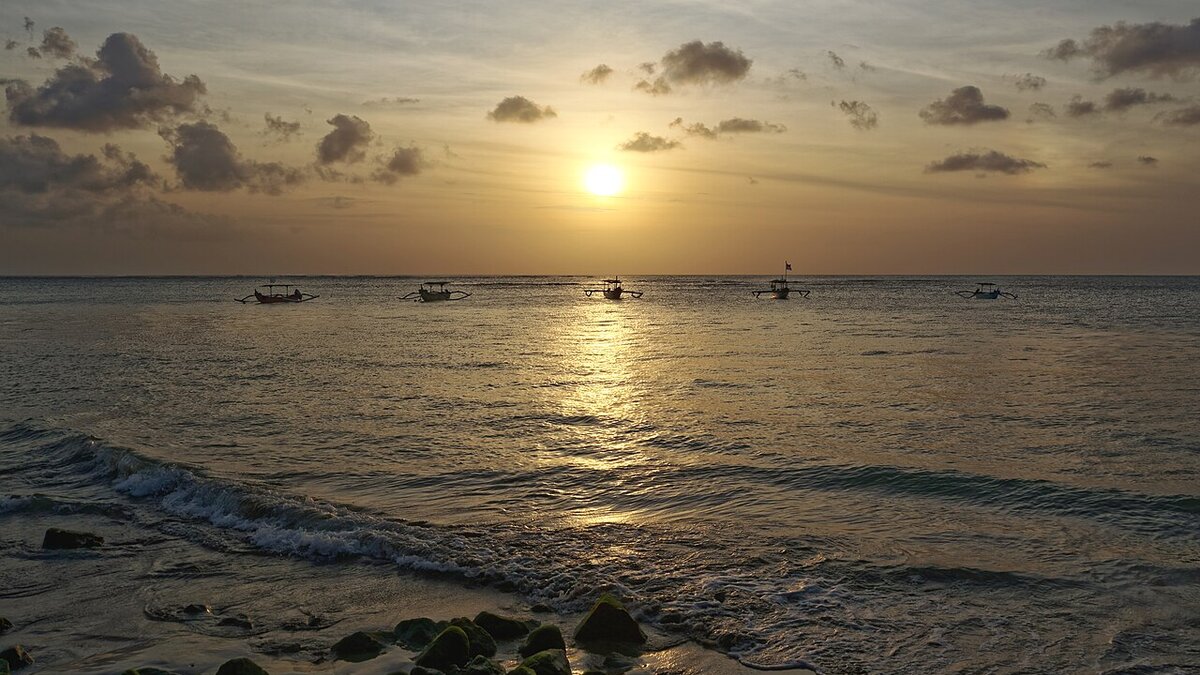
- Ocean and river currents: Kuta, Seminyak, Canggu and Uluwatu can have powerful rip currents even on calm-looking days. Lifeguard coverage is limited compared with Australia. Swim between flags where present, avoid swimming after dark or after consuming alcohol, and treat red-flagged beaches as no-swim days.
Violent crime against visitors is rare. Petty theft and fraud are the everyday issues. Areas where reports cluster are the southern nightlife strip from Kuta to Seminyak late at night, and the isolated roads north of Ubud after dark.
Is Bali safe for solo female travellers and families?
Bali is one of the more frequented destinations for solo female travellers in Southeast Asia, and local attitudes in tourist areas are generally welcoming. The precautions are similar to other busy island destinations:
- Choose accommodation with 24-hour reception or a staffed villa gate, especially outside South Bali. Sidemen, Ubud central and Sanur have a quieter, family-oriented base.
- Use reputable drivers recommended by your hotel rather than unsolicited offers at the airport. Share your itinerary with someone at home and keep a charged power bank.
- At night, avoid walking alone on unlit beach paths and watch for uneven pavements. If you feel uncomfortable, step into a hotel lobby or convenience store and order a ride from there.
Families generally report fewer issues because routines avoid the late-night risk window. Keep a close eye on children near pools and on cliff paths at Uluwatu and Nusa Penida. Bali’s hospitals in South Bali are private and charge up front, so carry your insurance card. For general preparation, our Thailand vaccinations explainer outlines the same Southeast Asia vaccines and mosquito advice that also apply in Bali, and our cheapest time to visit Koh Samui guide compares seasonal crowd and weather patterns that are similar across the region.
Health, natural hazards and what to pack
| Hazard | Where and when | Simple mitigation |
|---|---|---|
| Rabies and animal bites | Island-wide, from dogs and monkeys in temples such as Uluwatu | Do not feed or touch animals, consider pre-travel rabies advice, wash and seek care for any bite |
| Dengue and chikungunya | Year-round, higher in wet season November to March | Use DEET repellent, cover ankles at dusk, choose screened rooms |
| Air quality and heat | Hot and humid year-round, 27 to 32 C | Hydrate, use bottled water, rest mid-day |
| Earthquakes and volcanoes | Bali sits on the Ring of Fire; tremors are common, major eruptions are infrequent | Follow local alerts and your embassy feed, keep copies of bookings |
Tap water is not safe to drink. Use bottled water even for brushing teeth if you have a sensitive stomach, and avoid ice from roadside stalls. For Indian travellers, travel insurance that covers hospital cashless treatment in Bali and flight delays is particularly useful given the high share of connecting itineraries via Kuala Lumpur and Singapore. Keep digital copies of your Bali visa receipt and your levy QR, but store your passport separately from your phone when swimming or scootering.
Practical tip: save the local emergency numbers before you go. Police is 110 and ambulance is 118, and tourist police posts operate in Kuta and Ubud. For wider context on costs and connectivity around your Bali trip, see our Schengen insurance cost explainer for how insurers price Southeast Asia add-ons, and our travel insurance guide for what hospital cover actually includes.
Frequently asked questions
Is Bali safe for Indian tourists in 2026?
Yes. Risks mirror those for other nationalities. Keep the same precautions around scooters, late-night areas, and ocean swimming. Carry travel insurance and use licensed drivers.
Is it safe to walk at night in Kuta or Seminyak?
Main streets with shops and hotels are busy and generally fine. Avoid dark beach paths alone late at night and keep bags close to your body on scooters.
Can I drink tap water in Bali?
No. Drink bottled water. Even in upscale resorts, ask whether ice is made from purified water before ordering.
Are there strong currents on Bali beaches?
Yes. Kuta, Seminyak, Canggu and the Bukit beaches can have strong rips. Swim where lifeguards are present and do not swim under the influence of alcohol.
Solo women should also read is Bali safe for solo female travellers — bases, night rules and scooter vs Gojek guidance.