Airports and airlines tabled a six-point plan to fix Schengen EES queues, Brussels set a Christmas deadline, and a hint of flexibility is not yet policy. What changes.
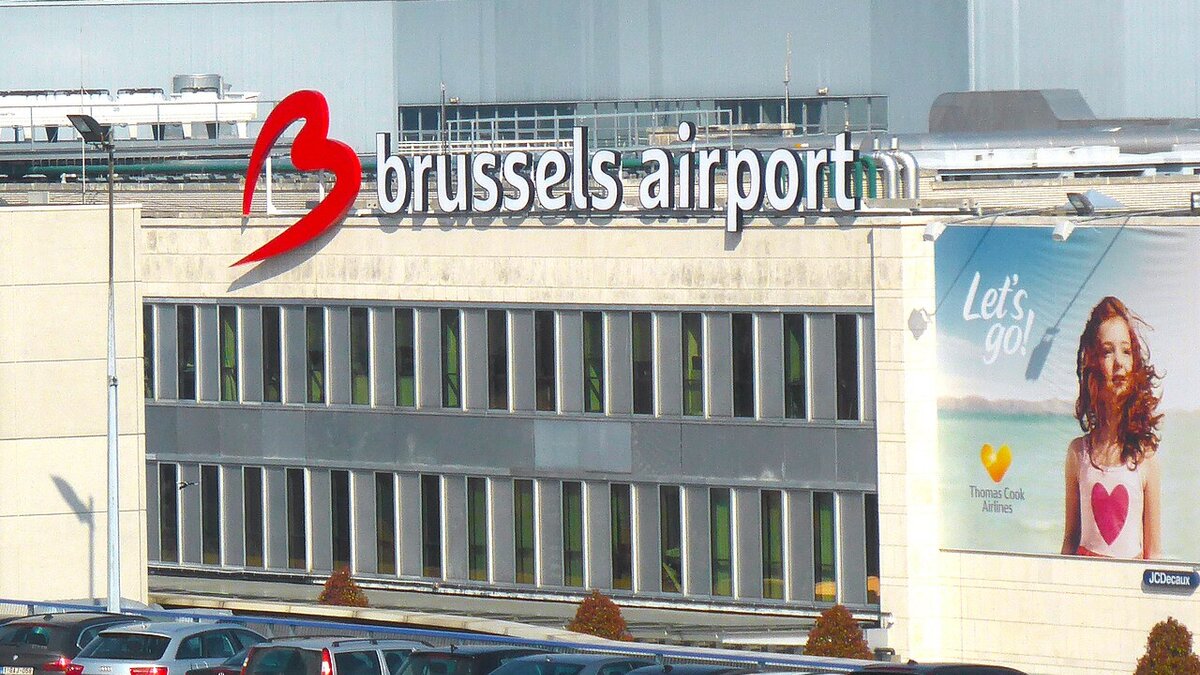
Cover image: The exterior of Brussels Airport terminal, where non-Schengen arrivals queued for up to five hours (file photo) — photo by https://www.flickr.com/photos/-jvl-, CC BY 2.0, via Wikimedia Commons.
Europe's airports and airlines have tabled a formal six point plan to fix the Schengen Entry Exit System, and Brussels has told capitals to clear the queues before Christmas. Nearly six months after full implementation, border waits routinely exceed two hours at busy times and reach five hours at peak, hitting every inbound operator that depends on non EU visitors. This updates our September report on EES queues: what is new is the industry's formal fix it plan, a Christmas deadline from the migration commissioner, and a hint of further flexibility from a Commission official that falls well short of a policy decision.
The industry message is blunt. ACI EUROPE and Airlines for Europe say this is no longer a teething problem, and that passengers, airports and airlines cannot keep paying the price. EU migration chief Magnus Brunner has put the onus squarely on member states, saying they had enough time to prepare and that it is up to them to do their job. With the Christmas peak approaching and the Commission's tourism strategy due on 4 November, according to Skift, the next few weeks decide whether the suspension safety valve returns.
How bad are the EES queues now?
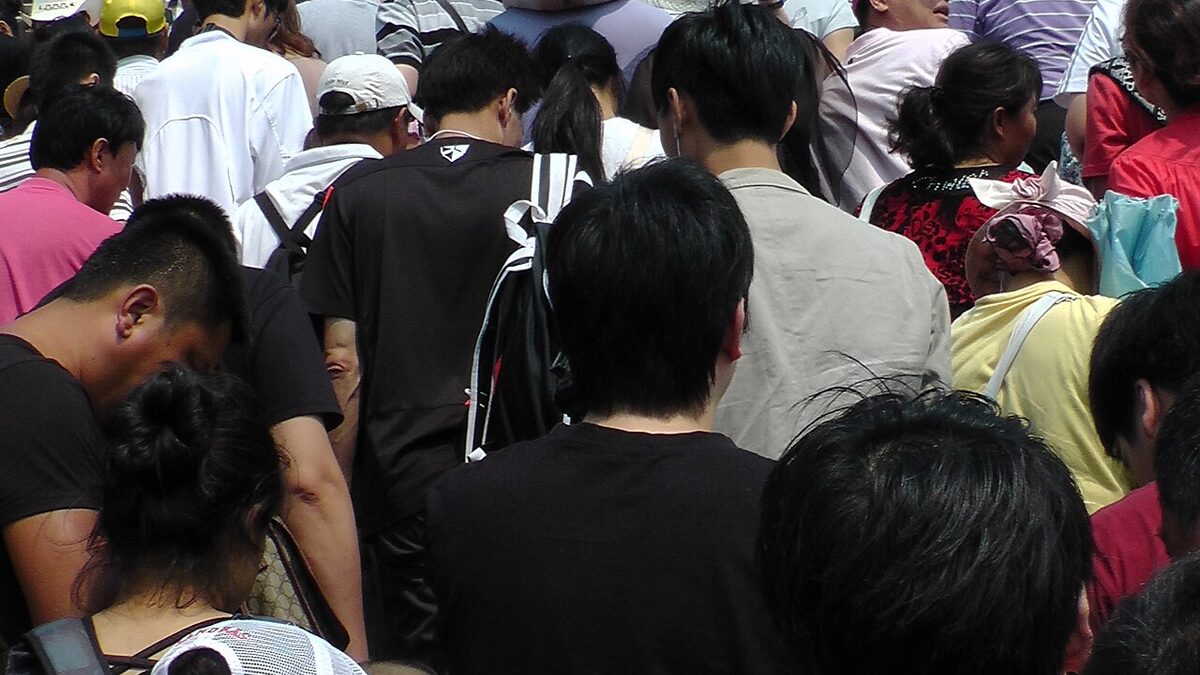
The joint industry release of 12 October reports delays of up to five hours in extreme cases, with two hour waits routine at busy periods. Consequences include missed flights and connections, terminal congestion and pressure on border, airport and airline staff. Brussels Airport is the showcased failure: non Schengen arrivals waited up to five hours at passport control in the last week of September, despite 12 extra border booths, facial recognition cameras in 33 booths and 61 self service kiosks.
The arithmetic explains why. Belgium's interior ministry says all 12 arrival positions were staffed, but the infrastructure handles only 500 to 600 non Schengen passengers an hour against nearly 3,500 landing between 06:00 and 10:00 on busy mornings. Under revised procedures some travellers, including US visitors, must see a staffed desk even after registering at a kiosk. The scale of the system is enormous: Brunner cites about 230 million entries and exits recorded at 1,500 crossing points, with 80,000 people refused entry including 2,000 flagged over suspected terrorism or organised crime links.
What is in the six point fix plan?
ACI EUROPE and Airlines for Europe tabled these proposals on 12 October:
| Point | What it means |
|---|---|
| Remove double verification | Stop checking travellers twice at the same crossing |
| Optimise biometric verification | Speed up fingerprint and face capture at the booth |
| Prevent duplicate profiles | Stop the same traveller accumulating multiple EES records |
| Upgrade the Travel to Europe app | Rethink pre registration and the web portal to raise take up |
| Accelerate automated border control | More e gates for third country nationals, harmonised across states |
| Permanently restore partial suspension | Let borders skip biometric registration when waits become excessive |
The causes the plan targets are inadequate border staffing, instability in the IT systems behind EES, limited deployment of self service kiosks and automated gates, and the limited functionality and take up of the Travel to Europe pre registration app. The joint quote from Olivier Jankovec of ACI EUROPE and Ourania Georgoutsakou of A4E concedes the achievement first: the system has strengthened the security of Europe's external borders. Then comes the warning: Europe needs border management that is both secure and operationally effective. Travellers still planning around ETIAS should read our ETIAS timeline update alongside this story.
Will Brussels bring back flexibility before Christmas?
Commissioner Brunner, speaking to Politico, said member states had enough time to prepare, called EES a security issue that has to work, and said he was very confident the problems can be fixed before the holiday surge, pointing to EU funding and Frontex support. That puts delivery responsibility on capitals, several of which he described as a bit behind.
Separately, Maja Bakran Marcich, a deputy director general for mobility and transport, told the Skift Transatlantic Summit in Dublin on 15 October that there will be some further flexibility and that a balance will be found. Two cautions apply. First, this is single sourced from a paywalled Skift report. Second, she works in the transport directorate while EES is run by the home affairs side under Brunner, so her remark is not a policy decision and flexibility has not been reinstated. She also said the queues themselves are here to stay. The emergency option to skip biometric registration expired in early September; EES started on 12 October 2025 and has been fully operational at all external crossings since 10 April 2026. Operators selling Schengen itineraries should also keep our Schengen visa guide and our UK ETA explainer to hand, since confused travellers will ask about every border change at once.
Frequently asked questions
How long are Schengen EES queues right now?
Waits routinely exceed two hours at busy times and reach five hours at peak in the worst cases, notably Brussels Airport in late September. Airports warn of missed connections and terminal congestion until staffing, IT and automation improve.
What is the six point EES plan?
Airports and airlines propose removing double verification, optimising biometrics, preventing duplicate profiles, upgrading the Travel to Europe app, accelerating automated border control, and permanently restoring the option to suspend biometric registration when waits become excessive.
Has the EU reinstated EES flexibility?
No. A Commission transport official hinted at further flexibility at an industry event, but that is not a policy decision and the emergency suspension option that expired in early September has not returned. Member states face a political Christmas deadline instead.
Which travellers are worst affected?
EES applies to every non-EU traveller entering the Schengen area, so arrivals from the UK, US, India, the Gulf and Asia are all exposed. At Brussels Airport, revised procedures send some travellers, including US visitors, to a staffed desk even after registering at a kiosk. Tour operators, DMCs and MICE organisers should build buffer time into transfers and connections.
Sources
- ACI EUROPE, No end to Schengen EES disruption unless structural issues fixed
- Travel Tomorrow, EU migration chief tells states to fix EES queues before Christmas
- Brussels Signal, Brussels tells capitals to clear airport queues
- Travel Tomorrow, Airports and airlines call for urgent EES action plan
- Skift, Easing EU border friction: there will be flexibility, official says