Yes, Vietnam is generally safe for Indian tourists in 2026 with violent crime rare, but bag-snatching, transport accidents and scams require vigilance. The UK FCDO lists no do-not-travel zone for most of Vietnam and advises caution on roads, overnight buses and drinks.
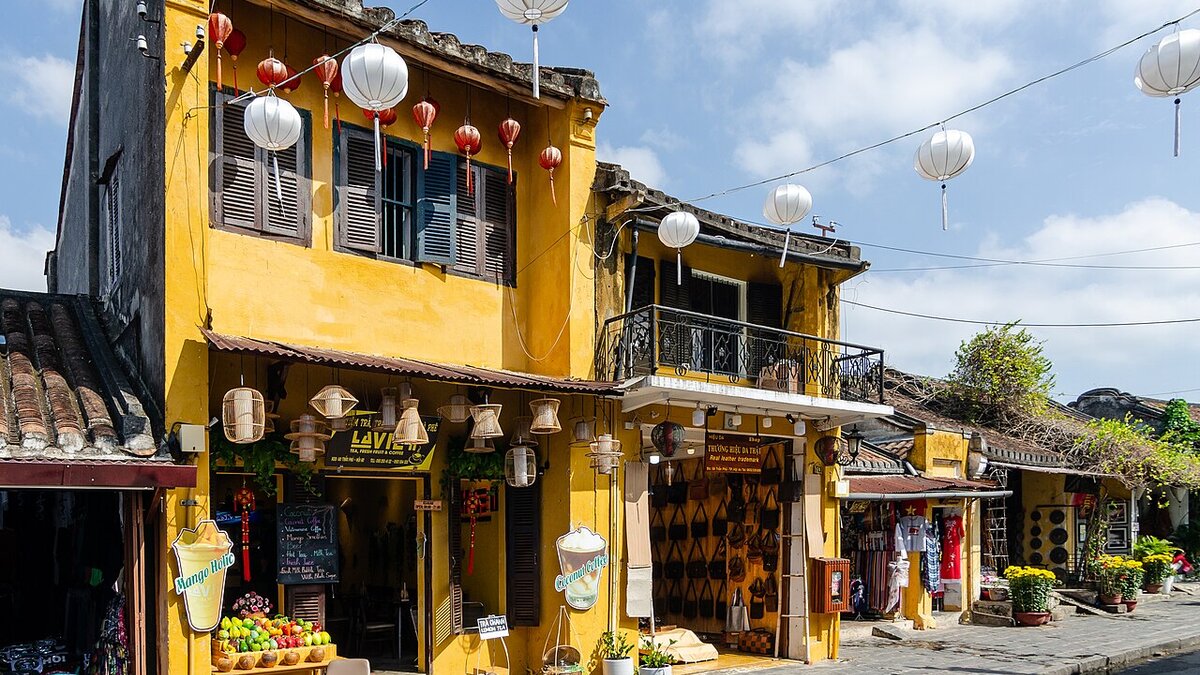
Cover image: Lantern-lit street in Hoi An Ancient Town, Vietnam at dusk — photo by Steffen Schmitz (more photos), CC BY-SA 4.0, via Wikimedia Commons.
Is Vietnam safe for Indian tourists? Yes for most of the country in 2026, with violent crime against visitors described as uncommon by the UK Foreign Office, but street crime, road accidents and scams mean you should travel with the same caution you would in any busy Southeast Asian city. The UK FCDO's Safety and security page for Vietnam carries no blanket advisory against travel to Hanoi (Hanoi vs Ho Chi Minh City), Ho Chi Minh City, Hoi An, Ha Long Bay or Phu Quoc, though it flags frequent bag-snatching by thieves on motorcycles, theft on buses and trains especially overnight sleepers, drink spiking linked to unlicensed taxis, and a high global threat from terrorism that is not Vietnam-specific. The main risks are petty theft, traffic and unregulated transport rather than political or terrorism threats inside Vietnam itself.
What do official advisories say for 2026?
Official pages are the best starting point before forums. The UK FCDO Safety and security advice for Vietnam updated in 2025-2026 lists no do-not-travel area covering the tourist circuit, instead it advises to avoid protests, not to photograph military bases, and to get permission for some border villages. It notes there is a high threat of terrorist attack globally affecting UK interests, but does not point to a recent attack history in Vietnam, and it directs visitors to follow local authorities if an incident occurs. It reminds travellers that the dry months are safer for movement, since the tropical cyclone season from May to November and seasonal river flooding around Hanoi (Hanoi vs Ho Chi Minh City) and the Mekong Delta from June to September in the north and south and October to December in the centre can cause landslides and road blocks.
US guidance during 2026 has kept Vietnam at a routine advisory level rather than a high-risk level that would recommend against travel, while still listing petty crime and traffic as the largest day-to-day risks for Americans. That mix is consistent with what Indian travellers experience: not a danger to stay home for, but a place where small crimes and road danger outweigh any conflict risk. For a broader sense of how advisories work for neighbours, see is Bali safe and is Philippines safe to visit 2026, and our is Thailand safe to visit which uses the same FCDO framing.
What are the most common risks for Indian tourists?
Four patterns recur in recent official and tourism reporting:
- Bag-snatching and pickpocketing: The FCDO calls bag-snatching by motorbike riders common, with theft risk higher on crowded buses and trains, especially overnight sleepers between Hanoi (Hanoi vs Ho Chi Minh City) and Sapa or Ho Chi Minh City and Da Nang. Risk rises around holidays such as Christmas and Tet Lunar New Year. Carry your bag on the side away from the road, keep passports in a front pocket or hotel safe, and surrender valuables if confronted since thieves can be aggressive.
- Scams and trafficking lures: Free bus transfers from airports or stations can be traps, and job offers that look too generous have been used to move job-seekers into neighbouring countries where passports are taken and people are forced into online scamming centres. Book airport transfers through your hotel or a licensed operator rather than touts in the arrivals hall.
- Drink spiking and unlicensed taxis: Reports of assault linked to unlicensed taxis and of methanol-laced alcohol causing deaths even at licensed bars appear in the FCDO notes. Watch your drinks, do not accept food or drink from strangers, and use app-hailed rides such as Grab or XanhSM instead of kerbside taxis with no meter. Keep your accommodation location saved offline so you can direct a driver safely at night.
- Road and water transport: Motorbike accidents are common and have involved British nationals, coach crashes occur more at night due to fatigue, and Halong Bay overnight boats have had rapid-sinking incidents linked to overcrowding. If you self-drive a bike, wear a proper helmet and avoid night riding on highways. For boats, check that the operator is registered, that a safety briefing is given and that lifejackets are available before you board.
Other legal points catch tourists by surprise. You must carry photo ID, drug laws carry long sentences and even the death penalty, police can drug-test during raids, and vapes and related products are banned from import or purchase. Buying wildlife products can mean a fine or prison term, so avoid souvenir stalls selling turtle shell or ivory.
Are there any areas Indian tourists should avoid?
Vietnam does not have a northwest insurgency zone like some neighbours, but the FCDO lists specific caution spots:
- Border communes: Villages near the Laos and China borders may require advance permission from provincial police to visit, so do not plan ad hoc homestays there without checking.
- Former battlefield zones: Central Vietnam and along the Laos border, particularly areas on the former Ho Chi Minh Trail, still have unexploded ordnance and landmine risk, often unmarked. Stay on marked trails if trekking and do not touch metal debris you find in fields or forests.
- Military installations: Do not photograph near bases or ask guards for permission that will not be given.
For the typical Indian itinerary of Hanoi (Hanoi vs Ho Chi Minh City) to Ninh Binh to Halong Bay, then Hue, Hoi An, Ho Chi Minh City and the Mekong Delta, none of these falls in a prohibited zone. The advisory is to use licensed guides for remote trekking and to carry your passport copy while leaving the original in the hotel.
How to stay safe on a Vietnam trip from India
Small habits reduce most of the above risks without changing your itinerary:
| Situation | Safer choice for Indian tourists | Why it helps |
|---|---|---|
| Moving around cities | Use Grab or XanhSM, save hotel address offline | Metered, tracked rides cut the unlicensed taxi assault risk flagged by FCDO |
| Overnight trains and buses | Lock bags, keep valuables on your person, prefer day buses where possible | Theft peaks on sleepers, fatigue raises coach crash risk at night |
| Eating and drinking | Watch drinks, avoid spirits of unknown origin, eat busy stalls | Addresses drink spiking and methanol risk noted in advisories |
| Money and papers | Exchange at official counters, split cash between hotel safe and day bag | Reduces scam rates and limits loss if bag-snatching occurs |
| Weather months | Plan buffer days in cyclone season May-Nov and floods Jun-Dec by region | Avoids being stranded by Hanoi (Hanoi vs Ho Chi Minh City) Red River floods or central Vietnam landslides |
Before you fly, register your trip with the Indian Embassy in Hanoi (Hanoi vs Ho Chi Minh City) or Consulate in Ho Chi Minh City if you want consular reach, and check entry rules in Vietnam e-visa requirements 2026 which covers the 90-day single and multiple entry options that Indians use. Visa practicalities for nearby islands are covered in do I need a visa for Bali if you are pairing Vietnam with Bali.
Frequently asked questions
Is Vietnam safe for Indian tourists overall?
Yes for the main tourist areas in 2026. Violent crime against visitors is described as uncommon, while bag-snatching, petty theft and traffic accidents are the most likely problems. The UK FCDO does not advise against travel to Hanoi (Hanoi vs Ho Chi Minh City), Ho Chi Minh City, Hoi An or Ha Long Bay, but it urges vigilance on roads and in crowds.
Is Vietnam safe for solo female travellers from India?
Solo female travellers generally report safe trips in cities and beach towns, with the same cautions as above. Use app-hailed taxis, avoid isolated streets late at night, watch drinks in bars, and keep accommodation addresses handy. The FCDO notes reports of assault linked to unlicensed taxis, so pre-booking transport matters more than destination choice.
What should Indians avoid in Vietnam?
Avoid overnight buses on tight schedules when fatigued driving raises crash risk, do not bring or buy vapes, do not use drugs, do not photograph military bases, and do not wander in former battlefield areas off marked trails due to unexploded ordnance. On night trains keep bags locked and valuables on your person.
When is the riskiest weather season in Vietnam?
Tropical cyclones from May to November and river flooding from June to September in the north and south and October to December in the centre can block roads around Hanoi (Hanoi vs Ho Chi Minh City) and the Mekong Delta and cause landslides in central Vietnam. Build a buffer day if travelling then.