Yes, Bali is safe for solo female travellers in 2026 in Seminyak, Canggu, Ubud, Sanur and Uluwatu with normal precautions. The real risks are drink spiking, road crashes and overcharged transport, not violent street crime. Here is where to stay, what to avoid and a solo-woman checklist.
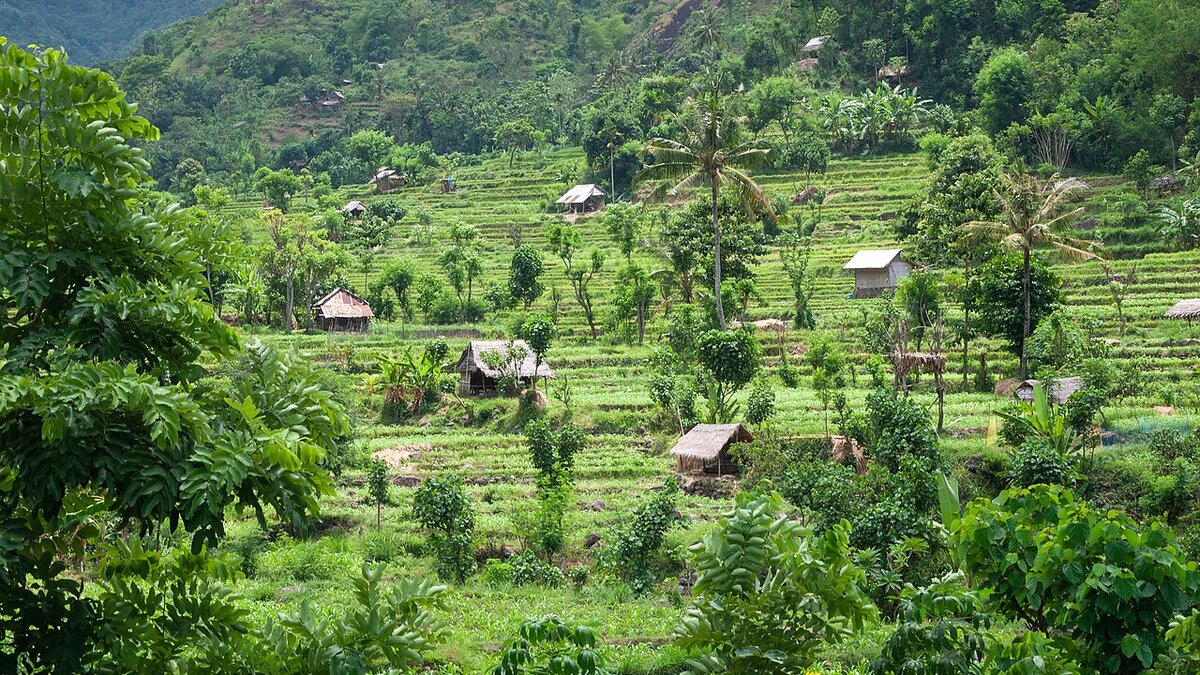
Cover image: a solo female traveller walking through a rice terrace in Ubud, Bali — photo by Vyacheslav Argenberg, CC BY 4.0, via Wikimedia Commons.
Yes, Bali is safe for solo female travellers in 2026 in the main tourist bases of Seminyak, Canggu, Ubud, Sanur, Uluwatu and Nusa Dua when you take the same precautions you would in any busy beach destination. Bali sees more than 6 million foreign arrivals a year and solo women are a routine sight in cafes, yoga studios, co-working spaces and dive centres. Violent street crime against tourists is rare and local community attitudes to foreign women are generally respectful, especially in Ubud and Sanur. The incidents that actually affect solo women are drink spiking in late-night clubs, road crashes on scooters, and being overcharged by opportunistic drivers or beach sellers, all of which are avoidable with a short checklist rather than a reason to skip the island.
This guide gives a street-level safety verdict for 2026, a base-by-base map of where solo women feel most at ease, night and transport rules that remove 80 percent of risk, and an India-specific packing and health note for Indian solo women, many of whom make Bali a first solo trip abroad. Use it with is Bali safe, where to stay in Bali for Indian tourists and can you drink tap water in Bali.
Overall verdict: safe with three avoidable risks
Solo female travel in Bali in 2026 reads as Level 2 caution: low violent crime, medium petty and road risk on most advisory maps. The Australian Smartraveller, UK FCDO and US State Department advisories for Indonesia note no warnings against solo female travel to Bali and flag the same three patterns: petty theft, drink spiking and road accidents. Hostels in Canggu, Ubud and Seminyak run female-only dorms that sell out around Nyepi and in July–August, which itself signals volume — if the island were unsafe for solo women, those bunks would not be full every season.
Where risk concentrates is not mysterious. It is 00:00 to 04:00 at Kuta and Gili T beach bars where poured drinks leave sight, on scooters without a proper licence or helmet on the Canggu shortcut, and in a taxi quoted flat when meters are ignored. Remove those three situations and Bali feels as routine for a solo woman as Goa or Thailand's islands.
Where solo women feel safest — base by base
| Base | Solo-woman read (2026) | Why it suits solo |
|---|---|---|
| Ubud | Very comfortable day and night | Yoga, cafes and rice-terrace walks with steady foot traffic; quiet by 22:00, good hostel and homestay scene, easy day tours. |
| Sanur | Very comfortable, especially for first solo trip | Flat beach, calm sea wall walk, family crowd, daylight cycling, early nights, easy airport connection. Low party risk. |
| Seminyak | Comfortable | Walkable dining and shops on lit streets, Grab everywhere, spa and beach club infrastructure, but watch drink safety at clubs. |
| Canggu | Comfortable, busier traffic | Co-working, cafes and beach clubs, strong hostel scene. Traffic is the hazard — scooters dominate the shortcut. |
| Uluwatu | Comfortable, spread out | Cliff beaches and surf, quiet nights. Distances mean pre-booked Gojek after dark rather than walking. |
| Kuta / Legian | Okay in daylight, caution late-night | Cheapest beds but Kuta Road bars after midnight see most drink-spiking reports. Sleep elsewhere if you plan late nights. |
| Gili islands and Nusa Penida (day or overnight) | Comfortable with boat timing | Small islands, friendly, but time your fast boat to arrive in daylight and confirm return. |
The three risks and exactly how to neutralise them
1. Drink spiking: reports cluster in Kuta, Seminyak beach clubs and Gili T late bars. Buy your own drink at the bar, watch the pour, never leave a glass with a new acquaintance and say no to a shot you did not see opened. A sealed bottle or can you open yourself removes the vector. If you feel suddenly dizzy, tell staff and move to a public, lit area with cameras and call your hostel — staff in established Bali venues are trained for this since 2023 campaigns.
2. Road crashes: Bali's scooter fatality pattern tracks the Canggu shortcut, Uluwatu cliff road and the Denpasar bypass at rush hour. As a solo woman, do not rent a scooter unless you have an International Driving Permit with motorcycle endorsement, a full-face helmet that actually fits, and prior experience in left-hand traffic like India. Otherwise use Gojek or Grab bike and car — a 4 km Gojek bike is INR 50–120, a car 3 to 4 times that — or a hired driver for temple circuits at INR 3,500–5,500 for 10 hours. On a scooter, no night riding, no pillion without helmet, no phone in hand.
3. Transport overcharge and petty theft: flat-rate taxis at the airport and street hails that refuse meters are the drain. Download Gojek and Grab before you fly and book from inside the terminal on Wi-Fi rather than at the hall counter that shouts loudest. For petty theft, a cross-body sling worn front in markets (Ubud Art Market, Sukawati) and a hostel locker for passports and cards do most of the work. Never leave a phone on a beach towel while swimming.
Night rules that solo women actually use in Bali
- Plan to be on a lit street or inside a venue, not on a dark beach or rice-terrace track, after 22:30. Pre-book a Gojek or Grab rather than walking 1.5 km in the dark.
- Tell someone your plan — hostel desk, homestay host or a friend on share location — when you go to a new bar or a remote beach like Green Bowl.
- Stay in places with a 24-hour desk or a host who answers a phone. Sanur, Ubud and Seminyak guesthouses with live hosts beat isolated villas for a first solo night.
- Carry a photocopy of your passport and keep the original locked. Indonesian police checkpoints around Legian and Canggu do ask for ID.
- Tap water is not drinkable, and ice at small stalls can be tap water — order sealed bottles and say no to ice if you have a sensitive stomach. That is the tap water in Bali rule that sends more solo travellers to clinics than any crime report.
Money, health and Indian-specific notes
Money: Bali uses rupiah cash plus cards. Airport money changers advertise a good rate with a small print spread of 2 to 4 percent. Use authorised chains like Central Kuta or bank ATMs and withdraw IDR 2–3 million at once — fee near INR 400 per pull — rather than repeated small withdrawals. A zero-forex card for hotels plus cash for warungs balances fees and safety.
Health: No compulsory vaccinations are required for Indians arriving from India, but hepatitis A and typhoid cover plus routine tetanus is sensible, as for vaccinations for Bali from India. Dengue rises after rains (November–January, April–June) — DEET repellent at dusk matters more than any safety gadget. For a 7-day trip, insurance with at least INR 50 lakh medical cover plus scooter exclusion acknowledged is worth INR 800–1,200 and is checked at some Bali hospital admissions.
For Indian solo women on a first trip abroad: Bali immigration is used to Indians travelling alone and rarely questions solo women beyond return ticket and first hotel address. Temple visits need cover — knees and shoulders covered at Besakih, Tanah Lot and Uluwatu. Sanur and Ubud homestays where the family eats with you are an easy social base if you want company without nightlife.
Frequently asked questions
Is Bali safe for solo female travellers at night?
Yes on lit, busy streets in Seminyak, Canggu, Ubud and Sanur with a pre-booked Gojek or Grab. Avoid dark beaches and rice-terrace tracks after 22:30 and never leave a drink out of sight in Kuta or beach clubs.
Should solo women rent a scooter in Bali?
Only if you have a proper motorcycle licence with IDP and prior left-hand traffic experience. Most solo women do better with Gojek bike for short hops and a hired car with driver for day trips — safer and often cheaper than paying for a scooter, petrol and risk.
Which area should a first solo woman pick in Bali?
Sanur for the calmest first base or Ubud for walkable culture. Both are busy by day, quiet by 22:00 and have strong hostel and homestay networks with hosts who know solo routines.
Is Bali safer than Thailand for solo women?
Both are Level 2 caution and similar day-to-day. Bali feels a touch more relaxed in daylight temple and terrace settings, while Thailand's transport and rail network is broader. Choose on vibe and flights, not on a safety gap.