Delta cut profit guidance on a $6bn fuel hit, Lufthansa is tankering fuel into Frankfurt, Zurich tapped reserves, and Indian carriers added surcharges. The full picture.
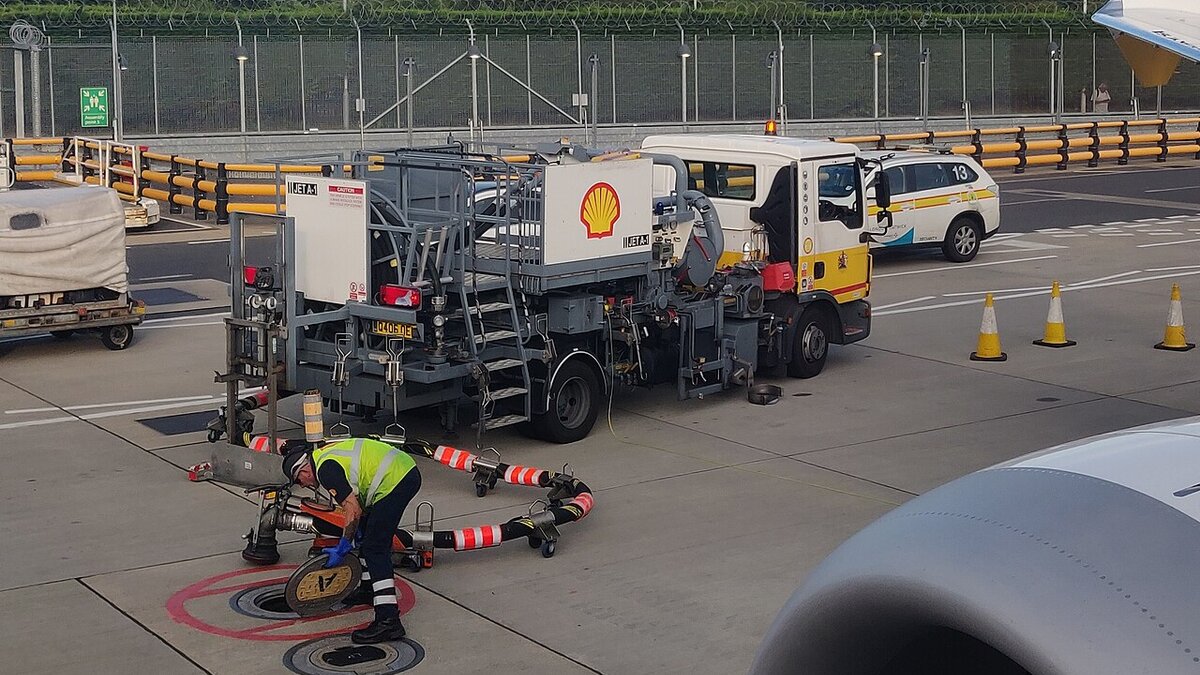
Cover image: A Shell Jet A-1 refuelling vehicle servicing an aircraft on the apron (file photo) — photo by Tim Sheerman-Chase, CC BY 2.0, via Wikimedia Commons.
Jet fuel is now driving airline economics on three continents at once. Delta Air Lines has cut its full year profit guidance after forecasting a 2026 fuel bill $6 billion higher than in 2025, Lufthansa is ordering Frankfurt bound flights to carry extra fuel because pipeline maintenance has squeezed supply at its main hub, Switzerland has authorised emergency jet fuel reserve releases for Zurich, and IndiGo, Air India, Air India Express and Akasa Air have all added fuel surcharges in October. For agents, the practical effect is immediate: itineraries priced last month are being requoted with new carrier imposed charges.
The numbers show an industry absorbing a shock rather than passing it on in full. Delta still posted record adjusted revenue of $17.6 billion for the September quarter, up 16 per cent, yet reported (GAAP) net income fell 47 per cent to $756 million, while adjusted net income rose 2 per cent to $1.13 billion. IndiGo says fuel prices rose more than 14 per cent month on month to among their highest levels in a decade. Physical supply, not just price, is now the problem at two of Europe's biggest hubs. Each development below is attributed to its source.
Delta cuts guidance as fuel costs surge $6 billion
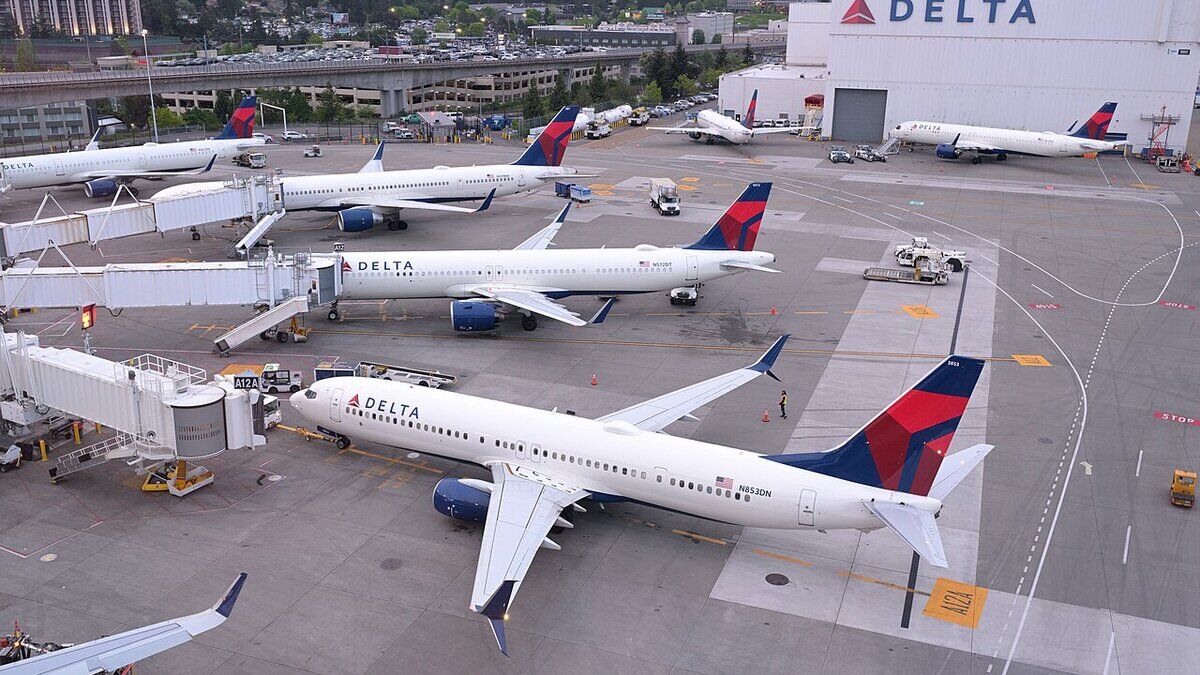
Delta reported September quarter results on 9 October. Operating revenue was $20.2 billion on a GAAP basis and $17.6 billion adjusted, the adjusted figure excluding refinery sales and a September quarter record. Adjusted earnings per share were $1.72 with an adjusted operating margin of 9.4 per cent, down from 11.1 per cent a year earlier. Full year adjusted earnings guidance is now $5.10 to $5.60 per share, down from $6.50 to $7.50 in July, with pre tax profit of about $4.5 billion. Chief executive Ed Bastian said the airline's resilience was enabling it to navigate one of the most elevated fuel environments in recent times.
The fuel detail is stark. Chief financial officer Erik Snell said Delta spent more than $500 million more on fuel in the third quarter than its July forecast assumed. The adjusted fuel bill rose 62 per cent to $4.1 billion, and fourth quarter fuel is guided at about $4.25 a gallon against $3.61 in the third quarter, including about 40 cents of savings from Delta's own refinery. Fourth quarter revenue is expected to rise about 20 per cent. Premium revenue rose 18 per cent on 6 per cent more premium seats, economy unit revenue rose 17 per cent while economy seats were cut, and American Express remuneration is on track for more than $9 billion this year. Our 2026 airline results tracker and our analysis of how fuel costs feed airfares give the wider context.
Lufthansa tankers fuel into Frankfurt as Zurich taps reserves
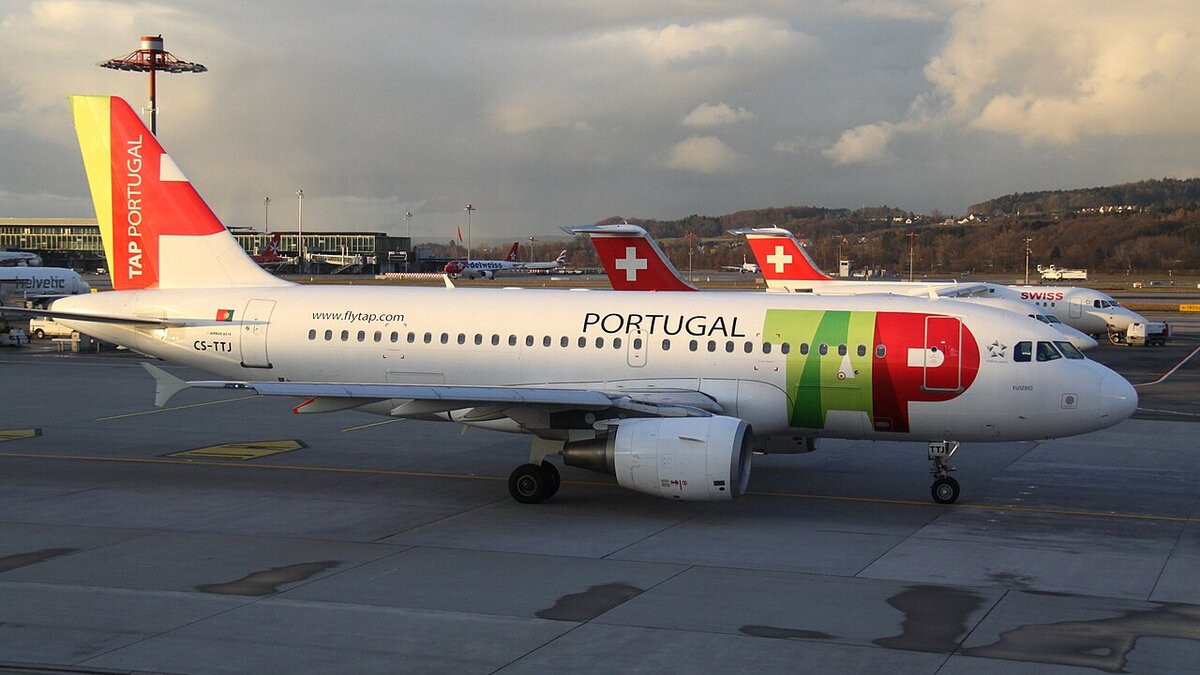
Lufthansa has told crews on selected Frankfurt bound flights to load extra fuel before departure because maintenance on a fuel pipeline has cut supply capacity at the airport. The practice, known as tankering, lets aircraft refuel less or not at all on arrival. It mainly affects short haul flights with some long haul included. Extra fuel on A320 family aircraft is capped at eight tonnes so the jets can still be towed, and the extra load must not displace passengers or freight. A Lufthansa spokesperson said cancellations are not to be expected, and operator Fraport says the pipeline work was planned and that the airport's operational capability is not affected. Simple Flying notes the carrier had already cut about 20,000 summer flights in April as fuel grew scarcer, though that background is single sourced.
Zurich faces a supply problem rather than a price one. According to AeroTime, the Swiss government authorised withdrawals of up to 30,000 cubic metres of jet fuel from compulsory reserves between 15 October and 1 November, about 6.5 per cent of available mandatory stocks. The cause is delayed and cancelled rail deliveries from Germany, compounded by low water on the Rhine pushing other freight onto overloaded railways. The Swiss government's own notice could not be accessed, so these figures rest on AeroTime's report.
Indian airlines add fuel surcharges across domestic and international routes
India's carriers moved within days of each other. IndiGo revised charges for new bookings from 6 October: domestic sectors pay 375 to 1,300 rupees by distance, while international charges run 5,500 rupees to South East Asia, the Gulf and North and East Asia, 6,000 rupees to Africa and 10,000 rupees to Europe. Air India and Air India Express revised surcharges for new bookings from 9 October: domestic sectors pay 400 to 1,200 rupees, and one way international surcharges are $215 to North America, $210 to Australia, $135 to Europe including the UK and $55 to West Asia and the Middle East. Akasa Air applied charges from 9 October: domestic 375 to 1,150 rupees and a flat 2,500 rupees one way on India to Kuwait, Qatar, Saudi Arabia, UAE, Thailand and Vietnam routes.
| Carrier | From | Domestic surcharge | International surcharge |
|---|---|---|---|
| IndiGo | 6 October | Rs 375 to 1,300 | Rs 5,500 Asia and Gulf; Rs 10,000 Europe |
| Air India and Express | 9 October | Rs 400 to 1,200 | $215 North America; $135 Europe and UK |
| Akasa Air | 9 October | Rs 375 to 1,150 | Flat Rs 2,500 on six Gulf and Asia routes |
The pressure is also a liquidity story. The Federation of Indian Airlines has asked the civil aviation ministry to unblock pending ECLGS 5.0 government guaranteed credit, citing fuel prices, the West Asia conflict, airspace restrictions and rupee depreciation. Indonesia raised its ceiling on domestic fuel surcharges from 30 to 40 per cent of the upper-limit fare in September, a different regulatory answer to the same shock covered in our Indonesia surcharge report. Weaker carriers are already buckling: airBaltic filed for Chapter 11 in September, with Reuters reporting that Iran war fuel costs bit into its balance sheet.
Frequently asked questions
Why are airlines adding fuel surcharges now?
Aviation turbine fuel prices have surged on geopolitical tension and supply constraints, with IndiGo reporting a month on month rise above 14 per cent to near decade highs. Surcharges partly offset the increase while airlines review them against further price moves.
How much is Delta's fuel bill up?
Delta expects its 2026 fuel expense to run $6 billion above 2025. Its third quarter adjusted fuel bill rose 62 per cent to $4.1 billion, forcing a guidance cut from $6.50 to $7.50 per share down to $5.10 to $5.60.
Will Lufthansa cancel Frankfurt flights over the fuel shortage?
Lufthansa says cancellations are not expected. Fraport says alternative supply routes and substantial storage capacity mean it does not expect a supply bottleneck, and Lufthansa told Tagesschau it expects to end the extra fuelling soon.
Do the new India surcharges apply to existing bookings?
No. IndiGo's apply to new bookings from 6 October, and Air India, Air India Express and Akasa charges to new bookings from 9 October. Existing tickets keep their original fare basis.
Sources
- Delta News Hub, September quarter 2026 results
- AeroTime, Delta cuts 2026 profit forecast as fuel costs surge
- AeroTime, Lufthansa carries extra fuel amid Frankfurt Zurich crunch
- Simple Flying, Lufthansa orders Frankfurt flights to carry extra fuel
- ET TravelWorld, Air India revises fuel surcharge
- ET TravelWorld, Akasa Air introduces fuel surcharge
- ET TravelWorld, IndiGo revises fuel charges
- ET TravelWorld, Airlines seek urgent release of ECLGS 5.0 funds