Yes, you can bring most solid foods through airport security in 2026, but soups, sauces and other liquids must follow the liquids rules and some countries ban many foods on arrival.
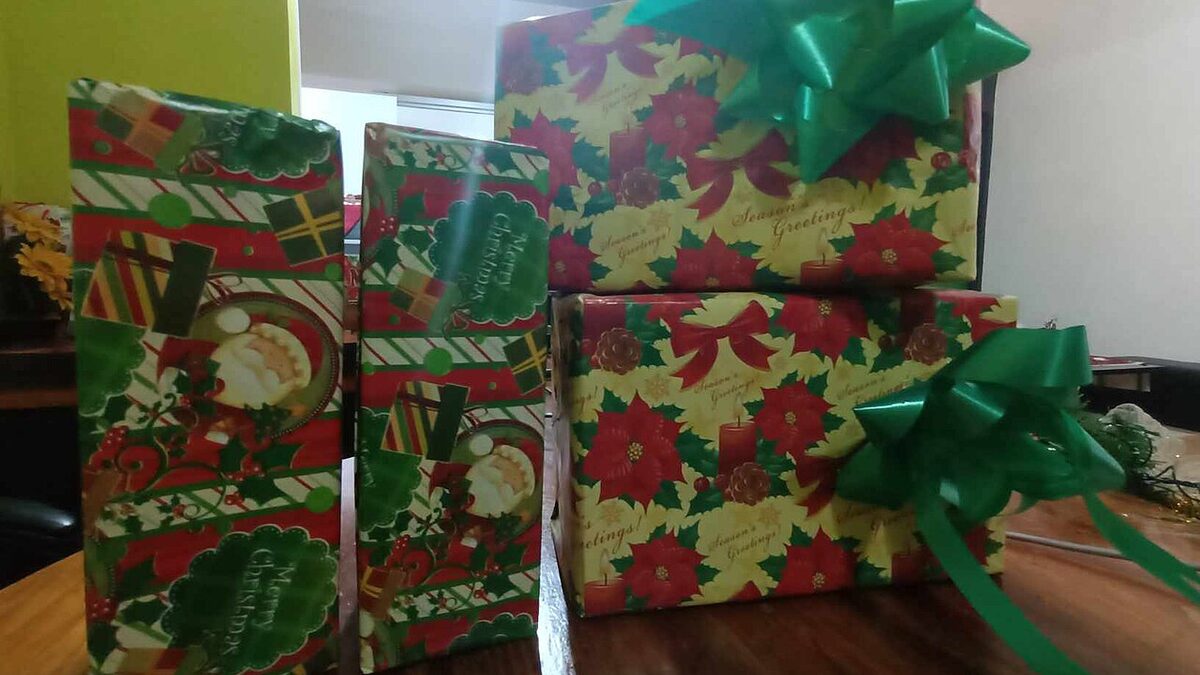
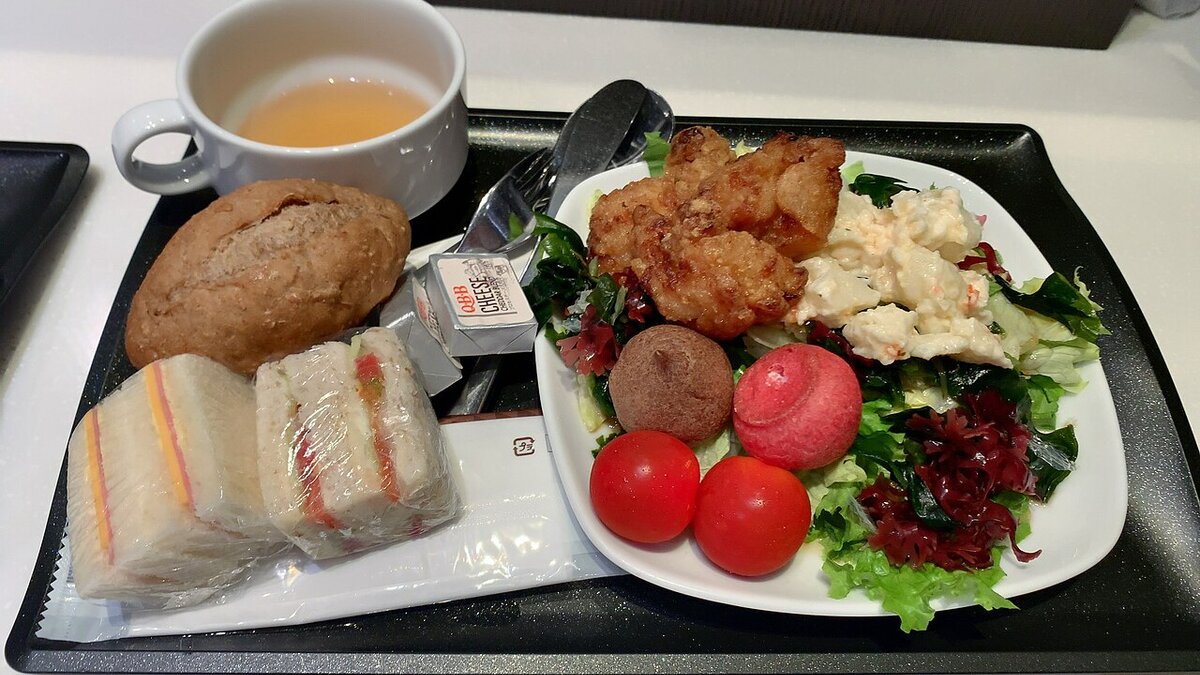
Cover image: wrapped sandwiches and a meal tray showing the type of solid food you can take through airport security — photo by nakashi from Chofu, Tokyo, JAPAN, CC BY-SA 2.0, via Wikimedia Commons.
Yes — in 2026 you can take most solid foods through airport security in hand luggage in the UK, US and EU, including sandwiches, wraps, pastries, fruit, biscuits, cakes and crisps. Where travellers get caught is with anything spoonable or pourable: soups, sauces, stews, dips, yoghurt, hummus and jam count as liquids and must meet the liquids rule — at most UK airports that still means 100ml per container in a single 1-litre clear resealable bag, though a few airports with new CT scanners now allow up to 2 litres. Security staff can also refuse any item they consider hazardous, even if it is normally allowed, so pack accessibly and be ready to explain what you have.
This myth-busting guide explains what is allowed in hand luggage, what counts as a liquid, what to buy airside instead, and what will be taken away when you land.
Can you bring solid food through airport security?
Yes, and it is explicitly permitted. GOV.UK hand luggage guidance says there are restrictions on liquids, not on sandwiches or apples, and advises that if possible you pack liquids in hold luggage. The same principle applies at TSA checkpoints in the US and EU airports: solid foods are not restricted.
Good choices to pack before security:
- Sandwiches and wraps, tightly wrapped or in a hard container
- Fruit (whole), vegetable sticks, nuts, dried fruit
- Biscuits, cakes, pastries, bread rolls, crisps
- Chocolate and sweets
- Baby food in reasonable amounts for the flight
Pack food where screeners can see it — on top of your bag or in a clear section. Dense or crumbly items can look odd on an X-ray and may be swabbed or opened for inspection. That is normal and not a confiscation. For general packing strategy, see do hotels hold your luggage after checkout which covers how to manage a day with food and bags before a late flight, and how early should you get to the airport for time to eat before boarding.
What food counts as a liquid at security?
Anything that pours, spreads or is spoonable is a liquid for screening purposes. The UK overview page warns there are restrictions on the amount of liquids you can take in hand luggage and tells travellers that the rules for liquids have changed at some UK airports and to confirm directly with the departure airport before flying.
Liquids at security include:
- Soups, broths and stews
- Sauces, gravies, dressings and oils
- Yoghurt, hummus, soft cheese spreads and pâté
- Jam, marmalade and honey
- Drinks, including water, juice and coffee
Each container must be 100ml or less and all containers must fit in a single transparent resealable bag of about 20cm x 20cm (1 litre). The bag must be taken out and placed in the tray. At airports that have installed CT scanners — including several London airports trialled from 2024 — the limit can be up to 2 litres per container and you may keep liquids in your bag, but GOV.UK explicitly says different airports have different rules so check yours. If you are transiting outside the UK, different liquid rules may apply, so check the airline and transit airport.
Tip: freeze a bottle of water or soup and it is a liquid when it melts — screeners will treat it as a liquid. Stick to solids before security and buy drinks after.
Can you buy food after security and take it on the plane?
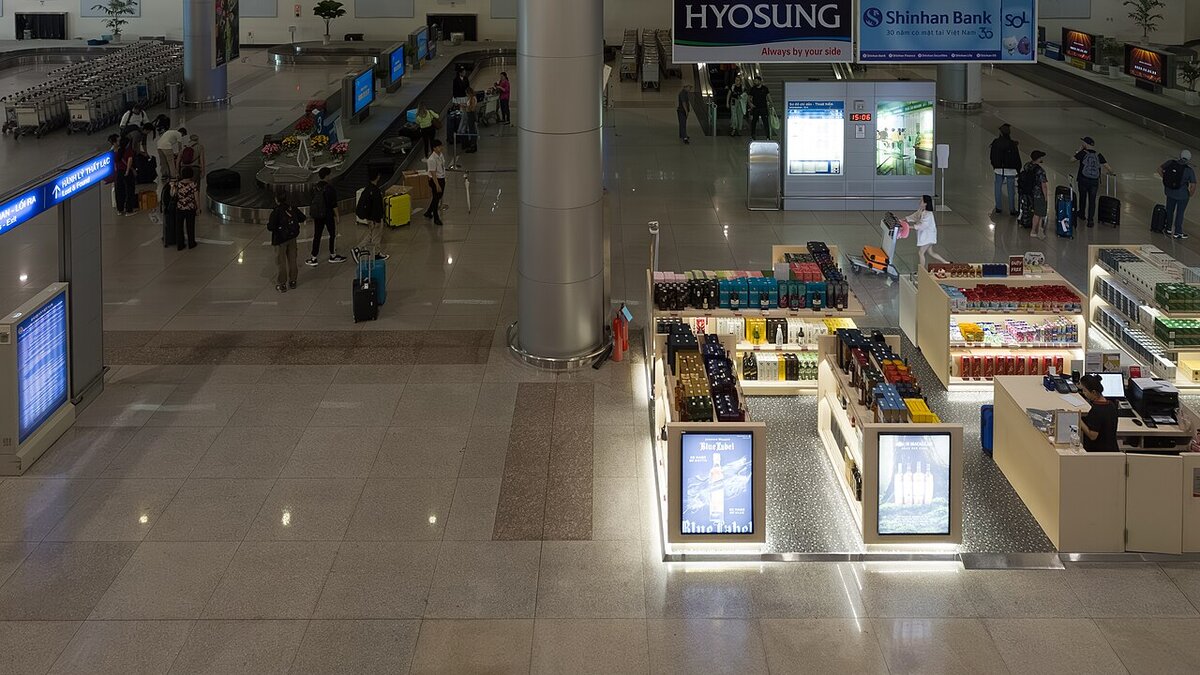
Yes — anything you buy airside is already screened. Meal deals, sandwiches, salads, coffee, water and soft drinks can be carried to the gate and onto the aircraft. That is the easiest way to bring a hot drink or a larger soup onto the plane without worrying about the liquids bag.
Airlines allow you to eat your own food on board on most short-haul flights, provided it is not hot, strong-smelling or an allergen that affects others. Wipe trays before and after eating and dispose of waste neatly. For the rules on what else is strictly limited in hand luggage, see our guides to can you bring a lighter on a plane and 100ml liquid rule at UK airports, which detail why a single lighter must be kept in the same plastic bag as liquids and remain on your person.
Will my food be taken away when I land?
Security allows it through departure, but customs may take it away on arrival. Many countries protect agriculture by banning or requiring declaration of meat, dairy, fruit and vegetables:
- EU and UK: you cannot bring meat or dairy from most non-EU countries. Fruit and vegetables have limits and must be declared.
- Australia and New Zealand: declare all food; undeclared items trigger on-the-spot fines, and many fresh foods are destroyed.
- US: most fresh fruits, meats and vegetables from abroad are prohibited; you must declare all food on arrival.
Even within the EU, some states restrict certain fresh products. The safe approach is to eat or discard fresh items before landing and always tick "yes" for food on arrival cards and declare it. For trip planning that avoids last-minute airport stress, see can you drink tap water in Mexico and can you drink tap water in Italy for destination-specific food and water advice.
Frequently asked questions
Can I bring sandwiches and snacks through airport security?
Yes. Solid foods such as sandwiches, wraps, fruit, biscuits, cakes, pastries and crisps can go through security in hand luggage in the UK, US and EU. Wrap them well and keep them accessible for inspection. Even if allowed, security officers can refuse any item they deem hazardous, so be prepared to demonstrate what it is.
Can I bring soups, sauces or yoghurt on a plane?
Only if they meet the liquids rule. At UK and EU airports soups, sauces, stews, dips, yoghurt and even jam are treated as liquids and must be in containers of 100ml or less inside a single 1-litre resealable bag. At some UK airports new CT scanners allow up to 2 litres per container, but the GOV.UK advice is to check your departure airport before you fly, as rules vary by airport.
Can I take food bought after security onto the plane?
Yes. Food and drink purchased airside, including meal deals, coffee and water, can be taken to the gate and onto the aircraft. That is the simplest way to carry liquids such as coffee or soup. You still must respect destination bans on bringing foods into the country on arrival.
Will my food be confiscated when I land abroad?
Possibly. Many countries ban or restrict meat, dairy, fruit and vegetables on arrival to protect agriculture. The EU, UK, Australia and New Zealand all have strict food import rules. Eat or discard risky items before landing and always declare food on arrival cards to avoid fines.