Estonia has crept above its pre-crisis tourism peak with Tallinn's medieval old town, forested islands and 23% protected nature drawing crowds away from crowded southern Europe.
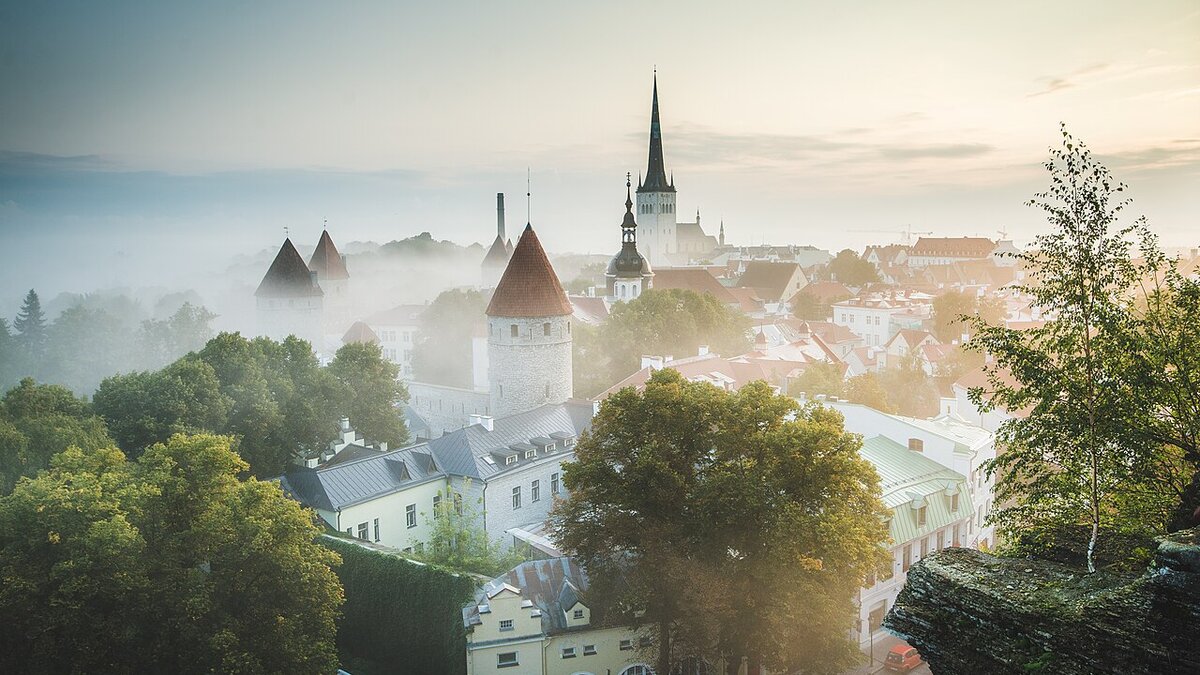
Cover image: Tallinn Old Town at sunrise with its medieval towers and mist — why Estonia is booming in 2026 — photo by Hendrik Mändla, CC BY-SA 4.0, via Wikimedia Commons.
Estonia is first of the Baltic states to push back above its pre-crisis tourism peak in 2026, with visitor numbers up 4% year-on-year and edging just above the previous peak and Tallinn's medieval streets, forested bogs and 2,300 islands drawing travellers who want Europe without the summer crush. It is a data-driven signal worth noting: while southern Europe debates tourist taxes, caps and protests (Amsterdam to raise tourist tax to 20% by 2031), Europe's north-eastern corner is quietly booming.
This guide explains why Estonia is an under-covered sweet spot in 2026, what to see, when to go, and how to plan a short break or a longer slow-travel loop.
Is Estonia really booming in 2026?
Google News aggregation for the past week surfaced a headline repeated across travel data monitors: Estonia tourism tops pre-crisis level, visitors up 4% (ETIAS.com). That figure sits above the 2019 peak that many European destinations have chased for five years. Estonia's own official data organisation describes the country as over half forested, with 23% of land as wildlife preserves, 2,317 islands and the second-cleanest air in Europe — assets that are now pulling demand as travellers seek nature and cooler summers.
For context, Estonia has one of Europe's lowest population densities and ranks among the world's most digital societies — 99% of public services are available online — which makes independent travel straightforward. Our recent coverage of Japan's tourist taxes 2026 guide and Greenland cruise fjord restrictions 2026 shows the trade-off elsewhere: higher fees and tighter access. Estonia offers the opposite: space, ease and value.
Why visit Estonia now instead of southern Europe?
- Space and quiet: Bogs in Soomaa and Lahemaa lie 10km from any road, beaches on Saaremaa and Hiiumaa empty even in July, and Tallinn's Old Town, though popular, disperses quickly beyond the main square.
- Compact logistics: Tallinn Airport is 15 minutes from the centre, ferries from Helsinki take 2 hours, and the country fits in a 3-4 day loop (Tallinn–Lahemaa–Tartu–Parnu) without domestic flights.
- Nature with protection: With 23% of land protected and more than one-fifth of farmland certified organic, Estonia delivers slow-travel credentials without greenwashing.
- Value before crowds: Prices and hotel availability remain friendlier than the Mediterranean in July-August. The rebound suggests demand will keep rising, so 2026 is the sweet spot before shoulder seasons tighten.
If you like the idea of swapping a crowded beach for a bog walk and sauna, Estonia pairs well with our best time to visit Morocco and cheapest time to visit Koh Samui for a contrast year of trips.
What should you see on a first trip to Estonia?
Tallinn (2-3 nights): UNESCO-listed Old Town with Toompea Castle, Alexander Nevsky Cathedral and Telliskivi creative quarter for food and design. Sunrise over the towers from the Patkuli viewpoint is the cover-shot.
Lahemaa National Park (day trip or overnight): Manor houses, coastal forests and bog boardwalks like Viru Raba. A guided bog-shoe walk shows why Estonians say no point is more than 10km from a bog.
Islands: Saaremaa for windmills, spa culture and Kaali meteor crater; Hiiumaa for lighthouses and slow cycling. Ferries from Virtsu are frequent in summer — book a car space ahead.
Tartu (university city): National Museum, Aparaaditehas arts complex and the 2024 European Capital of Culture legacy. Good for food and nightlife that is still largely local.
Parnu (beach): Estonia's summer capital with long sandy beaches, ideal June-August but pleasant in late May and September.
When is the best time to visit Estonia in 2026?
| Season | What you get | Crowds and prices |
|---|---|---|
| June–August | White nights, festivals, full island ferries | Peak but still calm outside Tallinn |
| May + September | Shoulder balance, bird migration, saunas | Good value, fewer visitors |
| November–February | Christmas markets, snow bogs, northern lights fringe | Quiet, lowest prices |
Estonia's official Visit Estonia portal lists 2026 events including Tallinn Marathon 11–13 September and Black Nights Film Festival 6–22 November, useful anchors for shoulder trips.
How to get to and around Estonia in 2026
Fly into Tallinn Airport (TLL) — Europe's cosiest major airport, 15 minutes by tram to the Old Town — or take the Helsinki–Tallinn ferry (2 hours, frequent). Driving is easy on good roads, but buses are comfortable and cover Lahemaa, Tartu and Parnu. For Saaremaa, reserve ferry space for cars in summer. The country's digital layer helps: e-tickets, English-wide signage and fast public Wi-Fi are standard, reflecting the 99% online services figure.
For packing strategy, see can you bring a lighter on a plane and how early should you get to the airport — especially if you connect via Helsinki. And if you are considering a multi-stop Baltic loop, our Vietnam e-visa requirements 2026 shows how digital arrival systems are spreading, a trend Estonia pioneered with e-residency.
Frequently asked questions
Is Estonia busy with tourists in 2026?
Estonia has just topped its pre-crisis visitor level, with 2026 reports putting arrivals about 4% above the previous peak per ETIAS data. That is a rebound, not overtourism — Estonia remains one of Europe's least densely populated countries and feels much quieter than Venice, Barcelona or Dubrovnik in summer.
What makes Estonia worth visiting now?
A compact mix: Tallinn's UNESCO medieval Old Town, over half the country forested, 2,317 islands, 23% of land as wildlife preserves, second-cleanest air in Europe, strong sauna and food culture, plus digital convenience with 99% of public services online. It offers nature, history and easy logistics in a few days.
When is the best time to visit Estonia?
June to August for white nights, islands and festivals; May and September for shoulder-season balance with fewer visitors. Winter brings Christmas markets and bog walks in snow from late November to February. Spring is ideal for birdwatching in Matsalu and Soomaa national parks.
How do I get to Estonia in 2026?
Fly into Tallinn Airport, one of Europe's most compact and well-connected hubs, with direct routes across Europe and regular ferries from Helsinki and Stockholm. Use Tallinn as a base for day trips to Lahemaa, Parnu and Tartu, as distances are short.