

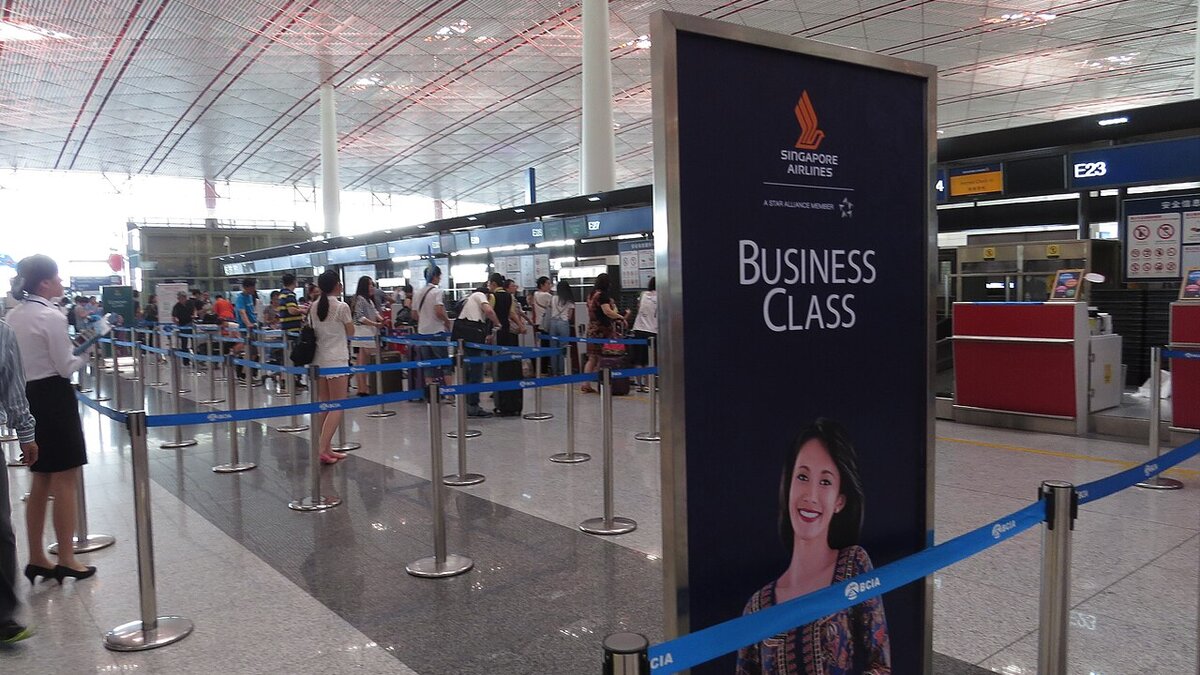
Behind every airline ticket sits a hidden machine: global distribution systems, six-character PNRs, 13-digit e-tickets and IATA's multi-billion-dollar BSP clearing house. Here is how the industry's plumbing works, and why NDC is rewiring it.
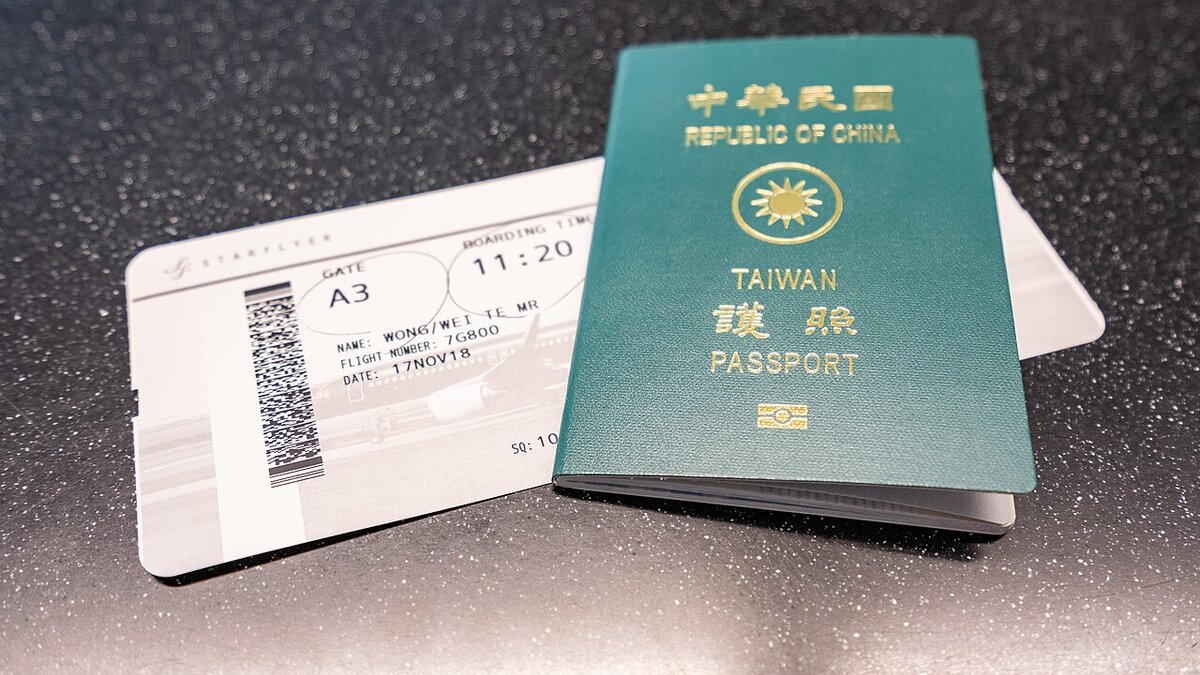
Cover image: airline ticket and boarding documents on a desk — photo by N509FZ, CC BY-SA 4.0, via Wikimedia Commons.
Every airline ticket sold through a travel agency passes through the same hidden machinery. A global distribution system (GDS) — almost always Amadeus, Sabre or Travelport, which together handle the vast majority of agency air bookings worldwide — shows the agent fares and availability. The booking creates a PNR (Passenger Name Record), identified by a six-character locator code, and payment triggers a 13-digit electronic ticket issued on the airline's own numbering stock. The money then flows through the Billing and Settlement Plan (BSP) run by IATA, the airline trade body, which processed roughly $240 billion in 2023 across more than 200 countries and territories for over 400 airlines, with a 99.999% on-time settlement rate. Layered on top is the industry's biggest change in decades: NDC (New Distribution Capability), an XML-based retailing standard that now accounts for roughly a quarter of indirect airline sales and anchors IATA's goal of full "Offers and Orders" capability by 2030.
What is a GDS and why do Amadeus, Sabre and Travelport still dominate?
A global distribution system is a giant marketplace that aggregates schedules, fares and seat availability from hundreds of airlines and pipes them to travel agencies, corporate booking tools and online travel agents. The technology dates back to the 1960s, when American Airlines and IBM built Sabre to replace handwritten reservation cards.
Three players dominate. Amadeus, headquartered in Madrid, is the largest with an estimated 40% share and particular strength in Europe and Asia. Sabre, based in Texas, leads in North American corporate travel. UK-based Travelport operates the Galileo, Apollo and Worldspan platforms. Analysis by travel-technology firm AltexSoft puts traditional GDS booking fees at roughly $3 to $15 per flight segment, charged to the airline — one reason carriers with wafer-thin margins are pushing so hard to change the model.
What actually happens when a ticket is issued? PNRs and e-tickets explained
When an agent or website confirms a booking, the reservation system creates a PNR containing the passenger's name, itinerary, contact details and ticketing deadline. The six-character record locator on your confirmation email is simply the address of that PNR in the airline's or GDS's database.
A PNR is a reservation, not a ticket. Payment converts it into an electronic ticket: a database record beginning with the issuing airline's three-digit accounting code (176 for Emirates, 125 for British Airways) that represents the actual contract of carriage. IATA mandated 100% electronic ticketing from 1 June 2008, killing the paper coupon; when the project began in 2004, only 19% of tickets issued globally were electronic. The e-ticket, not the PNR, is what gets exchanged, refunded or reissued when plans change — and on codeshare itineraries one carrier "plates" the whole ticket even if partners operate the flights.
How does IATA's BSP actually move the money?
An agency in Bangkok can sell tickets for 50 different airlines without opening 50 bank relationships because of the BSP. Agents report all sales into one national clearing system, remit a single consolidated payment, and IATA distributes the funds to each carrier. In the United States, the equivalent role is played by ARC, the Airlines Reporting Corporation.
According to IATA, the BSP today links more than 400 airlines with over 59,000 accredited travel brands across 200-plus countries and territories, settling around $240 billion a year with near-perfect punctuality. Key features of the system include:
- Neutral ticketing stock: accredited agents issue tickets on behalf of any participating airline.
- Standardised reporting cycles: sales are reported and settled on fixed calendars, protecting airline cash flow.
- Financial vetting: agents must meet accreditation and financial-security criteria, reducing default risk.
- One settlement, many carriers: a single remittance covers every airline the agency sold that period.
What is NDC and why is airline retailing changing?
The traditional GDS pipeline runs on EDIFACT messaging from the 1980s, which handles seats and fare classes well but struggles with the way airlines now sell — bundles, ancillaries, continuous pricing and personalised offers. NDC, launched by IATA in 2012, is a modern XML standard that lets the airline itself build the offer and deliver it through third-party channels, much as it would on its own website.
Adoption is accelerating. Industry analysis published by AirlineDistribution.net puts NDC at about 24% of indirect airline ticket sales in early 2026, up from 11% in 2023, with Europe (around 31%) well ahead of North America (around 18%). More than 70 airlines have been validated on IATA's Airline Retailing Maturity index, and the trade body's Distribution Advisory Council has set an aspirational target of 100% Offers and Orders capability by 2030 — a future with no PNRs, e-tickets or EMDs at all, just retail-style orders. To push volume across, many carriers now add surcharges of roughly $10 to $25 per segment on legacy GDS bookings, according to AltexSoft.
| Feature | Traditional GDS (EDIFACT) | NDC / Offers and Orders |
|---|---|---|
| Who builds the offer | GDS assembles fares from filed data | Airline creates the offer dynamically |
| Content | Seats and fare classes; limited ancillaries | Bundles, bags, seats, rich media, continuous pricing |
| Booking record | PNR plus separate e-ticket | Single order (end-state vision) |
| Share of indirect sales (early 2026) | About 76% | About 24% |
Why do travel agents still matter in 2026?
Despite two decades of direct-booking growth, tens of thousands of IATA-accredited agencies still move a large share of the industry's highest-value traffic: corporate travel, groups, marine and complex multi-carrier itineraries that airline websites handle poorly. When schedules collapse — as passengers saw during recent Gulf airspace disruptions — an agent with ticketing authority can reissue and reroute far faster than a call-centre queue.
Agents also remain the industry's shock absorber on price. With fuel costs pushing fares higher in 2026, the ability to compare NDC offers, GDS fares and negotiated corporate rates side by side is worth real money, which is precisely why the fight over which channel carries the best content has become the defining commercial battle in airline distribution.
Frequently asked questions
Is my booking reference the same as my ticket number?
No. The six-character booking reference (PNR locator) identifies your reservation, while the 13-digit ticket number is the actual travel document and proof of payment. For refunds or reissues, airlines work from the ticket number, which appears on your e-ticket receipt.
Why do some fares only appear on the airline's own website?
Many carriers withhold their cheapest fares or bundles from traditional GDS channels, or add a surcharge of roughly $10-25 per segment to legacy bookings, to steer customers towards direct and NDC channels. Agencies connected via NDC can usually access the same content.
If I book through a travel agent, who actually has my money?
For IATA-accredited agents, ticket funds flow through the BSP clearing system to the airline on fixed settlement calendars, rather than sitting with the agency. That structure, plus agent financial vetting, is designed to protect both airlines and travellers.
Sources
- IATA — Billing and Settlement Plan (BSP): scope, settlement volumes and participants
- IATA — Distribution with Offers and Orders (New Distribution Capability)
- AltexSoft — Distribution Costs and Hidden Payments in Travel
- AirlineDistribution.net — NDC Airline Distribution 2026 and the Airline Retailing Shift




Post a comment