IATA expects the global airline industry to post a 3.9% net margin in 2026, with profitability stabilizing even as labour overtakes fuel as the single largest cost.
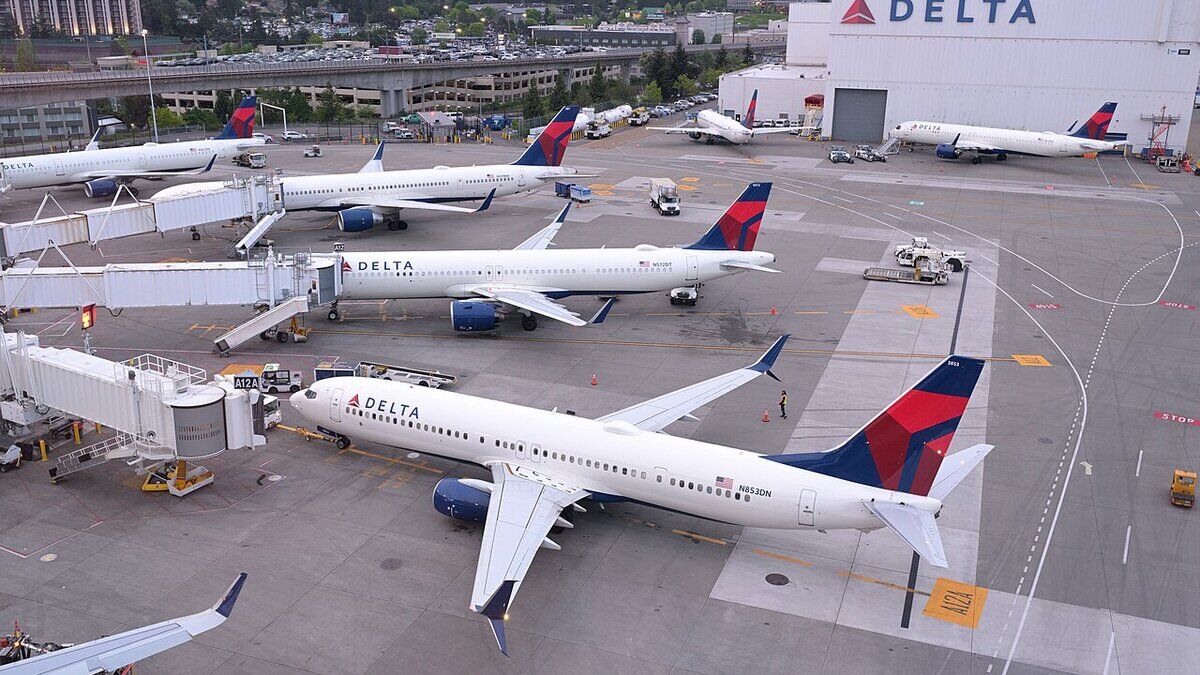
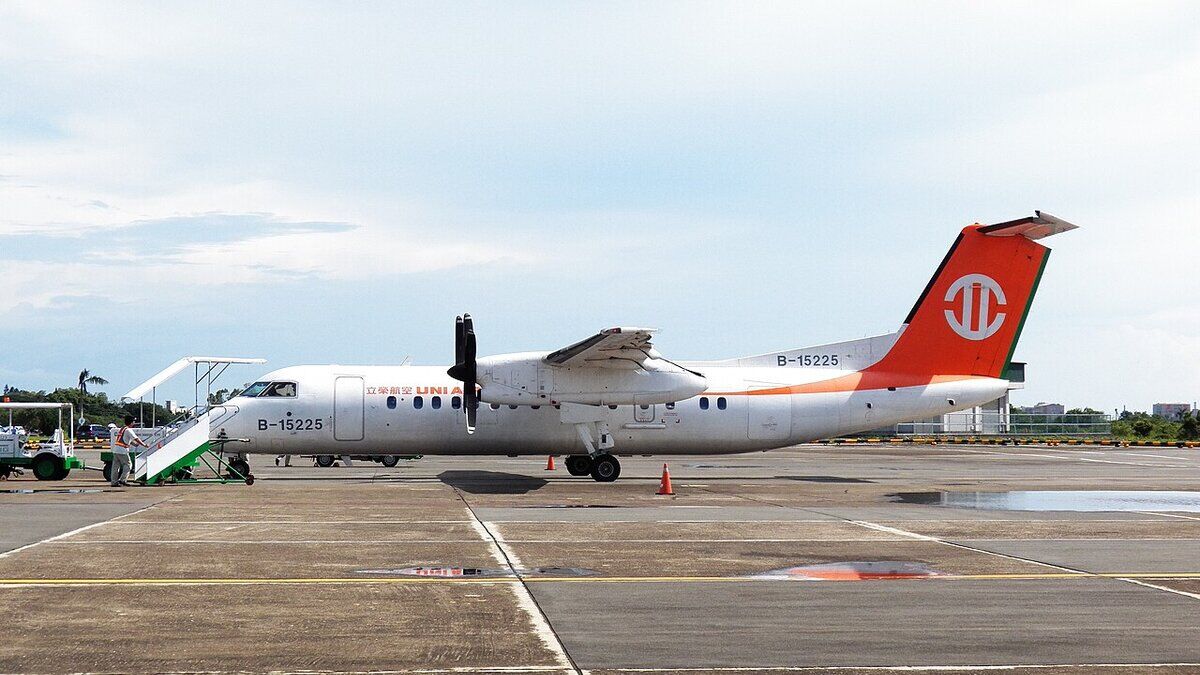
Cover image: commercial airliners parked on an airport apron — photo by 玄史生, CC0, via Wikimedia Commons.
The global airline industry is profitable again — but only just. IATA expects carriers to post a net profit margin of around 3.9% in 2026, a level that represents stabilisation rather than abundance. For all its scale and strategic importance, commercial aviation remains one of the lowest-margin major industries on earth, having never recorded a net profit margin above 5%.
That single statistic frames everything about how airlines operate: a business that moves billions of passengers and underpins the $12-trillion travel economy still keeps less than four cents of profit on every dollar of revenue.
Profits stabilise as the cost mix shifts
The headline is steadiness. After years of volatility, IATA's outlook points to profitability holding firm even as supply-chain problems persist. But beneath the stability, the structure of airline costs is changing in a significant way: labour has now overtaken fuel as the single largest cost component, at around 28% of the total.
That shift is being driven by very tight labour markets, where wage growth has outpaced inflation and skilled aviation workers — pilots, engineers, cabin crew — command rising pay. For an industry long accustomed to fuel being its biggest and most volatile expense, the rise of labour as the dominant cost marks a structural change.
The pressures squeezing the margin
Several forces keep airline profitability hemmed in:
- Labour costs — now the largest expense, rising with wage inflation in a tight market.
- Maintenance costs — climbing as an ageing fleet and scarce parts keep aircraft in the shop longer.
- Ownership costs — record-high lease rates as new aircraft remain in short supply.
- Airport and en-route charges — continuing their upward march.
Many of these trace back to the same supply-chain crunch constraining the rest of aviation: when new, efficient aircraft are scarce, every other cost line feels the strain.
Why thin margins matter
A sub-4% margin leaves airlines acutely exposed to shocks. A spike in fuel prices, a demand downturn, a geopolitical disruption or an operational crisis can wipe out a year's profit quickly. It also explains the industry's relentless focus on ancillary revenue, capacity discipline and cost control — when margins are this thin, small swings determine whether a carrier finishes the year in the black or the red.
What it means for travellers
For passengers, thin margins help explain why fares have stayed firm despite strong demand, and why airlines continue to unbundle services and charge for extras. Carriers simply have little cushion to absorb rising costs without passing them on. The flip side: the industry's discipline and stabilising profits suggest a financially steadier sector than in the turbulent recent past.
The bottom line
A 3.9% margin is a portrait of an industry that is essential, enormous and perpetually squeezed. Airlines have stabilised their profitability heading through 2026 — but with labour now their biggest cost and supply-chain pressures lingering, the margin for error remains as thin as ever.