Thai Airways will operate 66 routes in winter 2026-27 from Bangkok Suvarnabhumi, adding frequencies to Europe, Japan and Australia and peak India capacity.
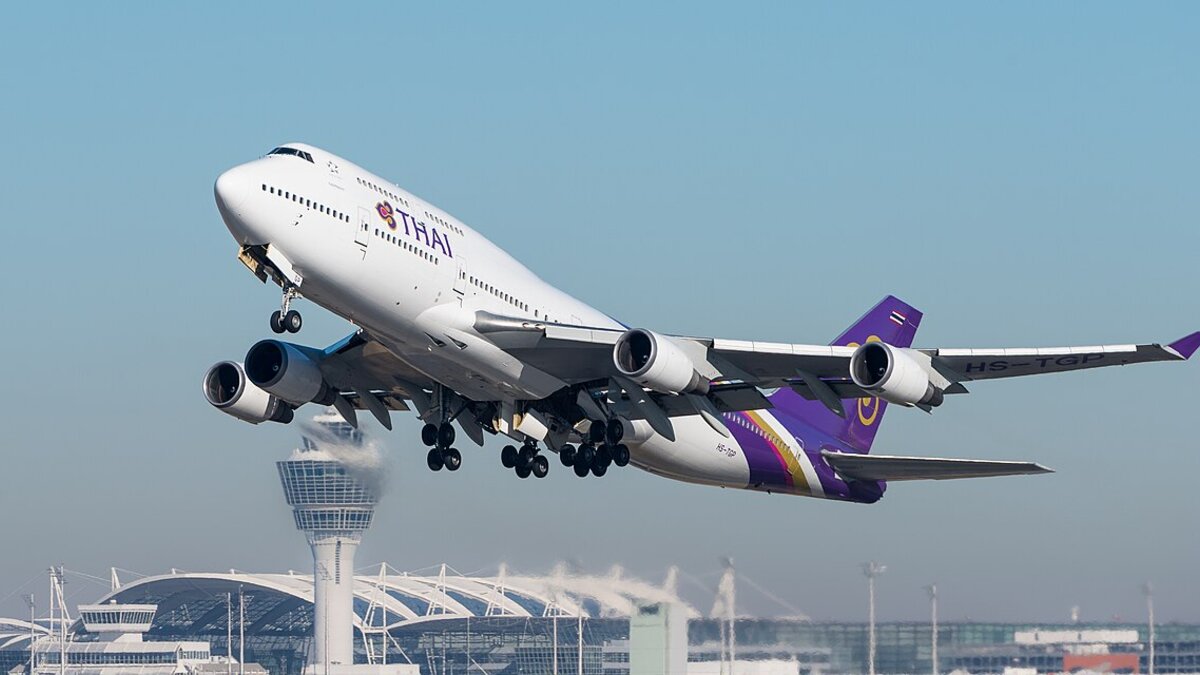
Cover image: Thai Airways aircraft at Bangkok Suvarnabhumi Airport — photo by Julian Herzog (Website), CC BY 4.0, via Wikimedia Commons.
Thai Airways will operate 66 routes from Bangkok Suvarnabhumi in winter 2026-27, lifting frequencies to Europe, North Asia and Australia while protecting peak-season India capacity, the carrier said in its winter schedule filed this week. The programme runs from 26 October 2026 to 27 March 2027 and marks the most expansive winter network since the airline's restructuring, targeting long-haul leisure and business traffic as Thailand pushes for higher-spending visitors.
The schedule, reported by Nation Thailand on 2 September, shows Thai restoring depth rather than just breadth. Instead of adding marginal new dots on the map, the airline is adding second daily flights and upgauging where load factors are strongest. For travellers from India and Southeast Asia connecting through Bangkok, the winter plan means more same-day Europe options and smoother Japan-Australia itineraries over the hub.
What is in the 66-route winter schedule?
Thai Airways' winter map centres on Suvarnabhumi as a single hub, with 66 routes spanning domestic Thailand, Southeast Asia, North and South Asia, Australia and Europe. Domestic coverage retains Bangkok to Chiang Mai, Phuket, Krabi and Chiang Rai, supporting feed from regional international arrivals. Regional Southeast Asia keeps Bangkok to Singapore, Kuala Lumpur, Penang, Manila, Ho Chi Minh City, Hanoi, Phnom Penh, Vientiane and Yangon, with frequency tuned to business and visiting-friends demand.
North Asia is a clear gainer. Tokyo Narita and Haneda, Osaka, Nagoya, Fukuoka and Sapporo see restored or additional frequencies, reflecting sustained Japanese demand for Thailand and Thai demand for Japan in ski season. Seoul and Taipei also move to daily or better, while Hong Kong and Beijing/Shanghai retain daily service to capture corporate traffic. South Asia sees India capacity held at peak-season levels across Delhi, Mumbai, Bengaluru, Chennai and Hyderabad, a market that has become Thailand's third-largest source with 1.45 million arrivals in the first seven months of 2026.
Long-haul Europe is the headline for winter. London Heathrow is scheduled at double daily on peak days, Frankfurt and Munich at daily, Paris at daily, and Copenhagen, Stockholm, Oslo and Zurich retained as daily or near-daily. The carrier is deploying its Airbus A350 and Boeing 777-300ER fleets on the longest sectors, with cabin consistency improved after the cabin refurbishment programme. Australia keeps Bangkok to Sydney, Melbourne, Brisbane and Perth, timed for overnight outbound and morning arrival into Thailand.
Why Thai is adding frequencies now
Thai Airways is rebuilding from its court-supervised restructuring that shrank the fleet and network in 2020-21. With balance sheet repair and aircraft reactivated, the airline is chasing revenue where yields are best: long-haul premium and inbound tourism. Thailand recorded 19.76 million foreign arrivals through late July 2026, according to Tourism Authority data reported on 2 September, with India third among source markets. The winter schedule is aligned to that demand, putting seats where spend per visitor is highest.
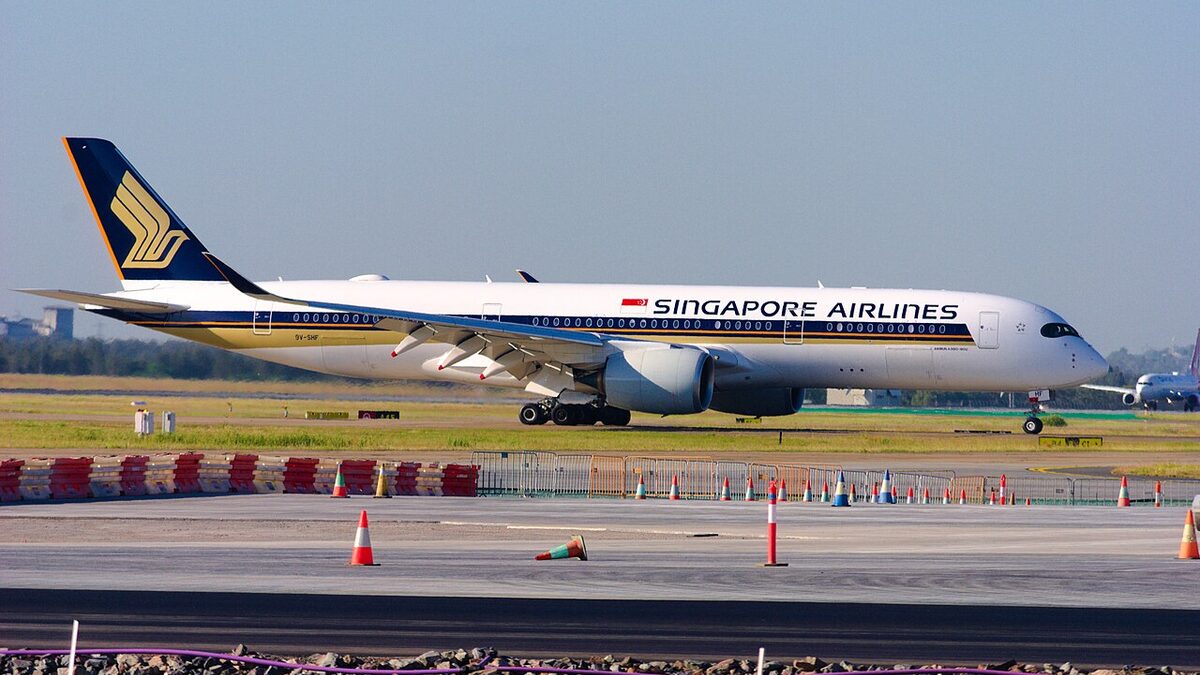
The strategy also mirrors regional competition. Singapore Airlines is adjusting its Bali winter operation to 737 MAX and European carriers are rebuilding Bangkok frequencies. Thai's advantage is its Bangkok hub geography for Europe-Asia flows. A traveller from Delhi to Stockholm, for example, can connect in Bangkok with a single stop and a competitive elapsed time versus Gulf hubs, while a traveller from Sydney to Paris can use Bangkok as a break-point with Thai domestic add-ons.
Operating 66 routes in winter is not just an airline story. Hotels in Phuket, Chiang Mai and Samui depend on airlift. The Tourism Authority's winter push has paired added frequencies with its domestic promotion with AirAsia and hotel partners, aiming to keep occupancy high after the monsoon shoulder. For Suvarnabhumi, more transits help fill the new satellite terminal and justify the airport's transfer-flow investments.
What it means for fares and connections
More frequencies generally mean more low fare buckets, but not everywhere. European Christmas and New Year travel from Bangkok, and inbound to Thailand for that period, will still command premiums. Travellers who need fixed dates should book in September, when corporate contracts and leisure sales overlap and airlines open the most inventory. The best value often appears on shoulder peaks: early December before the 20-30 December spike, and mid-January after the return rush.
For Indian travellers, the protected India capacity matters. Bangkok remains a key transit to Japan and Australia, and a destination in its own right. With Thailand trimming visa-free stays to 30 days from 15 September and cost scrutiny rising for Indian visitors, a dense winter schedule gives planners flexibility to avoid tight connections and to choose daytime arrivals that save a hotel night. Those weighing alternatives can compare Vietnam versus Thailand costs or Thailand trip budgets before fixing dates.
Aircraft type also affects comfort. Thai's A350s offer newer cabins and quieter rides on long haul than older 777s, and the carrier is scheduling them on London and Tokyo. Travellers who track aircraft should check the flight-number aircraft mapping at booking, as upgauges can shift with demand. Overall, the winter plan restores Bangkok's role as a nonstop gateway and a one-stop connector, with the 66-route figure signalling that the carrier's network rebuild has moved from recovery to selective growth.
| Region | Winter 2026-27 pattern | Note for travellers |
|---|---|---|
| Europe | London double daily peak, Frankfurt/Munich/Paris daily, Nordics daily | Best for ski and city-break connections |
| North Asia | Japan 5 cities daily+, Seoul/Taipei daily | Ski season and cherry blossom feed |
| India | Delhi/Mumbai/Bengaluru/Chennai/Hyderabad at peak | Supports third-largest source market |
| Australia | Sydney/Melbourne/Brisbane/Perth daily | Overnight outbound, morning Thailand arrival |
| ASEAN | Core capitals daily or better | Feeds long-haul via Bangkok |
Frequently asked questions
How many routes will Thai Airways fly in winter 2026-27?
Thai Airways has filed a 66-route winter schedule from Bangkok Suvarnabhumi, covering domestic, regional Southeast Asia, North Asia, Australia and Europe. The schedule runs from late October 2026 to late March 2027.
Which markets get more flights?
The carrier is adding frequencies to key European gateways such as London, Frankfurt and Paris, and rebuilding Japan and Australia capacity. India, a core source market, sees peak-season capacity protection with daily and beyond-daily on high-demand metros.
When can travellers book the winter schedule?
Winter flights are already on sale through thaiairways.com and travel agents. Peak periods around Christmas-New Year and late January are the tightest. Booking early secures better fare buckets, especially in business class.
Will fares rise with the expanded schedule?
More seat supply usually tempers fares, but holiday peaks will still spike. Thailand's tourism demand remains strong, with 19.76 million arrivals through mid-2026, so advance purchase is the best hedge for fixed dates.