Vietnam vs Thailand for Indians 2026 — verdict: Thailand is cheaper all-in from India, Vietnam is better for culture and scenery on a mid budget. One table compares fares ex-Delhi/Mumbai, visa, daily costs and best months, then detailed scores and choose-Vietnam-if / Thailand-if.
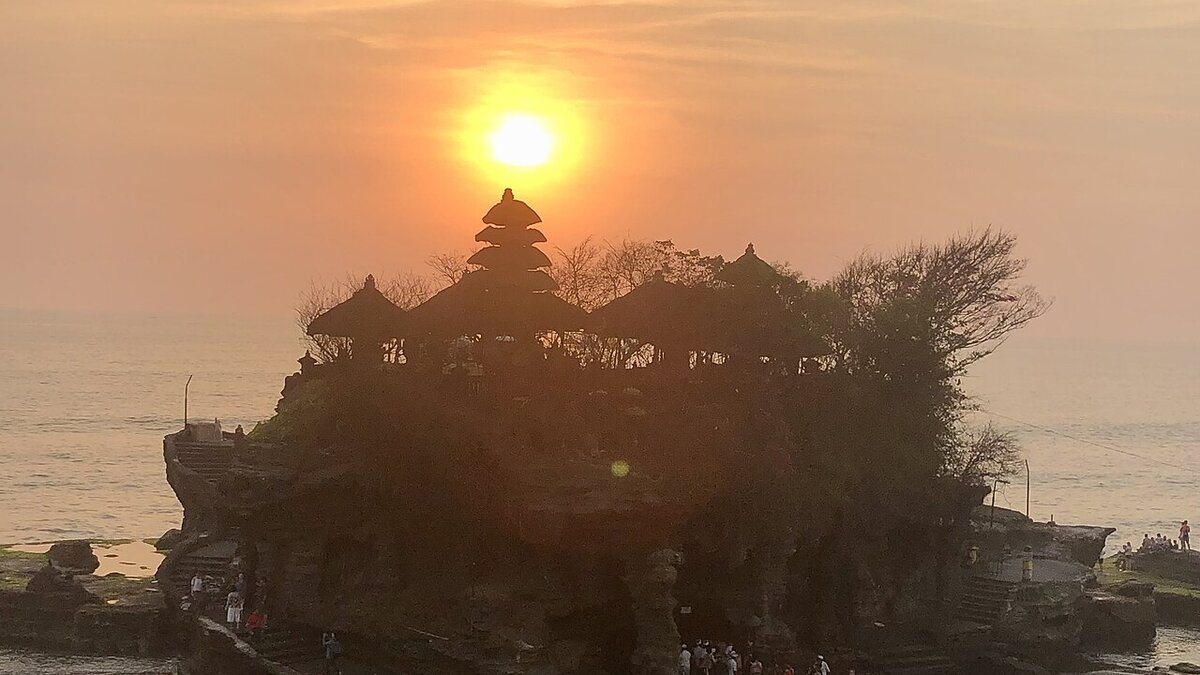
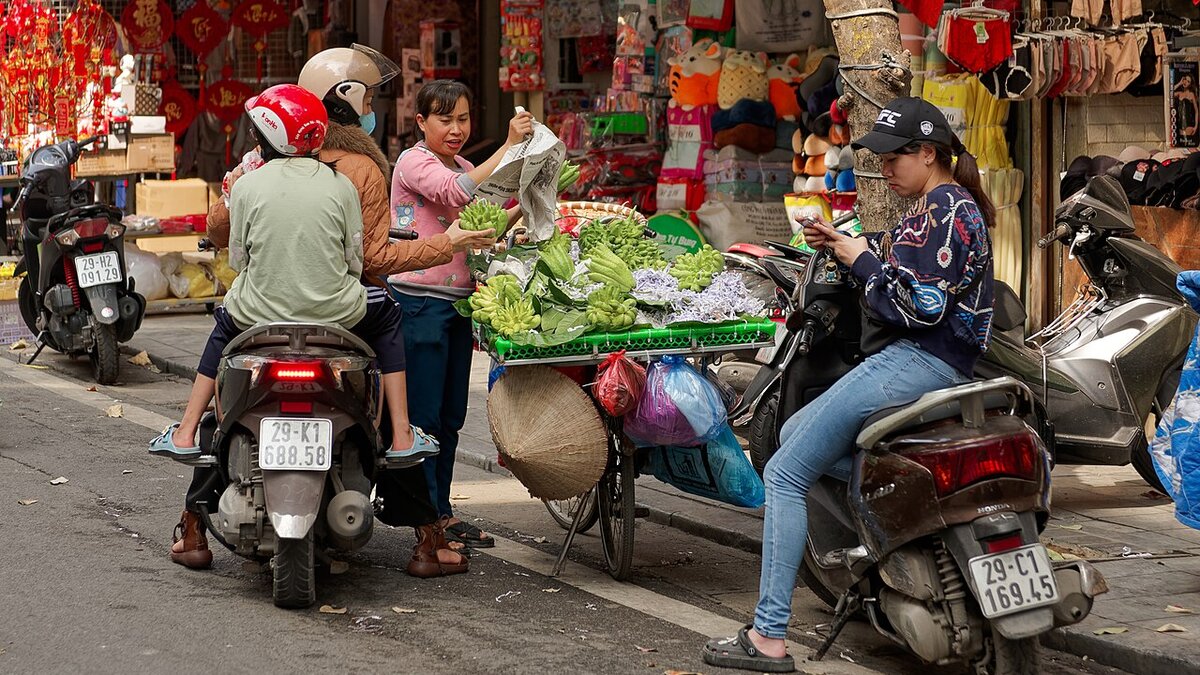
Cover image: a street market in Vietnam and a temple in Thailand — photo by Jakub Hałun, CC BY 4.0, via Wikimedia Commons.
Verdict for Indians in 2026: Thailand is the cheaper and easier trip from India; Vietnam is the better trip if you rank scenery, history and street food above beach clubs and malls. For a 6-day itinerary for two, Thailand undercuts Vietnam by INR 10,000–15,000 per person all-in from Delhi or Mumbai once you add visa and flights, but Vietnam gives you Halong Bay, Hoi An Ancient Town and the Cu Chi tunnels at lower daily spend on hotels and food. Both need a visa or e-visa for Indians, both are 3–5 hours from India, and both peak November to February. The table below puts the real numbers side by side, then we score each criterion and tell you exactly who should pick which country.
Vietnam vs Thailand (how much does a Vietnam trip cost from India) at a glance (from India, 2026)
| Criterion | Vietnam (Hanoi/Saigon) | Thailand (Bangkok/Phuket) |
|---|---|---|
| Flight time ex-Delhi/Mumbai | 3 h 50 m Delhi–Hanoi non-stop (VietJet/Air India); 5 h 30 m Mumbai–Hanoi/SGN with one stop | 4 h 05 m Delhi–Bangkok non-stop; 4 h 15 m Delhi–Phuket non-stop; Mumbai similar |
| Return fare 2026 (pp, 4–6 weeks ahead) | INR 18,000–28,000 (VietJet often cheapest, Vietnam Airlines); peak 32k–38k | INR 15,000–24,000 (IndiGo, Air India, Thai); peak 28k–34k |
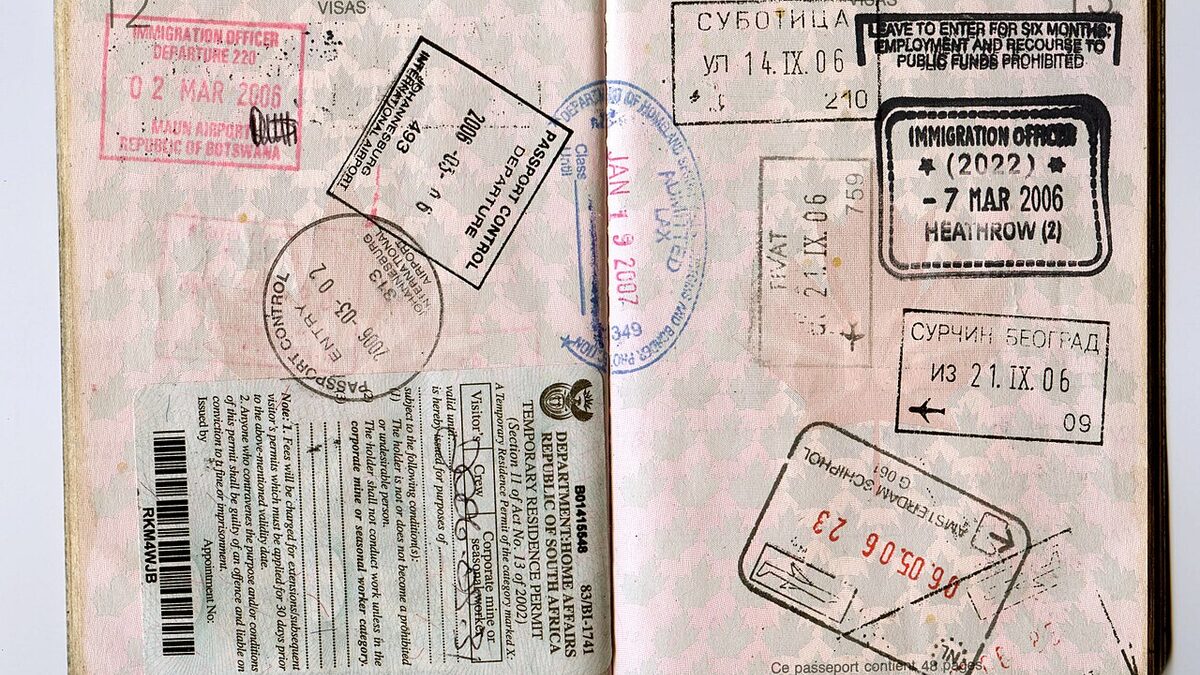
| Visa for Indian passport | e-Visa required: USD 25 single / 50 multiple (INR ~2,080/4,160) for 90 days via evisa.xuatnhapcanh.gov.vn; 17 airports incl. Hanoi, HCMC, Da Nang + land/sea ports | Visa-free 60 days for Indians (since Jul 2024, extendable 30 days THB 1,900); free + TDAC within 72 h |
| Daily budget pp (twin share, mid-range) | INR 4,200–6,800 (hotel INR 2,200–4,000, pho/banh mi INR 120–350, Grab bike INR 60–120) | INR 4,800–7,500 (hotel INR 2,800–5,000, pad Thai/som tam INR 150–400, BTS/tuk-tuk INR 80–250) |
| Best months | North (Hanoi/Halong): Oct–Apr dry & cool 18–25°C; Centre (Hoi An): Feb–May dry; South (HCMC): Nov–Apr dry | Cool-dry Nov–Feb (Bangkok 22–28°C, islands west coast calm), hot Mar–May, rains Jun–Oct |
| Food score (10) | 9 (pho, banh mi, bun cha, coffee; more veg-aware than before) | 8.5 (street-to-Michelin depth, more Indian restaurants) |
| Beaches score | 7 (Da Nang, Phu Quoc good; sea less warm than Andaman) | 8.5 (Phuket, Krabi, Samui — more white-sand choice) |
| Culture/history score | 9 (Hoi An, Hue, Cu Chi, Hanoi Old Quarter) | 7.5 (Ayutthaya, Sukhothai, temples but more commercial) |
| Ease for first-timers | 7 (language harder, scams common, train network thin) | 9 (Grab, BTS, English more common, 7-Eleven everywhere) |
| 6-day twin-share all-in (pp) | INR 62k–88k pp with flights at 22k | INR 55k–78k pp with flights at 19k |
Fares median OTA ex-Delhi/Mumbai round-trip, Aug 2025 observed through Aug 2026; USD 1 ≈ INR 83.2. Vietnam e-Visa online only; Thailand visa-free is not an e-visa.
Flights: Thailand has more non-stop choice, Vietnam has VietJet value
Delhi to Bangkok is the busiest SEA corridor from India — 5–7 non-stops daily on IndiGo, Air India and Thai Airways (4 h 05 m). Delhi to Hanoi is served by VietJet and Air India non-stop (3 h 50 m) 4 times weekly, Delhi to Ho Chi Minh City similarly. Mumbai to either country needs one stop (via Delhi, Bangkok or Hanoi) and is typically INR 2,000–4,000 more than Delhi. VietJet's lead-in fares keep Vietnam within INR 3,000–4,000 of Thailand on most weeks, but Thailand's extra frequency gives you more cheap Tuesdays and Wednesdays. Book 35–45 days out — inside 14 days both corridors jump 30%.
Visa: Vietnam USD 25, Thailand zero
Vietnam: Indians are not exempt. You need a 90-day e-Visa (since 15 August 2023): USD 25 single-entry, USD 50 multiple-entry on evisa.xuatnhapcanh.gov.vn. It covers 17 airports (Hanoi Noi Bai, HCMC Tan Son Nhat, Da Nang, Phu Quoc etc.) plus land and sea ports. Processing is 3–5 working days (rush 1–2 days at higher fee). The only exemption is Phu Quoc 30 days if you arrive direct without transiting mainland. Indians also need 6 months passport and a return ticket. See our Vietnam e-Visa guide for Indians. Thailand: Indians are visa-free 60 days since 25 July 2024 (still live late August 2026), extendable 30 days at immigration for THB 1,900. You just file the free Thailand Digital Arrival Card within 72 hours. For a couple, that is Vietnam INR 4,160 versus Thailand INR 0.
Daily costs: Vietnam cheaper on food and hotels, Thailand cheaper on flights and visa
Once you land, Vietnam is the lower-spend country. A clean 3-star in Hanoi Old Quarter or HCMC District 1 is INR 2,200–3,000 double; in Bangkok's Sukhumvit that is INR 3,200–4,800 for the same standard. A full day of Vietnamese street food (pho, banh mi, com tam, egg coffee) is INR 700–1,100 per person; in Thailand a similar day (pad Thai, som tam, mango rice, 7-Eleven snacks) is INR 900–1,400. Halong Bay 2-day cruise is VND 3.5–6M (INR 11,500–19,800) all-inclusive, while a Phi Phi day boat from Phuket is THB 1,200–2,500 (INR 2,850–5,940). The net effect: Vietnam saves you INR 600–800 per day on the ground, but Thailand saves you INR 3,000–4,000 on the flight and INR 2,080 on the visa. For 6 days, Thailand still comes out INR 10k–15k cheaper per person.
Vegetarian note: Thailand has more pure-veg Indian restaurants (Bangkok, Phuket Town, Pattaya) — say "jay" for veg. Vietnam's veg phrase is "chay" and most pho shops can make chay broth, but Indian kitchens cluster only in Hanoi, HCMC and Hoi An. See our is Vietnam safe and Malaysia safety style prep for scams and traffic — both countries see bag-snatching and motorbike bag grabs in Old Quarters.
Beaches vs culture: pick your holiday shape
Pick Vietnam if your perfect day is a culture sandwich — Hanoi train street and egg coffee at 08:00, the Temple of Literature, then a Halong overnight on a junk boat. Hoi An (lanterns, tailors, cooking class), Hue (Imperial City) and the Cu Chi tunnels give you three UNESCO-leaning days Thailand cannot replicate. Beaches at Da Nang (Marble Mountain, Ba Na Hills) and Phu Quoc (Sao Beach, cable car to Hon Thom) are good, but the water is not Andaman-clear and December–February sea is choppy in the centre.
Pick Thailand if your perfect day is sea, market, mall, bar — Phuket or Krabi in the morning, Chatuchak or Patong night market at dusk, rooftop at 21:00. Thailand's islands are more developed for swimmers (lifeguards, flag zones, hotel shuttle boats) and the best time to visit Thailand from India maps cleanly onto Indian winter breaks (November to February).
Best months — do not pick the same dates for both
Vietnam is long and narrow, so "best months" flip by region: Hanoi and Halong like October to April (cool 18–25°C, dry, low haze); Hoi An and Hue like February to May (warm, lowest rain); HCMC and Phu Quoc like November to April (dry, 28–32°C). The centre (Hoi An/Da Nang) is still wet in November from the northeast monsoon — many travellers get this wrong and hit rain. Thailand is simpler: November to February is cool-dry everywhere (Bangkok 22–28°C cool season, islands calm on the west coast). March to May is hot (35–42°C in Bangkok in April), June to October is rainy but cheapest for hotels.
For Indians using Diwali (Oct/Nov) or winter break (Dec/Jan): Thailand is lower risk for a beach-only trip; Vietnam is superb for culture in that window if you stay north and south and skip the centre in November.
Choose Vietnam if / Choose Thailand if
- Choose Vietnam if: you want the richest street-food crawl and history (pho, bun cha, banh mi, ca phe; Hoi An tailor, Hue citadel, war history), you are happy with a USD 25 e-visa and a 3 h 50 m non-stop from Delhi, and you prefer to spend less per day on hotels and food and more on experiences like Halong.
- Choose Thailand if: you want the lowest all-in budget from India, visa-free entry, the densest non-stop flight choice, walkable night markets and island boats with hotel transfers, and you prefer white-sand swim beaches with 7-Eleven and BTS convenience.
Many Indian itineraries now link the two: fly Delhi–Hanoi (VietJet), spend 4 nights north/centre, then VietJet/Thai AirAsia Hanoi–Bangkok (2 h, often INR 4,500–6,500 one-way) for 3 nights, then Bangkok–Delhi non-stop. That needs two visas (Vietnam USD 25 + Thailand free) and gives you both stories in 8 days.
Frequently asked questions
Which is cheaper for a family of four from Mumbai?
Thailand, by about INR 40,000–60,000 total for 6 days. Four flights at INR 19k vs 22k is already INR 12k gap, plus Vietnam visas INR 8,320 for four versus Thailand zero. Hotels and food narrow the gap on the ground, but not enough to close it.
Is Vietnam safe for Indian tourists compared to Thailand?
Both are Level 1–2 exercise caution in 2026 (petty theft, scams, drink spiking isolated, road risk). Vietnam adds cyclones June–November and floods in the centre; Thailand adds stronger beach currents June–September. Keep bags in front on buses, use Grab/Gojek, road-cross fast and predictably in Hanoi and Bangkok.
Which has better vegetarian food?
Thailand edges it for pure-veg Indian kitchens (Bangkok, Phuket, Chiang Mai) — ask "jay". Vietnam's chay options are growing in Hanoi, HCMC and Hoi An but are thinner in Halong and Phu Quoc. Both have plentiful egg-free and meat-free bases if you specify.
Do I need to print my e-visa?
For Vietnam, yes — print the e-Visa QR and carry it; airlines check at Delhi and at Hanoi/HCMC immigration. For Thailand visa-free, carry your passport and the TDAC confirmation on your phone, no print needed but recommended.
Sources
- Wikipedia — Visa policy of Vietnam (90-day e-Visa USD 25/50 since 15 Aug 2023, 17 airports)
- Vietnam Immigration — e-Visa portal
- Wikipedia — Visa policy of Thailand (visa-free 60 days for Indians since 25 Jul 2024)
- Wikipedia — VietJet Air (Delhi–Hanoi non-stop)
- Travel Market News — Vietnam e-Visa guide for Indians