Nepal is safe for Indian tourists in 2026 with route checks after the Langtang floods. Crime, trekking, roads and monsoon risks explained.
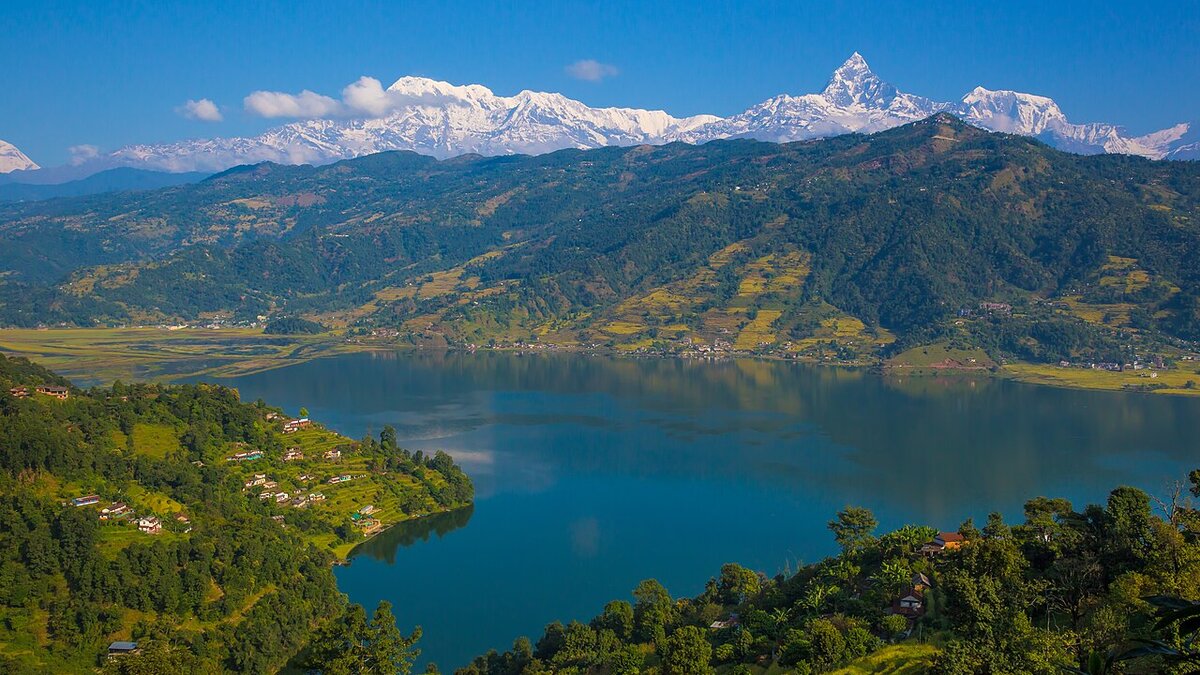
Cover image: Phewa Lake and the Annapurna range above Pokhara in Nepal — photo by Jmhullot, CC BY 3.0, via Wikimedia Commons.
Yes, with caveats that matter more than usual this autumn. Nepal remains a safe destination for Indian tourists in 2026: serious crime against visitors is rare, Kathmandu and Pokhara function normally, and the tourist trail is well used to Indian travellers. The honest qualifier is the September 2026 Langtang disaster, a glacier collapse that sent floods down the valley and killed more than a thousand people. It was a mountain-valley catastrophe, not a cities-and-highways one, so the safety question splits in two: the towns and classic sightseeing circuit are as safe as ever, while high-mountain travel needs route-by-route checking this season.
British government advice, which tracks Nepal closely, puts it plainly: there is a low rate of serious crime, but visitors should take precautions, and the real risks are roads, altitude and monsoon weather rather than crime. That framing matches what Indian travellers actually report. Read on for the area-by-area picture.
Is Nepal safe right now after the September 2026 floods?
Kathmandu, Pokhara, Lumbini, Chitwan and the Terai highway towns were not in the disaster zone and operate normally. Hotels, domestic flights and restaurants in these places are unaffected. What changed is the mountains: the Langtang glacier collapse and its flood toll closed routes in and around the Langtang valley, and monsoon landslides always make some trails and roads impassable through September. Anyone planning a trek must check which Nepal treks are currently open and closed rather than relying on a pre-monsoon itinerary, and should confirm with a registered agency in Kathmandu or Pokhara within days of setting out.
How safe are Kathmandu and Pokhara for tourists?
Both cities are low-risk for violent crime but busy enough for petty theft. The FCDO flags theft in airports, buses and crowded tourist hubs such as Thamel, plus assault risk in dimly lit areas at night. Practical rules that cover almost everything: use hotel safes for passports and extra cash, avoid lonely streets after dark, watch drinks in bars, and be sceptical of free guides who attach themselves to you in Thamel or Lakeside. One scam worth knowing is the trek upsell, where touts rush walkers to altitude so that sickness forces a paid helicopter evacuation. Book treks through registered agencies and ascend at a sane pace instead.
Is trekking in Nepal safe for beginners?
Trekking is safe when the paperwork and the pace are right, and dangerous when either is skipped. You need a valid permit and a TIMS card to enter the main trekking regions, independent trekkers must use a local guide or porter inside national parks, and solo trekking is discouraged. Hazards apply all year above 3,000 metres: sudden weather, avalanches, landslides, crevasses and altitude sickness. Buy insurance that explicitly covers mountain rescue and helicopter costs, since phone coverage is patchy at altitude and a rescue is otherwise a crushing bill. First-timers should pick a teahouse route such as Ghorepani Poon Hill over a remote high pass, and go in October or November when the post-monsoon skies are clearest.
Are Nepal roads and buses safe?
This is the least safe part of an average Nepal trip. Road accidents are a major cause of death and disability, driven by overloading, driver error, poor maintenance, speeding and bad surfaces, with conditions worst in the mountains and during the monsoon. Bus accidents are common, buses run crowded and badly maintained, and night or overloaded travel should be avoided outright. Pay for the tourist coach or a private jeep with seatbelts on long routes such as Kathmandu to Pokhara, and fly the same sector when fares allow. Domestic airlines do not meet international safety standards and are barred from UK commercial services, so treat internal flights as a calculated trade against ten hours on mountain roads. Travellers used to assessing risk across the region can compare notes with the Cambodia safety guide for Indians.
Nepal safety verdict by area
| Area or activity | Verdict for 2026 | Main precaution |
|---|---|---|
| Kathmandu and Pokhara sightseeing | Safe; normal city precautions | Theft in Thamel and Lakeside; hotel safe |
| Lumbini and Chitwan | Safe; unaffected by floods | Road travel standards as above |
| Open teahouse treks | Safe with permits, guide and insurance | Altitude pace; check open routes first |
| Langtang region | Avoid until officially reopened | Follow the trek-status tracker |
| Night buses and mountain roads in monsoon | Highest everyday risk | Daytime tourist coaches or flights |
Frequently asked questions
Is Nepal safe for Indian tourists now?
Yes for the cities and classic circuit, with route checks for the mountains. Kathmandu, Pokhara, Lumbini and Chitwan are unaffected by the September 2026 Langtang disaster. Trekking needs up-to-date open-route information, permits, a guide and rescue insurance.
Is Nepal safe for solo female travellers?
Broadly yes on the main trail, with standard precautions. Stick to registered accommodation and agencies, avoid isolated streets at night, and trek with a guide rather than alone. Harassment is reported less often than in many South Asian destinations, but drink spiking happens in tourist bars.
What is the biggest risk for tourists in Nepal?
Roads, not crime. Overloaded buses, mountain highways and monsoon landslides injure far more visitors than theft or assault. Choose daytime tourist coaches, wear seatbelts where fitted, and fly sectors like Kathmandu-Pokhara when the fare is reasonable.
Do Indians need special permits to visit Nepal?
No permit is needed for cities and sightseeing, only a passport or voter ID for entry. Trekking regions require TIMS cards and area permits, and national parks require a local guide or porter. Confirm which trails are open before committing to an itinerary.