Do not drink tap water in Sri Lanka in 2026. World Bank and CDC guidance, Colombo vs coast, bottled vs boiled, ice rules and vaccines.
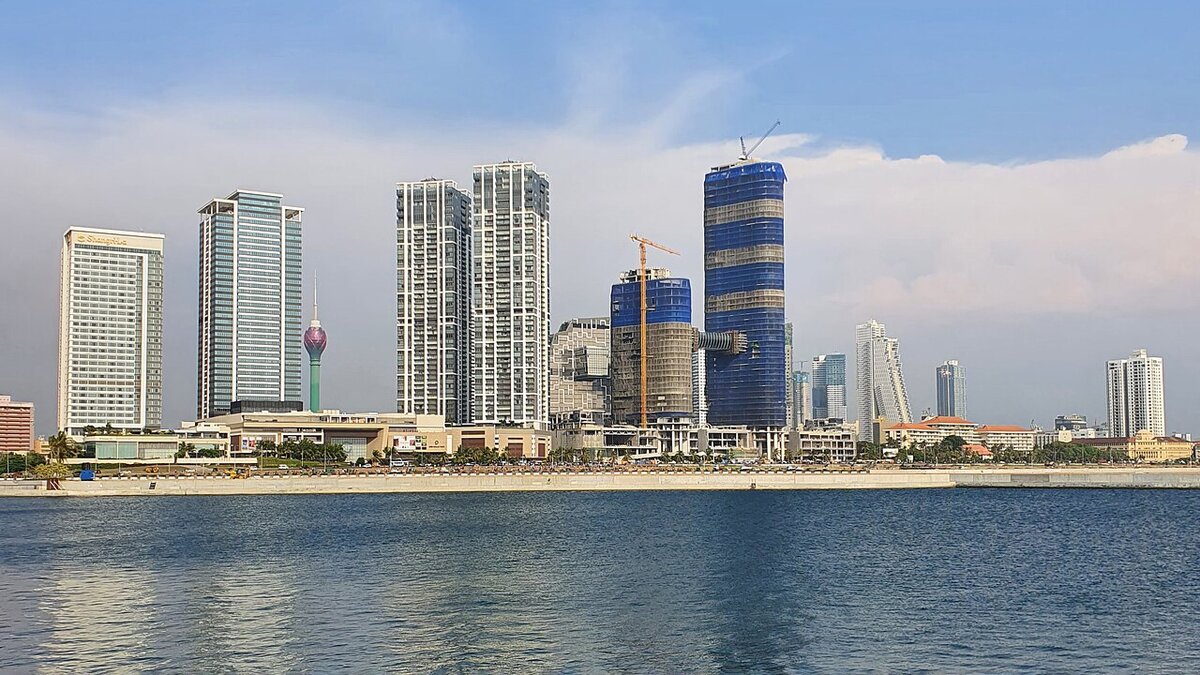
Cover image: Colombo skyline and waterfront towers in Sri Lanka — photo by XKillSwitchXxx, CC BY-SA 4.0, via Wikimedia Commons.
No. Do not drink tap water in Sri Lanka in 2026, in Colombo or anywhere else on your route. Only about 47% of the population uses safely managed drinking water, according to the World Bank's 2022 data, and the US CDC does not list Sri Lankan tap water as safe for travellers. It warns instead against drinking contaminated water and urges standard food-and-water precautions. The practical rule is simple: bottled or properly boiled water for drinking, and tap water only for showering and washing.
This surprises some visitors because Colombo looks fully modern. Piped does not mean potable. Treatment is inconsistent, pipes leak, and monsoon flooding can contaminate supplies for days. Hotels in the mid-range and up know this and generally steer guests to bottled water without being asked. Travellers budgeting the trip can check the Sri Lanka trip cost guide from India, which already assumes bottled water throughout.
Why is tap water unsafe in Sri Lanka?
Two numbers tell the story. The World Bank puts safely managed drinking water at 47.1% for 2022, barely changed across the preceding seven years, which means most households, and by extension most taps a tourist meets, are outside the safely managed category. The CDC's Sri Lanka page reinforces the caution from the health side, warning that contaminated water spreads illness and recommending hepatitis A, hepatitis B and typhoid vaccination for travellers. Chlorinated city supply that is fine for locals with lifelong exposure can still upset a visitor's stomach in the first week.
Is tap water safer in Colombo than elsewhere?
Marginally, but not enough to drink. Colombo's municipal supply is the most treated in the country, hill-country towns such as Kandy and Nuwara Eliya run on spring and reservoir sources of varying treatment, and coastal and rural areas lean on wells that flood in monsoon season. None of these reaches the drink-from-the-tap standard. The one real divide is availability: Colombo and Galle have bottled water on every corner, while remote east-coast and hill villages may have one shop, so stock up before long transfers. Indoor attractions, malls and restaurants in the cities all serve bottled water as a matter of course.
Bottled or boiled: what should you actually drink?
Sealed bottled water is the default. Check the seal and the brand, since refilled bottles are a known trick in tourist areas everywhere in South Asia. Boiled water is equally safe when it reaches a rolling boil, and most guesthouses will boil a flask on request. Many mid-range hotels leave complimentary bottles, and large hotels run filtered dispensers; both are fine. What to avoid: hotel bathroom glasses pre-filled from the tap, roadside water jars, and any bottle whose seal looks tampered with. The same caution travellers apply in Cambodia's tap water situation works unchanged in Sri Lanka.
What about ice, fresh juice and brushing teeth?
| Source | Verdict | Why |
|---|---|---|
| Sealed bottled water | Safe | Default choice everywhere |
| Rolling-boiled water | Safe | Ask guesthouses for a flask |
| Hotel filtered dispenser | Safe | Standard in larger hotels |
| Factory tube ice in cities | Usually fine | Made from treated water; still skip if unsure |
| Crushed roadside ice | Avoid | Often frozen tap water, handled by hand |
| Fresh king-coconut and juice | Safe if fresh | Served in the shell; skip pre-cut fruit plates |
| Brushing teeth | Use bottled | Small effort that prevents most stomach upsets |
King coconut, the orange tender coconut sold at every beach and bus halt, is the safest drink in the country: sterile inside the shell until the vendor cuts it. Fresh lime and wood-apple juices are fine from busy stalls with high turnover. Say no to crushed ice in roadside drinks, and brush with bottled water rather than the bathroom tap.
Which vaccines do you need for Sri Lanka?
The CDC recommends hepatitis A for unvaccinated travellers aged one and up, hepatitis B for unvaccinated travellers under 60, and typhoid for most travellers, alongside routine vaccines. Yellow fever vaccination is not required unless arriving from a risk country. Sort these four to six weeks before departure at a travel clinic, and pack oral rehydration salts plus a basic anti-diarrhoeal. Stomach upsets still happen to careful travellers; what matters is that they stay minor. Indians comparing island destinations can also check the cheapest way to reach Sri Lanka from India when planning the same trip.
Frequently asked questions
Can you drink tap water in Colombo?
No. Colombo has the best-treated supply in Sri Lanka, but it still falls short of drinkable for visitors. Stick to sealed bottled water or boiled water even in five-star hotels, and use bottled water for brushing your teeth.
Can you drink boiled tap water in Sri Lanka?
Yes. A full rolling boil kills the pathogens that matter, and guesthouses will usually boil a flask on request. Let it cool in a clean covered container rather than transferring it to an unwashed bottle.
Is the ice in Sri Lankan drinks safe?
Factory-made tube ice in city restaurants is generally fine, but crushed ice from roadside stalls is often frozen tap water and best refused. When in doubt, order drinks without ice; king coconut needs no ice at all.
Do you need vaccines for Sri Lanka from India?
The CDC recommends hepatitis A, hepatitis B and typhoid vaccination for most travellers, plus routine vaccines. Yellow fever shots are only needed if arriving from a yellow-fever-risk country. Visit a travel clinic a month before departure.