Malaysia is safe for Indian tourists in 2026 for Kuala Lumpur, Penang and Langkawi, with petty crime the main risk; eastern Sabah islands require extra caution due to kidnap advisories.
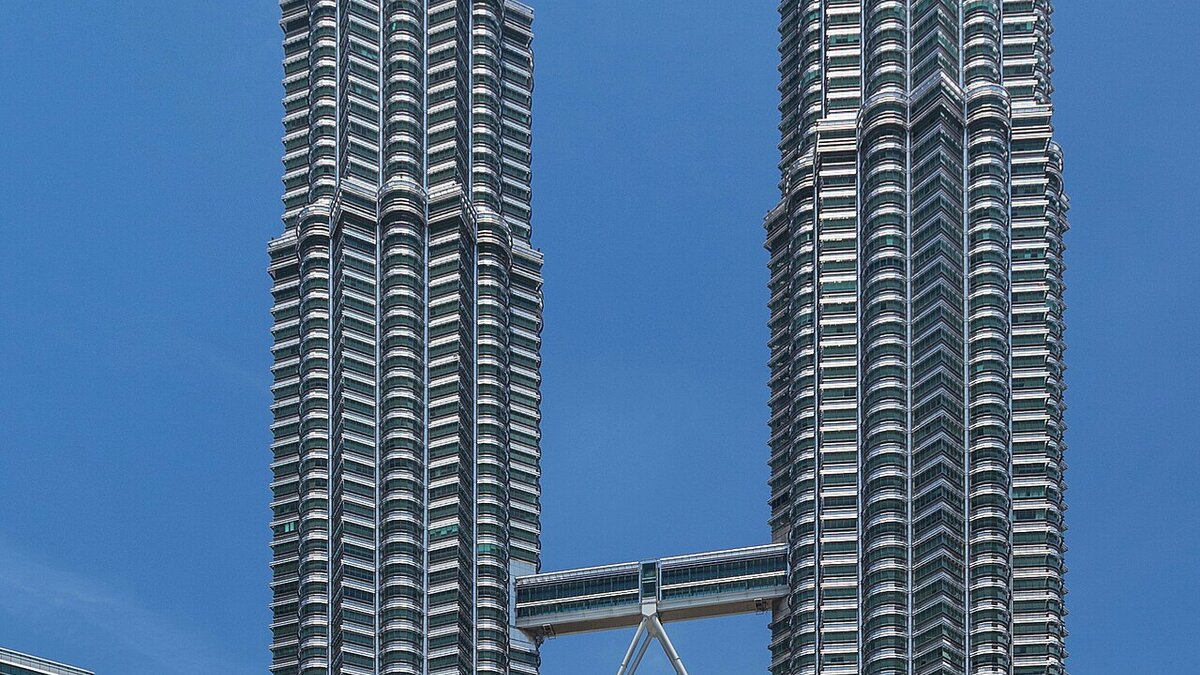
Cover image: the Petronas Towers in Kuala Lumpur — photo by Marcin Konsek, CC BY-SA 4.0, via Wikimedia Commons.
Malaysia is safe for Indian tourists in 2026 across the main visitor hubs, but you should plan street-smart. Kuala Lumpur, Penang, Langkawi, Malacca and Kota Kinabalu city are routinely visited by Indian families and solo travellers with no general advisory against travel. Petty crime is the main risk, including pickpocketing and bag snatching in markets and on public transport. The only area where the UK FCDO advises against all but essential travel is islands and dive sites off eastern Sabah from Sandakan to Tawau, including Lankayan, due to a kidnap threat. That zone does not include mainland Sabah or Kota Kinabalu itself.
Violent crime against foreign tourists is less frequent than property crime, according to crime data for Malaysia. Reported homicide was 0.7 per 100,000 in 2024, assault 10.5 and rape 4.8 in 2023. The practical issues for tourists are non-violent: credit-card fraud, motor-vehicle theft and scams involving card games and gold jewellery sales in Kuala Lumpur. Health nuisances are dengue year-round and seasonal haze, plus monsoon floods in late 2026.
Is Malaysia safe for Indian tourists (is Cambodia safe for Indian tourists) right now?
For the classic Indian itinerary, yes. Kuala Lumpur (Petronas, Batu Caves), Penang (George Town), Langkawi (beaches, cable car) and Genting Highlands are all outside the FCDO eastern Sabah warning. The FCDO page, current at 2 September 2026 and updated 19 March 2026, repeats the same precise warning it has carried for years: avoid non-essential trips to the eastern Sabah coastal islands and dive sites from Sandakan to Tawau. It explicitly says this does not apply to the mainland of Sabah.
Indian travellers are a large source market, and hotels and malls in KL maintain visible security and CCTV. The risk matrix is familiar from other Asian capitals: crowded, not dangerous. Road traffic, not crime, is the biggest everyday hazard.
What about crime, scams and terrorism in Malaysia?
Petty crime: Wikipedia's Crime in Malaysia summary notes that pickpocketing and burglaries are common criminal activities directed against foreigners, with theft at 140.5 per 100,000 (2006 reference) and burglary 103.4. In practice that means phone snatching from motorbikes in KL, bag slashing in Bukit Bintang night markets, and hotel-room theft if doors are not double-locked.
Scams: the same source highlights card-game and gold-jewellery scams in Kuala Lumpur and a high rate of credit-card fraud. Common Indian-tourist reports include gem-shop invitations, rigged taxi meters and fake tour desks near Pasar Seni. Use Grab, pay by card only at reputable merchants, and never hand your passport to a shop for "verification".
Terrorism: Malaysia has not had a major attack on tourists in recent years, but the global FCDO context box in September 2026 still flags airspace disruption due to escalation in the Middle East as a transit risk. Check advice for any Gulf layover if flying Gulf carriers. Inside Malaysia, follow police instructions at religious and national-day gatherings and avoid political protests in KL.
Health, weather and natural disasters: what to watch in 2026
Health: dengue is endemic, with cases peaking after rains. Wear repellent, especially dawn and dusk. Tap water is not reliably potable outside hotels, and street-food hygiene varies. Travel insurance that covers hospital cashless in Malaysia is worth buying in India before departure, as private hospitals require deposits.
Weather: late August to early September 2026 has seen El Nino-linked haze from Kalimantan fires drifting over peninsula Malaysia and Borneo, with air-quality spikes on some days. If you have asthma, carry inhalers and check daily AQI. The northeast monsoon from November will bring heavy rain and occasional floods on the east coast (Kuantan, Terengganu, Kota Bharu), occasionally closing roads.
Natural disasters: Malaysia sits outside the Pacific Ring of Fire but gets occasional tremors felt in Borneo and rare flash floods in cities. No special preparation is needed beyond standard monsoon-season flexibility.
| Destination | Risk level for Indian tourists | Main caution |
|---|---|---|
| Kuala Lumpur city centre | Low | Pickpockets in Bukit Bintang, scams, traffic when crossing |
| Penang & Langkawi | Low | Bag snatching on scooters, dress modestly at temples |
| Kota Kinabalu (mainland Sabah) | Low | Boat safety for island day trips, check operator licences |
| Eastern Sabah islands (Sandakan to Tawau) | Advisory against non-essential travel | Kidnap threat, including Lankayan, Mabul, Sipadan dive sites |
Tips for Indian families and solo travellers in Malaysia
Keep it simple and visible. Use Grab for airport transfers and night rides, not unmarked taxis. Keep phones in front pockets in Chow Kit and Petaling Street. Leave the original passport in the hotel safe and carry a photocopy. For money, use ATMs inside banks and enable transaction alerts, because credit-card fraud is repeatedly flagged for Malaysia.
Women travelling solo report Malaysia as relatively comfortable, especially in Penang and Langkawi, but standard precautions help: avoid empty LRT carriages late, choose hotels with 24-hour reception, and avoid accepting drinks from strangers in bars. For families with elders, book hotels near LRT stations to limit walking in heat and carry ORS and basic medicines.
If you are building a multi-country trip, see is Vietnam safe for Indian tourists, is Singapore safe for Indian tourists and is Indonesia safe for Indian tourists, plus our planning guides best time to visit Thailand from India and do you need a visa for Malaysia from India.
Frequently asked questions
Is Kuala Lumpur safe for Indian tourists at night?
Yes for the main tourist zones like KLCC, Bukit Bintang and Chinatown. Petty theft is the main risk, not violent crime. Use Grab after 22:00, keep bags zipped and in front, and avoid counting cash on the street. Police and auxiliary police are visible around malls and transit hubs.
Should I avoid Sabah entirely?
No. Only the islands and dive sites off eastern Sabah from Sandakan to Tawau, including Lankayan, carry the FCDO advisory against all but essential travel due to kidnap risk. Mainland Sabah, including Kota Kinabalu city, the Kinabalu Park approach and Sandakan city itself, is not covered by that advisory.
What scams target Indians in Malaysia?
The most reported are card-game cons, fake gold-jewellery shops near tourist markets, gem scams, rigged taxi meters and overcharging by unofficial tour desks. Fix prices in Grab, pay by card only at established shops, and never hand over your passport or follow someone to a back-room shop.
Is tap water safe in Malaysia?
No. Drink bottled or filtered water, even in hotels, and avoid ice from roadside stalls if you have a sensitive stomach. Dengue-bearing mosquitoes are active year-round, so repellent and covering arms and legs at dusk matter more than water worry.