Best time to visit Cambodia from India is cool dry November to March for Angkor Wat and beaches; May is hottest at 38C+, mid-May to October is wet with 1,000-1,500mm rain.
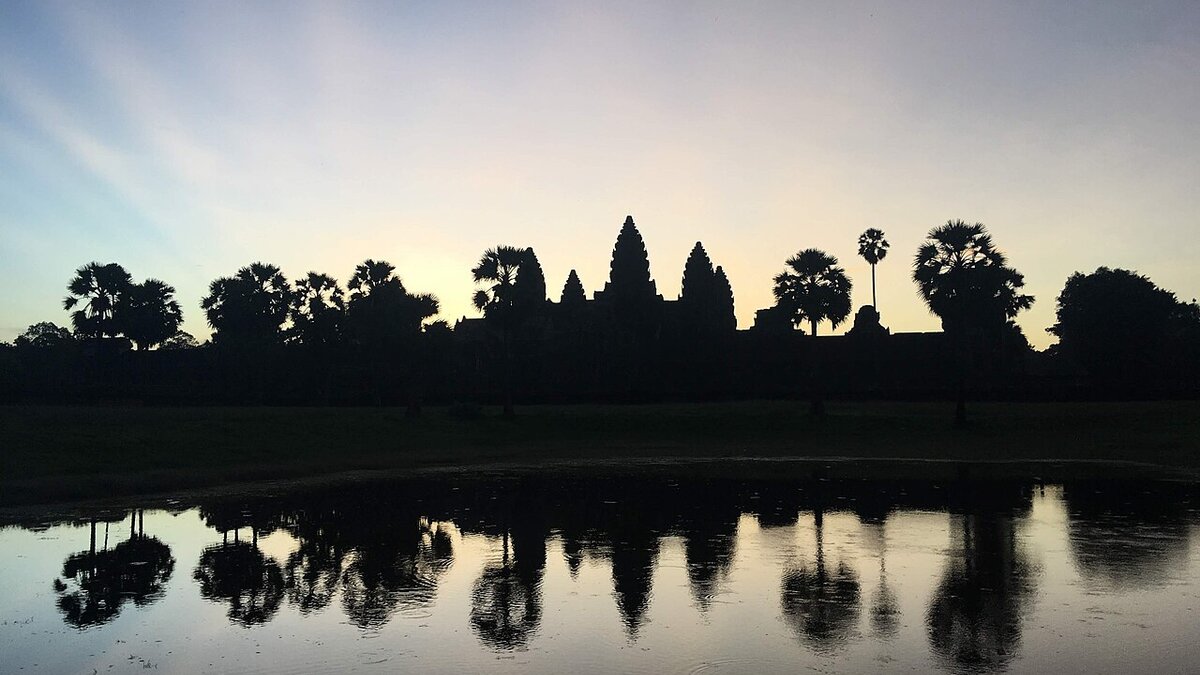
Cover image: Angkor Wat at sunrise — photo by Christophe95, CC BY-SA 4.0, via Wikimedia Commons.
The best time to visit Cambodia from India is the cool dry season from early November to March. Days average near 25 degC, humidity drops to about 50 percent by day, and the southwest monsoon has ended, so temple circuits and beach islands are at their most comfortable. May is the warmest month, with highs above 32 degC and pre-monsoon peaks over 38 degC, while January is the coolest, when night lows can dip below 20 degC.
Wet season runs mid-May to early October, with annual rainfall 1,000 to 1,500 mm nationwide and over 2,500 to 5,000 mm on the southwest coastal mountains. The wet is not a washout every day, but afternoons are humid near 90 percent and roads to remote temples can flood. Tropical cyclones rarely cause damage in Cambodia, so your main planning lever is humidity and Angkor Wat crowds, not storms.
When is the best time to visit Cambodia from India?
For most Indian travellers, November to February is the sweet spot. This aligns with Diwali and winter breaks, and you get dry mornings for sunrise at Angkor Wat, Tonle Sap at a high but navigable level, and the best beach conditions in Sihanoukville, Koh Rong and Koh Rong Sanloem. Early November to mid-December is especially pleasant before peak crowds.
March to early May is hot and dry. Mornings are still workable, but midday exploration is draining as temperatures push past 38 degC. If you travel then, book Angkor passes for sunrise and late afternoon, keep midday for museums and cafes, and carry rehydration salts.
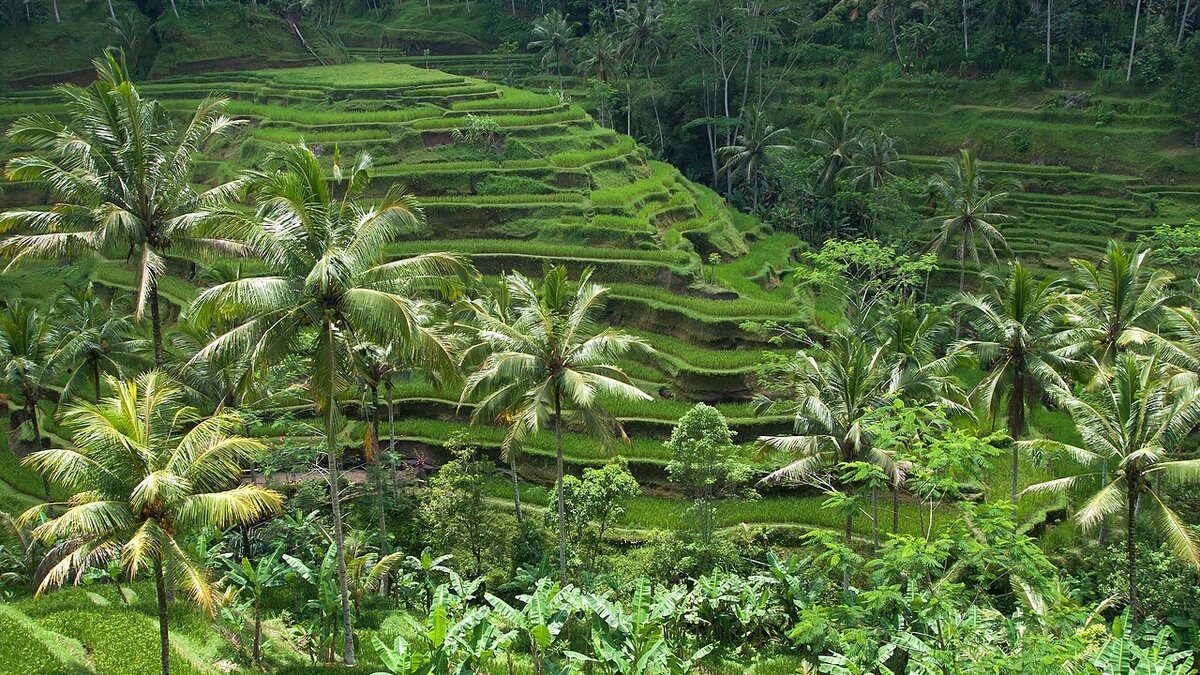
Mid-May to early October is wet. Mornings can be clear, afternoons bring showers, and rural tracks turn muddy. The upside is fewer crowds, lower hotel rates, and lush paddy fields for photography. Serious flooding is usually localised, not nationwide.
How does Cambodia weather fit Indian holidays?
Diwali (late October to November in 2026) and Christmas to New Year sit right at the start of the dry season. Book four to six months ahead for Siem Reap, because Indian, European and Chinese demand peaks then. Pongal and winter school holidays in January are also ideal, with the coolest nights and firm ground for Beng Mealea and Koh Ker day trips.
Summer holidays (April to June) from India coincide with Cambodia's hottest and then wettest phase. You can still travel, but shift beach days to the start of the trip and keep Angkor to two half-days rather than one full day in the sun. If heat is a concern, pair Cambodia with Vietnam's central coast where May to August is drier.
What about Angkor Wat crowds and Tonle Sap seasons?
Angkor Wat sees the heaviest crowds from late December to February, especially around sunrise at the main causeway. For a quieter experience, enter from the east gate, watch sunrise from Srah Srang, or split the small and grand circuits over two mornings. The wet season thins crowds by 30 to 40 percent, but some outer temples like Banteay Srei have slippery stone.
Tonle Sap lake expands several-fold in the wet and contracts in the dry. November to February offers high water without daily rain, so floating villages like Kampong Khleang are accessible and photogenic. In April to May water is lowest, stilt houses look dramatic but boat channels narrow.
Is it better to go for beaches or temples?
If beaches lead your plan, target November to March for Sihanoukville and the Koh Rong islands, when seas are calmer and rainfall is lowest on the coast, even though the coastal mountains still catch more rain than Siem Reap. If temples lead, the same window gives the firmest paths and best light. In the wet, beaches see rougher seas and some boat cancellations, but Siem Reap hotels discount 25 to 40 percent.
| Month | Season in Cambodia | What it feels like | For Indian travellers |
|---|---|---|---|
| Nov - Feb | Cool dry, NE monsoon | 25 degC days, 50 percent humidity by day, January nights below 20 degC | Best for Angkor and beaches, aligns with Diwali and winter break, book early |
| Mar - early May | Hot dry | 32 degC+ days, peaks above 38 degC in May | Early starts only, good for photographers who tolerate heat |
| Mid-May - early Oct | Wet, SW monsoon | 90 percent humidity, 1,000-1,500 mm rain, lush fields | Fewer crowds, lower prices, afternoon showers, muddy tracks |
| Oct - early Nov | Transition | Rain easing, still humid | Shoulder value, green landscapes, improving beach weather |
Pair this with our neighbouring guides: best time to visit Vietnam for a combined Angkor-Hoi An loop, best time to visit Thailand from India for a Bangkok-Siem Reap split, best time to visit Laos from India for a quieter Mekong add-on, and practical do you need a visa for Cambodia from India.
Frequently asked questions
Is November to March really the best time for Angkor Wat?
Yes. Dry, cooler air from early November to March gives firm paths, lower humidity around 50 percent by day, and comfortable sunrise temperatures near 20 to 24 degC. December to February is the busiest, so start at 05:15 for sunrise and use the east gate to avoid the main causeway jam.
Can I visit Cambodia in July or August from India?
You can. Expect humid air near 90 percent and afternoon showers from the southwest monsoon. Mornings are often dry enough for temples, and hotels in Siem Reap discount 25 to 40 percent. Bring waterproof shoes for Banteay Srei and Koh Ker, and keep a flexible boat plan for Tonle Sap.
How hot does Cambodia get in May?
May is the warmest month, with daytime highs commonly above 32 degC and spikes above 38 degC before the rains. January is the coolest, with night lows occasionally below 20 degC. If you travel in late hot season, plan temple time for early morning and late afternoon only.
Do cyclones affect Cambodia trips?
Rarely. Tropical cyclones only infrequently cause damage in Cambodia. Your main weather risk is not wind but steady monsoon rain from mid-May to early October and high humidity, which matters more for comfort than safety.