For most Indian travellers the best time to visit Thailand is November to February when the cool-dry season brings 22-28°C days, low rainfall and calm seas, while March to May is very hot and June to October is rainy — Koh Samui is the exception with its wettest weather in November.
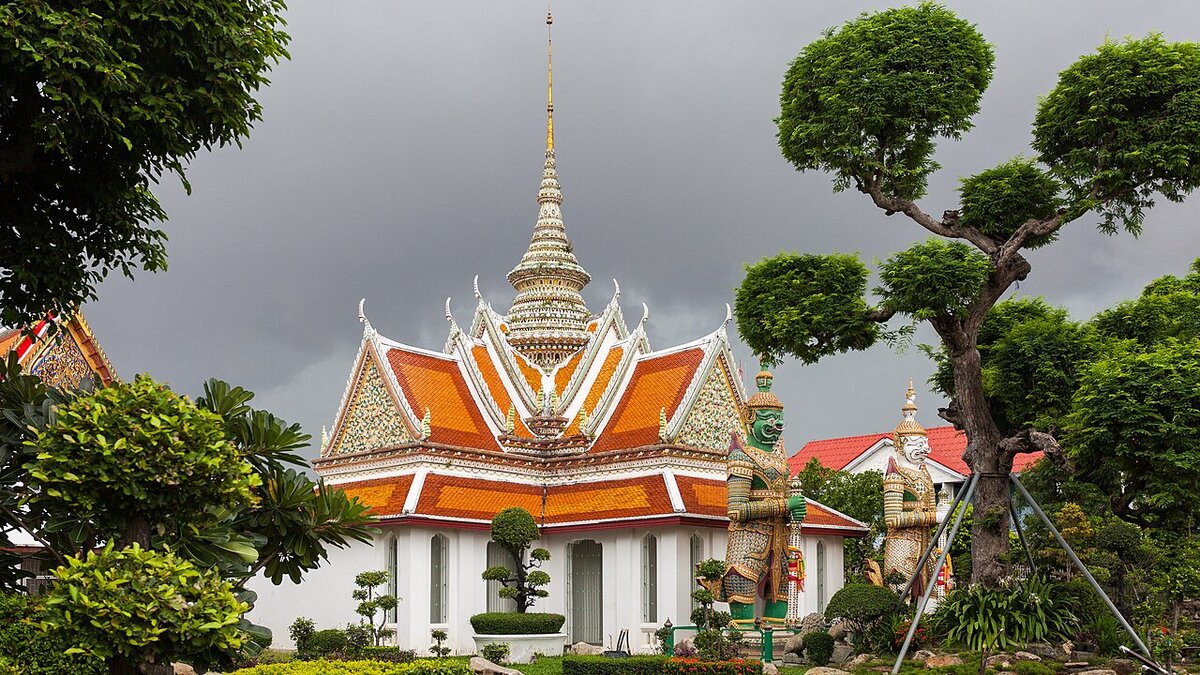
Cover image: Wat Arun temple on the Chao Phraya River in Bangkok, Thailand — photo by Diego Delso, CC BY-SA 3.0, via Wikimedia Commons.
The best time to visit Thailand from India is November to February, when the cool-dry season delivers pleasantly warm days of about 22 to 28°C, lower humidity and the least rain across Bangkok, Chiang Mai and the Andaman coast. This window is ideal for city sightseeing, temples and beach time with calm seas around Phuket (Krabi vs Phuket) and Krabi. March to May turns very hot, often above 35°C and reaching 42 to 43°C inland in April, while June to October is the rainy season with short afternoon downpours that become heaviest in September. The Gulf Coast islands buck the pattern, Koh Samui is wettest in November with about 18 inches of rain and driest in February. For Indians timing flights around Diwali, Christmas-New Year or summer holidays, the shoulder months of late October and June to August trade a little rain for prices up to 50 percent lower.
When is the best time to visit Thailand from India?
If you want the most reliable weather for a first trip, target mid-November to February. Thailand Highlights describes this cool-dry period as relatively dry and less humid, averaging 22 to 28°C during the day, with mountain areas around Chiang Mai and Chiang Rai cooling below 15°C at night so a light jacket helps. Airlines from Delhi, Mumbai and Bengaluru add capacity in this peak, so fares from India are highest then, especially over Christmas, New Year and the late-October Diwali break when many Indian families travel.
The hot season from March to May is a harder sell for extensive sightseeing. Temperatures often exceed 35°C and inland areas can top 40°C, with April typically the hottest month above 38°C and bursts to 42 to 43°C. Northern Thailand also sees haze from field burning in March to early April, which can dull views in Chiang Mai. The rainy season from June to October starts with brief late-afternoon showers that clear quickly, then shifts to heavier, flood-prone rain in September and October. Sea conditions on the Andaman Coast become rough from May to October, which matters if you plan island ferries. If your dates are fixed for the Indian summer vacation (May to June), consider the Gulf Coast instead, Samui, Koh Phangan and Koh Tao stay drier through much of the summer.
For context on Thailand's overall entry rules this year, see do I need a visa for Thailand from India which explains the 30-day visa-not-required rule until 2026 and the TDAC filing, and is Thailand safe to visit for current safety notes before you book. Our best time to visit Bali uses the same month-by-month format if you are comparing Thailand and Bali for the same leave window.
What is Thailand's weather like month by month?
Thailand has three broad seasons rather than four, and the exact feel depends on where you go. Use this month-by-month snapshot built from Thailand Highlights regional tables and the Geography of Thailand climate summary which lists Andaman rainfall around 4,015 mm a year and Gulf coasts nearer 600 to 850 mm.
| Month | Typical weather across Thailand | Temperature guide | Rainfall and sea |
|---|---|---|---|
| November | Cool-dry begins, comfortable for cities and islands | 22-28°C days, below 15°C at night in northern mountains | Low on Andaman coast, but Koh Samui wettest at about 18 inches |
| December | Dry, peak crowds around Christmas and New Year | 22-28°C | Very low rain except late Gulf showers, calm Andaman seas |
| January | Coolest and driest month for most regions | Bangkok about 90°F/32°C, Chiang Mai 82°F/28°C | Bangkok near 0 inches, Phuket (Krabi vs Phuket) about 2 inches, ideal beach |
| February | Dry, great for beaches and trekking before heat builds | 22-28°C, warming slightly | Samui driest at about 2 inches, good for Gulf islands |
| March | Hot season starts, haze in the north | Often above 35°C, up to 40°C+ | Dry but smoky in Chiang Mai, burning season peaks |
| April | Hottest month, Songkran water festival mid-month | Above 38°C, peaks 42-43°C inland | Low rain, very hot, sea still calm early in month |
| May | Heat eases slightly as rain returns | Highs near 34-35°C | Andaman seas start to roughen, Gulf still reasonable |
| June-August | Early rainy, short afternoon downpours then clear | 29-32°C with humidity | 2-8 inches depending on coast, Andaman choppy, hotels often 50% cheaper |
| September | Wettest month nationally | Bangkok 90°F/32°C, Phuket (Krabi vs Phuket) 86°F/30°C | Bangkok about 13 inches, Phuket (Krabi vs Phuket) 15 inches, Krabi 13 inches, flooding risk |
| October | Late rainy, heavy at both coasts before transition | Highs near 30-32°C | Heavy rain early, improves late; sailing conditions poor |
Compared with Bali, which peaks June to August for dry weather, Thailand's dry peak is inverted. That helps if you are choosing between the two on Indian school calendars, Thailand favours the winter break, Bali favours the summer break. See also Thailand visa-free update for September 2026 for how the 30-day stay interacts with longer shoulder-season trips.
Which part of Thailand is best for which month?
Pick your coast by month rather than assuming one Thailand weather for all places.
- Bangkok and Ayutthaya (central): Most comfortable November to February. By September rainfall reaches about 13 inches and flooding can disrupt transport, so avoid hotel bases dependent on daily day-trips then if you dislike rain.
- Chiang Mai and Chiang Rai (north): Mild days of 24 to 28°C from November to February are best for temples and trekking. Avoid March to May when heat and smoke reduce visibility. September brings about 8 inches of rain.
- Phuket (Krabi vs Phuket), Krabi, Phi Phi (Andaman Coast): Target mid-November to April for calm seas and diving visibility. September is the low point with about 15 inches on Phuket (Krabi vs Phuket) and rough seas that cancel boat trips. January with about 2 inches is a safe bet for beach weather.
- Koh Samui, Koh Phangan, Koh Tao (Gulf Coast): The pattern flips. Best is mid-December to early September, with February near 2 inches. Avoid late October to early December when the Gulf monsoon peaks, November on Samui averages about 18 inches and can strand inter-island ferries.
If you only have Indian summer leave in May or June, set expectations: Bangkok will be hot and humid, Phuket (Krabi vs Phuket) will see afternoon storms and choppy water, but Koh Samui often delivers usable beach days at lower occupancy.
Is it cheaper to visit Thailand in the rainy season?
Yes, and the difference is material. Thailand Highlights notes hotels can drop by up to 50 percent in the low season of June to August, with brief showers that many travellers tolerate. May and late October are framed as shoulder months with fewer tourists and softer rates before the cool-dry peak fully arrives.
From India, the cheapest Thailand flights often appear in May, June, August and September outside Indian festival peaks. fares for Delhi to Bangkok on low-cost carriers can dip when Phuket (Krabi vs Phuket) seas are rough, so your beach trade-off should be explicit. If you travel September to October for price, build buffer days for possible transport delays, especially around Bangkok and central plains where September's 13 inches can close roads near the Chao Phraya basin.
Peak pricing concentrates in the cool-dry months. December to February sees the highest room rates on Phuket (Krabi vs Phuket) and Krabi, with December and the New Year period compressed by global holiday demand. Loy Krathong and Yi Peng lantern events in November also lift Chiang Mai occupancy, so book those dates early.
When are Thailand's biggest festivals in 2026-2027?
Time your trip around festivals if weather alone does not decide it:
- Loy Krathong and Yi Peng (November): Lantern and floating basket festivals, most atmospheric in Chiang Mai. November is already cool-dry, so this is a strong combination for photography.
- Songkran Thai New Year (13 to 15 April): Nationwide water celebrations. It is extremely hot then, often over 38°C, but culturally unmissable and centred on Bangkok and Chiang Mai.
- Chiang Mai Flower Festival (February) and Chinese New Year (January to February): Both sit inside the cool-dry peak, so weather helps.
- Phuket (Krabi vs Phuket) Vegetarian Festival (October): Falls in the wet shoulder, so expect rain around processions.
- December and New Year countdowns: Beach parties and city countdowns in Bangkok and Phuket (Krabi vs Phuket), packed and at peak hotel rates.
Indian travellers using long weekends can map these to their own calendar. Diwali 2026 falls in mid-October, which sits at the rainy to cool transition and can still be wet on the Andaman Coast, while the Christmas to New Year window is reliably dry but crowded and pricey.
Frequently asked questions
What is the best time to visit Thailand from India?
November to February is best for most Indian visitors, with 22 to 28°C days, lower humidity and minimal rain on the Andaman Coast, in Bangkok and in the north. For Koh Samui and the Gulf islands choose mid-December to early September instead, since November is the wettest month there.
Which is the cheapest month to visit Thailand from India?
June to August and late September to October are generally cheapest for hotels which can be up to 50 percent lower than the December to February peak. May and late October are shoulder months with fewer crowds. Airfares from India are also softer outside Diwali, Christmas and New Year peaks, but September is the wettest month.
Is April a good time to visit Thailand?
April is the hottest month with highs often above 38°C and up to 42 to 43°C inland, plus haze in the north. It hosts Songkran from 13 to 15 April, so go for the festival if you tolerate heat, otherwise pick November to February for comfort.
When should I avoid Thailand due to rain?
Avoid September and early October if you want reliably dry beach time on Phuket (Krabi vs Phuket) and Krabi, each sees 13 to 15 inches that month and rough seas can cancel boats. On the Gulf side avoid late October to early December, Koh Samui averages about 18 inches in November.