Cloud-seeding flights over West and Central Kalimantan run through 14 September after 15 tons of salt over 19 sorties helped trigger rain in four districts.
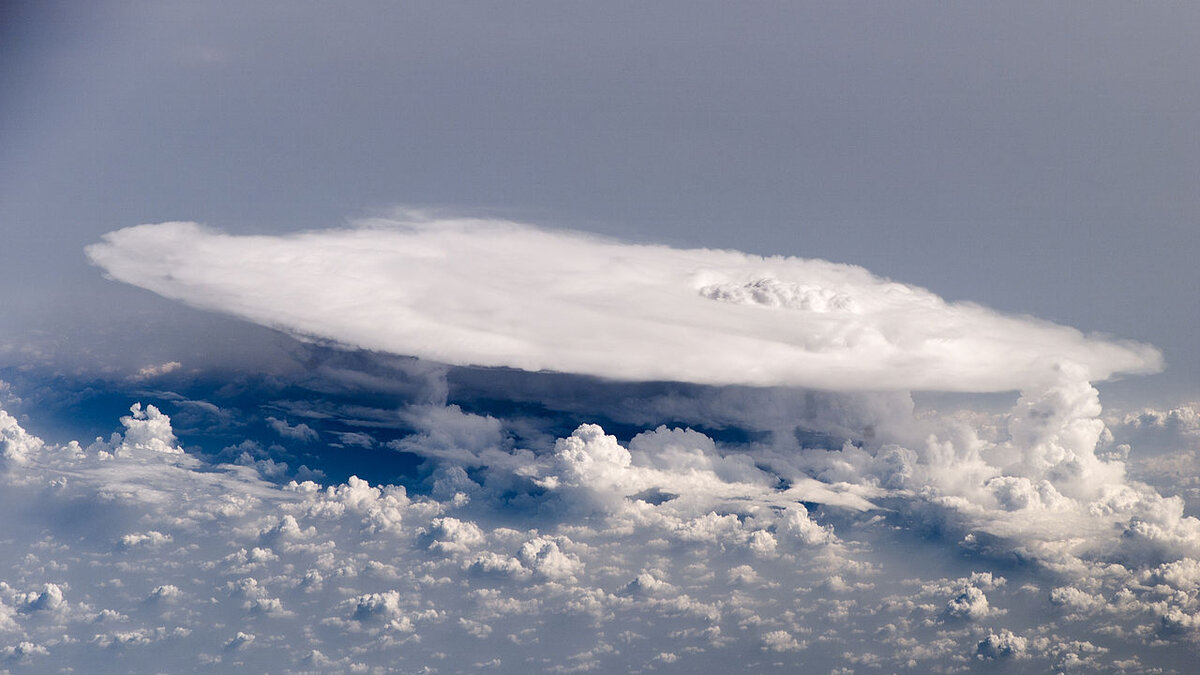
Cover image: a towering storm cloud building over tropical forest — photo by NASA/ISS 16, Public domain, via Wikimedia Commons.
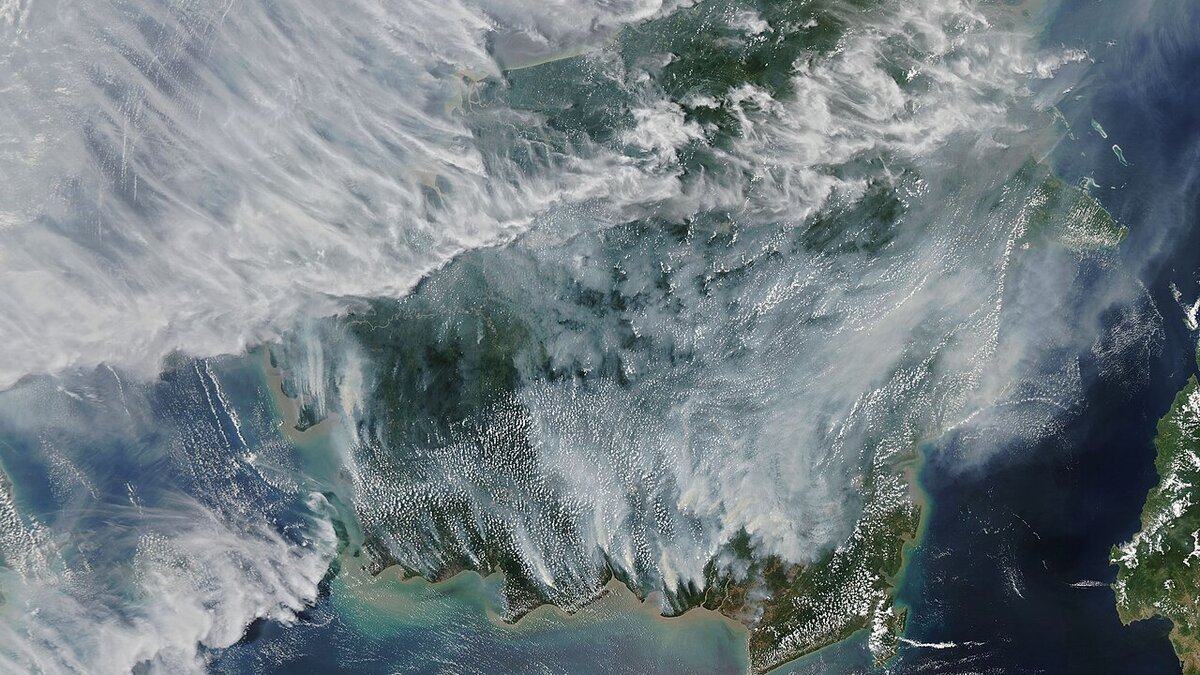
Indonesia has extended airborne rain-making over the burning peatlands of Borneo, ordering cloud-seeding flights to continue through 14 September across West and Central Kalimantan. Environment Ministry crews have already dispersed 8,000 kilograms of salt over West Kalimantan in 10 sorties and 7.2 tons over Central Kalimantan in 9 sorties, and the operation is credited with triggering rain over four fire-hit districts on 4 September.
The decision, confirmed on 5 September, keeps aircraft working Kalimantan's skies for another ten days while ground crews press on below. Sorties are targeted using atmospheric analysis, cloud potential, wind data and hotspot density, focusing on the peat zones where fires smoulder hardest and haze thickens fastest.
How much rain-making has been done so far?
The West Kalimantan campaign ran 10 sorties between 28 August and 4 September, scattering 8,000 kg of sodium chloride to coax rain from suitable clouds. Central Kalimantan logged 9 sorties between 26 August and 2 September with 7.2 tons dispersed, and missions there continued into the weekend.
Early results are tangible. On 4 September rain fell on Kapuas Hulu and Kubu Raya districts plus Pontianak city in the west, and on West Kotawaringin district in Central Kalimantan. The technique builds on the 8-ton Jambi cloud-seeding run earlier in the season, now scaled up to a two-province, multi-agency campaign.
Who runs Indonesia's weather modification?
The Environment Ministry leads, working with the BMKG weather agency, disaster agency BNPB, the Forestry Ministry, the Indonesian Air Force and regional governments. Military airframes matter because only they can lift bulk salt loads and operate from forward bases near the fire zones.
Dasrul Chaniago, the ministry's director of land fire control, called weather modification "an important intervention" that wets peatland and backs up ground suppression teams. His other message was discipline: operations continue and "vigilance must not wane", with the stated goal of stopping spread to protect public health and air quality. Similar multi-agency machinery is being assembled elsewhere, including the new disaster team for the Nusantara capital region.
Can cloud seeding alone stop the fires?
No, and officials say so openly. Chaniago listed the full package: patrols, hotspot mapping, ground containment, peat wetting, better water management, community involvement, corporate oversight and law enforcement. Seeding buys moisture from above; everything else must hold the line below.
The ten-day extension signals that Jakarta expects the dry window to persist into mid-September. If the rains arrive as seeded, hotspot counts should ease and cross-border haze pressure on Malaysia and Singapore with them. If clouds fail to form, aircraft simply wait: seeding needs the right clouds, and Borneo's skies do not always oblige.
Frequently asked questions
What is weather modification in Indonesia?
Aircraft disperse fine salt particles into suitable clouds to encourage rainfall over fire-prone peatland. The current Kalimantan campaign uses Indonesian Air Force flights coordinated by the Environment Ministry, BMKG and BNPB.
How long will cloud seeding continue?
Flights over West and Central Kalimantan are extended through 14 September 2026. To date, crews flew 10 sorties in the west and 9 in the central province, dispersing over 15 tons of salt combined.
Did the seeding produce rain?
Yes. On 4 September rain was observed in Kapuas Hulu, Kubu Raya and Pontianak in West Kalimantan and in West Kotawaringin in Central Kalimantan, all areas targeted by the sorties.
Does cloud seeding replace ground firefighting?
No. Officials describe it as one intervention alongside patrols, hotspot mapping, peat wetting, water management and law enforcement. Seeding helps only when seedable clouds exist over the target zones.