India has scrapped physical boarding pass stamping at immigration from 1 September 2026, shifting to digital clearance. E-boarding passes on your phone now suffice, saving over 1.2 lakh papers a year.
Cover image: travellers queueing at an Indian airport immigration counter with boarding passes — photo by User:이은정, CC BY-SA 4.0, via Wikimedia Commons.
India has scrapped physical boarding pass stamping at immigration for international departures from 1 September 2026, moving to digital clearance. Travellers can now present an e-boarding pass on their phone at the airport and at the immigration counter — no ink stamp required — a change the Union Civil Aviation Minister Ram Mohan Naidu said will save more than 1.2 lakh papers a year and speed up queues.
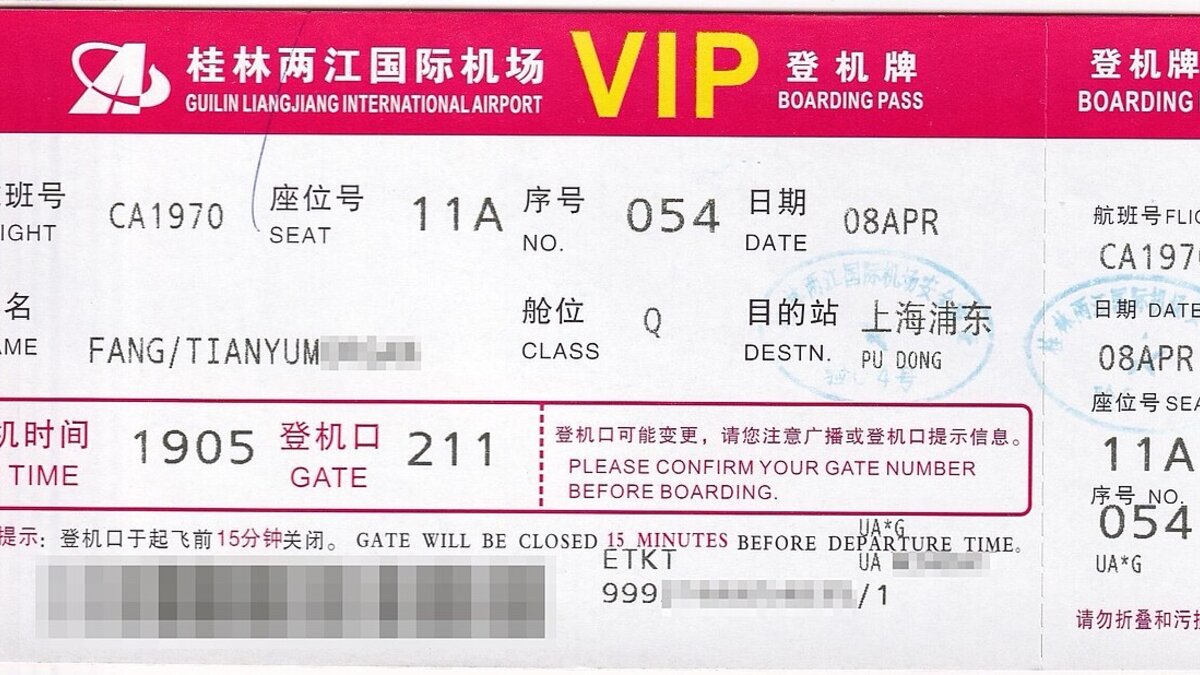
The manual stamp was an extra step after an officer checked your passport, visa and boarding pass. During busy hours that small stamping action added minutes per passenger. Under the new process, the check is electronic and the boarding pass, whether digital or printed, is not stamped at immigration. You may still carry a printed pass if you prefer, but it will simply be verified, not stamped.
What exactly changed on 1 September 2026?
Until 31 August, immigration officers routinely ink-stamped the boarding pass after clearing you. From 1 September, that stamp is gone for international departures:
- Show your e-boarding pass (airline app, email or wallet) or a printed pass at the immigration counter.
- Officers verify passport, visa and boarding pass digitally and clear you without stamping the pass.
- Use the same e-boarding pass at the boarding gate — no separate immigration stamp to show airline staff.
CurlyTales, citing Times Now and the minister’s announcement, reports the step is part of a broader digitisation push that also leans on DigiYatra at major airports. The government has not made e-boarding passes compulsory — printed passes remain valid, they are just no longer stamped.
Do you need a printed boarding pass any more?
No, not for immigration. An e-boarding pass on your phone is now sufficient. Keep it accessible offline (screenshot or wallet) in case of weak airport Wi-Fi, and ensure the QR code is bright and unscratched for scanners. If your airline still issues a printed pass at check-in, you can use either format. The key point is don’t wait for a stamp after immigration — proceed straight to security and the gate.
Will queues be shorter?
Removing a manual stamping action should trim seconds per passenger, which compounds during peak international banks. The government’s figure of 1.2 lakh papers saved annually hints at the volume of stamping that is disappearing. For travellers, the practical gain is faster immigration lines and one fewer paper to keep pristine in your passport pouch. Airlines also benefit from fewer re-issues when a stamp smudges or is missed.
What about DigiYatra and biometrics?
The change sits alongside DigiYatra, India’s face-based entry system now live at more than a dozen airports, which lets domestic passengers use facial recognition at entry and security. International DigiYatra is being expanded in phases, and the new unstamped process aligns with that direction: verify identity and boarding entitlement digitally rather than with ink. You can still use DigiYatra for entry and security where available, then present your e-boarding pass at immigration without expecting a stamp.
| Before 1 Sept 2026 | From 1 Sept 2026 |
|---|---|
| Boarding pass stamped with ink at immigration | No stamp — digital clearance |
| Printed pass often expected | E-boarding pass on phone accepted; printed still allowed |
| Extra manual step in queue | Step removed; queues should move faster |
| Paper used for stamping process | ~1.2 lakh papers saved per year |
What should international travellers do now?
For flights after 1 September 2026 from Indian airports:
- Check in online and save your e-boarding pass to your phone wallet or keep the airline email handy.
- At immigration, open the QR code before your turn and have your passport and visa ready.
- Carry a printed backup only if you like paper — it will be checked, not stamped.
- Allow the usual arrival time, but expect slightly quicker immigration once staff and passengers adjust.
The update follows other recent passenger-facing changes, from Ahmedabad’s new hub-and-spoke international connections to IndiGo’s booking system outage that showed how digital check-in is now the norm. If you use Thailand trip planning from India, note the same e-boarding pass also works for your return to India — immigration on arrival already checks you digitally.
Frequently asked questions
Do I still need a physical boarding pass to leave India?
No. From 1 September 2026, immigration accepts an e-boarding pass on your phone. You can still carry a printed pass if you prefer, but it will not be stamped at immigration — clearance is digital.
What changes at immigration now?
Officers no longer physically stamp the boarding pass. They check passport, visa and boarding pass (digital or printed) and clear you electronically, cutting a manual step especially at peak hours.
Does this apply to all Indian airports?
The Civil Aviation Ministry says the change applies to international departures at Indian airports. Present your e-boarding pass at the airport and at the immigration counter; domestic flights are unaffected.
Will this save time and paper?
Yes. The government estimates more than 1.2 lakh papers used for boarding pass stamping each year will be saved, and queues should move faster without the extra stamping step.
Sources
- CurlyTales — International Flyers, Take Note! India Scraps Physical Boarding Pass Stamps At Immigration Now (2 Sept 2026, 11:41)
- CurlyTales citing Times Now — Union Civil Aviation Minister Ram Mohan Naidu announcement on digitisation from 1 Sept 2026
- CurlyTales — 1.2 lakh papers saved annually; e-boarding pass on phone accepted