India will add 100 new airports in the next 10 years under a Rs 30,000 crore UDAN expansion, Civil Aviation Minister K Rammohan Naidu said in Ahmedabad on 2 September 2026, taking the network from 166 today.
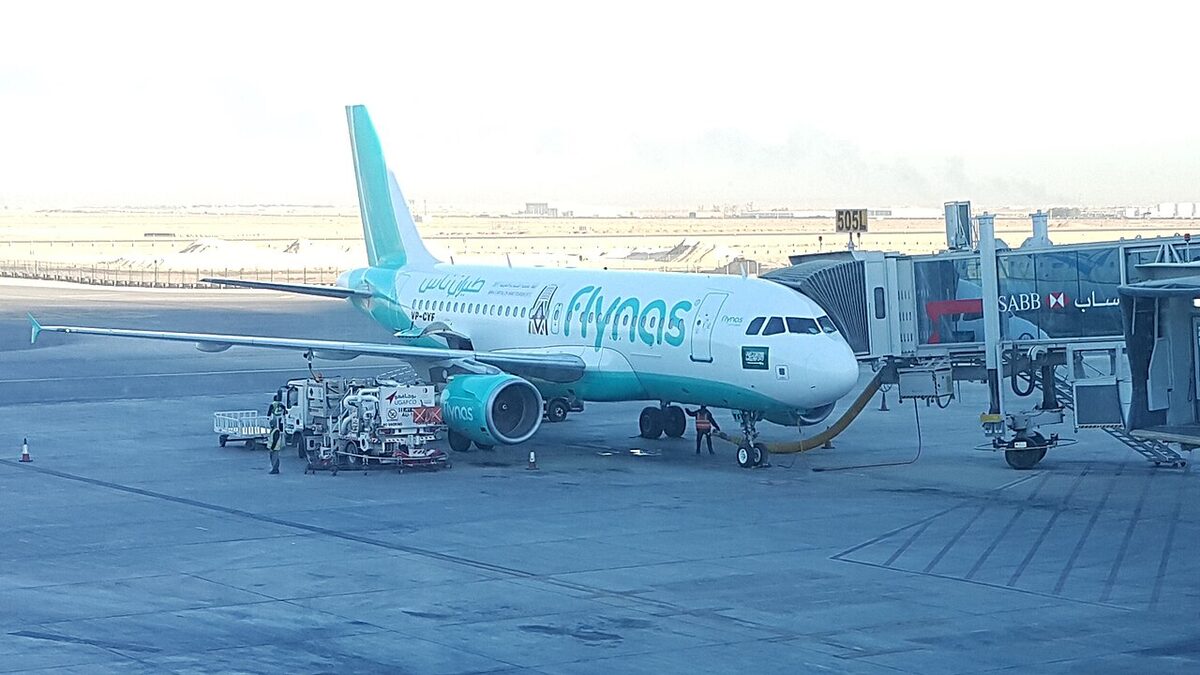
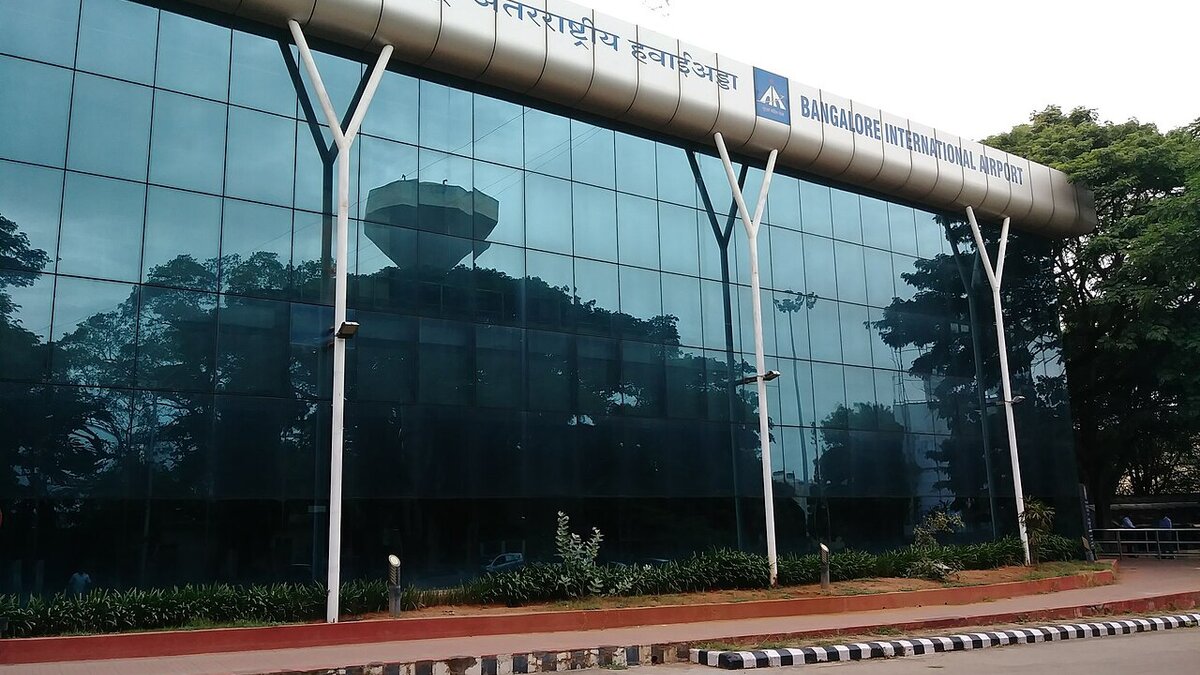
Cover image: an Indian airport terminal exterior at dusk with aircraft on the tarmac — photo by Sunnya343, CC BY-SA 4.0, via Wikimedia Commons.
India will build 100 new airports in the next 10 years with an outlay of Rs 30,000 crore under the UDAN regional connectivity scheme, Civil Aviation Minister K Rammohan Naidu said on 2 September 2026 in Ahmedabad. The announcement lifts the national network from 74 airports in 2014 to 166 today, with the minister noting the country completed a new airport or terminal roughly every 40 days over the past 12 years.
The minister was in Ahmedabad to launch the country's third hub-and-spoke international operation, after Varanasi and Amritsar. The model routes domestic feed flights through the hub so travellers from across India can connect to overseas destinations via Indian airports rather than Gulf or Southeast Asian hubs. For Indian travellers, especially from tier-2 and tier-3 cities, that means fewer separate tickets and more single-itinerary options.
What did the minister announce on 2 September?
Speaking at the Ahmedabad event with Gujarat Chief Minister Bhupendra Patel and Deputy Chief Minister Harsh Sanghavi, Naidu said India’s aviation expansion is just beginning. Key numbers from the announcement:
- 100 new airports planned over 10 years, spend of about Rs 30,000 crore.
- Modified UDAN approved by the Union Cabinet in March 2026 for FY 2026-27 to FY 2035-36 with central support of Rs 28,840 crore.
- Network growth: 74 airports in 2014 → 166 in September 2026.
- Build rate: roughly one new airport or terminal every 40 days for 12 years.
The minister said demand for air connectivity now comes from small towns, Himalayan districts, remote pockets and islands such as Lakshadweep and the Andaman Islands, not just major metros. The tougher challenge, he noted, is not construction but connecting those airports well domestically and internationally, which is where the hub model comes in.
How does Modified UDAN work for travellers?
UDAN (Ude Desh ka Aam Nagrik) subsidises airlines to operate routes that would otherwise be unviable, via viability gap funding and airport incentives. Modified UDAN extends that for a full decade to 2035-36, giving airlines longer visibility to base aircraft, hire crew and market routes. For passengers, that typically means:
- More direct flights from smaller cities to hubs like Delhi, Ahmedabad and Amritsar.
- Capped fares on a proportion of seats on UDAN routes, keeping entry prices accessible.
- Better aircraft utilisation as regional turboprops and narrowbodies feed widebody international departures.
Naidu said the long-term aim is to make India a global aviation hub, so Indians flying abroad can do so via Indian hubs with single-ticket convenience and baggage through-check, rather than transferring overseas.
What is the Ahmedabad hub-and-spoke?
The Ahmedabad hub links domestic cities to 26 international destinations through Ahmedabad. Passengers from places like Vadodara, Rajkot, Udaipur, Bhopal or Indore can fly into Ahmedabad and connect onward abroad without buying two separate tickets. Earlier hubs at Varanasi and Amritsar showed strong uptake, prompting the choice of Gujarat, whose diaspora is spread globally and which generates consistent demand.
Delhi currently offers 54 direct international destinations, but the hub model deliberately pushes international access out from the metros. The minister said Ahmedabad’s figures are expected to surpass other hubs operating at this scale. For travellers, watch for through fares that include domestic and international legs, single PNR protection and coordinated schedules.
Where will the 100 new airports be built?
The 100 sites have not been fully listed, but the minister and cabinet note point to tier-2 and tier-3 cities, Himalayan regions, remote districts and island territories. Past UDAN airports include Jharsuguda, Darbhanga, Kishangarh, Kannur, Pakyong and Kalaburagi. Expect the next wave to follow updated traffic studies and state proposals. Ahmedabad’s launch suggests Gujarat will continue to see upgrades, alongside the other hubs. For now, think north, northeast and island connectivity as priority, where surface travel is slowest and tourism potential is high.
| Milestone | Detail |
|---|---|
| Airports in 2014 | 74 |
| Airports in September 2026 | 166 |
| Build rate (12 years) | ~1 airport or terminal every 40 days |
| Next 10-year plan | 100 new airports, ~Rs 30,000 crore |
| Modified UDAN outlay | Rs 28,840 crore (FY 2026-27 to FY 2035-36) |
| Ahmedabad hub overseas reach | 26 international destinations via hub-and-spoke |
| Earlier hubs | Varanasi, Amritsar |
What does this mean if you fly from India in 2026?
For leisure and business travellers, the combination of more local airports and hub-and-spoke international connections should cut total journey time and reduce reliance on separate tickets. Indians in Gujarat, and later other regions as hubs multiply, will see more affordable one-stop itineraries abroad. If you are planning 2026-27 travel, check Ahmedabad-connecting options when comparing Gulf-hub routings — the through fare may be competitive, and you stay on an Indian carrier for both legs. The policy also signals steady terminal upgrades and better regional aircraft availability, which over time supports lower fares on short sectors.
India’s aviation growth is already the fastest among major markets, and the minister linked it to jobs and city-level economic activity. More airports mean more direct tourism access to secondary destinations, from Ahmedabad’s new hub role to emerging leisure gateways. Travellers following India’s first eVTOL Shunya and the DGCA audit findings ahead of FAA checks will want to watch how connectivity and safety oversight scale together.
Frequently asked questions
How many airports does India have now and how many will it add?
India has 166 airports today, up from 74 in 2014. The government plans to add 100 more in the next 10 years under the UDAN regional connectivity scheme, with an outlay of about Rs 30,000 crore.
What is Modified UDAN and how is it funded?
The Union Cabinet in March 2026 cleared Modified UDAN for FY 2026-27 to FY 2035-36, with central budgetary support of Rs 28,840 crore. It funds viability gap funding, airport development and route incentives to connect tier-2, tier-3 and remote airports.
What is the hub-and-spoke model launched from Ahmedabad?
Hub-and-spoke lets passengers from smaller cities fly via a hub to international destinations on a single ticket. Ahmedabad is the third hub after Varanasi and Amritsar, offering seamless connections to 26 overseas destinations.
When will the 100 new airports be ready for travellers?
The 10-year programme averages about one new airport or terminal every 40 days over the past 12 years. New airports will open in phases, prioritising demand from small towns, Himalayan districts and island territories, not just metros.