

Flight insurance protects the airfare alone; travel insurance protects the whole trip, including emergency medical care abroad. Here is what each covers, what you are owed free, and a clear verdict.
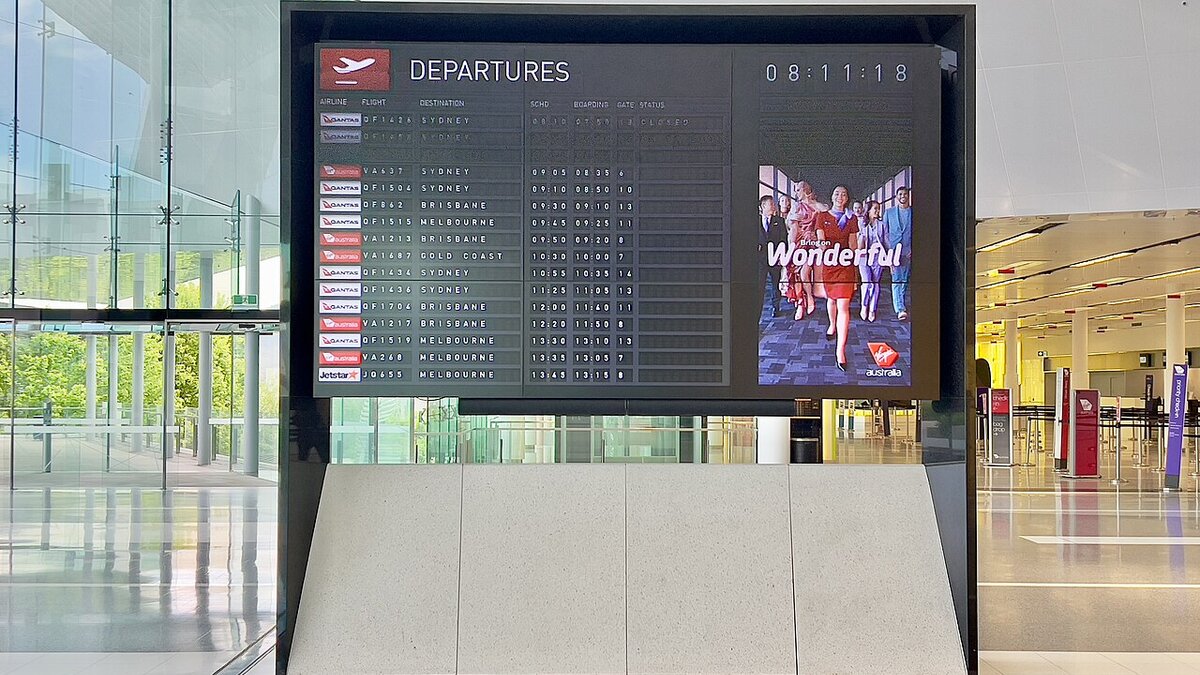
Cover image: Airport departures information board listing flights in a terminal — photo by Kgbo, CC BY-SA 4.0, via Wikimedia Commons.
The travel insurance vs flight insurance decision is usually made in seconds, at an airline or online travel agency checkout, when a pre-ticked box offers to "protect" the booking. The difference is simple: flight insurance covers only the airfare — reimbursing a non-refundable ticket if you cancel for a covered reason — while travel insurance covers the entire trip: all prepaid costs, plus emergency medical treatment and medical evacuation abroad, the one risk that can genuinely bankrupt a traveller. The verdict, in brief: skip the checkbox on most simple fares, and buy a comprehensive policy for international trips, cruises and large prepaid packages.
What does flight insurance actually cover?
Flight insurance is a narrow policy tied to a single ticket. According to NerdWallet, it typically reimburses non-refundable airfare if you cancel for a covered reason (illness, a death in the family), pays limited trip-delay expenses, and offers modest baggage cover — often with low caps. Crucially, NerdWallet notes the same exclusions that sink most claims elsewhere: cancelling because you changed your mind is not covered, and medical evacuation is explicitly excluded.
Pricing is not always trivial either. In NerdWallet's worked example, United's checkout add-on cost US$56.30 to insure an $835.25 fare — roughly 7% of the ticket price. Paying whole-trip rates to protect only the airfare is a poor trade.
What does travel insurance cover that flight insurance doesn't?
A comprehensive policy extends trip cancellation and interruption cover to every prepaid, non-refundable cost — hotels, tours, cruise fare, rail — not just the flight. Per the US Travel Insurance Association, cited by Experian, comprehensive cover typically runs 4% to 8% of prepaid trip costs.
The decisive difference is medical. Most domestic health plans pay little or nothing abroad, and the cost of getting a sick traveller home is brutal: NerdWallet reports an average of about US$40,000 for an emergency helicopter ride alone (per medical transport firm Flying Angels), which is why evacuation benefits on travel policies typically start at US$100,000 and run to $1 million or more. No checkout checkbox touches this risk. For a full breakdown of policy types, see our guide to what travel insurance actually covers.
Flight insurance vs travel insurance at a glance
| Coverage area | Flight insurance | Travel insurance |
|---|---|---|
| Airfare cancellation (covered reasons) | Yes | Yes |
| Hotels, tours, cruise fare | No | Yes |
| Emergency medical treatment abroad | No | Yes |
| Medical evacuation | No | Yes — typically US$100,000+ |
| Baggage loss | Sometimes, low limits | Yes, higher limits |
| Typical cost | Flat fee or % of fare (US$56 on an $835 United ticket) | 4–8% of total prepaid trip cost |
What are you already owed for free?
Much of what flight insurance sells is duplicated by law. In the United States, Department of Transportation rules in force since October 2024 require automatic cash refunds — even on non-refundable tickets — when an airline cancels or significantly changes a flight (three hours or more domestically, six internationally) and you decline the alternative. Refunds are due within seven business days for card purchases.
On flights departing the EU (or arriving on an EU carrier), Regulation EU261 goes further: €250 to €600 in cash compensation for arrival delays of three hours or more or short-notice cancellations, plus a duty of care — meals, refreshments and hotel accommodation during the disruption. We cover the mechanics in our guides to flight delay compensation rights and refunds when strikes cancel your flight. Many premium credit cards layer their own trip-delay and cancellation cover on top, though NerdWallet notes card limits are usually lower than standalone policies.
Which one should you buy?
Skip flight insurance for most trips. On a simple domestic fare, the airline already owes you a cash refund if it cancels, your card may cover delays, and the add-on's price often rivals full travel insurance as a percentage of spend.
Buy comprehensive travel insurance when the stakes rise: any international trip where your health plan stops at the border, cruises, and holidays with thousands in non-refundable bookings. At 4–8% of trip cost, it is the only product on this list that stands between you and a six-figure evacuation bill.
The exception where neither applies: if the airline denies you boarding on an oversold flight, that is compensation territory, not insurance — see our guide to denied-boarding rights.
Frequently asked questions
Is flight insurance worth it?
Rarely. It protects only the airfare, excludes medical evacuation, and can cost a similar percentage of the fare as comprehensive cover costs on a whole trip — NerdWallet found United charging $56.30 on an $835 ticket. If the airline cancels, US DOT rules already require a cash refund. It only makes narrow sense for an expensive non-refundable fare with no other trip costs and no card cover.
Does travel insurance cover flight cancellations?
Yes. Comprehensive trip-cancellation cover reimburses non-refundable airfare — alongside hotels, tours and cruise fare — if you cancel for a covered reason such as illness or a family emergency. The airline itself owes you a refund when it cancels the flight; insurance matters most when you cannot travel, or when a disruption cascades into missed hotels and tours.
Do credit cards already cover this?
Often, partly. Many premium travel cards include trip cancellation, interruption, delay and baggage cover when you pay for the trip on the card, which duplicates most of what a checkout flight-insurance box sells. Limits are usually lower than standalone policies, and card cover rarely includes meaningful emergency medical or evacuation benefits abroad, so it does not replace travel insurance on international trips.
How much does travel insurance cost compared with flight insurance?
Comprehensive travel insurance typically costs 4% to 8% of your prepaid trip cost, according to the US Travel Insurance Association. Flight insurance is priced per ticket, either a flat fee or a percentage of the fare, and can reach a similar share of the airfare — meaning you sometimes pay whole-trip rates to protect a single flight.






Post a comment